Age Old Techniques
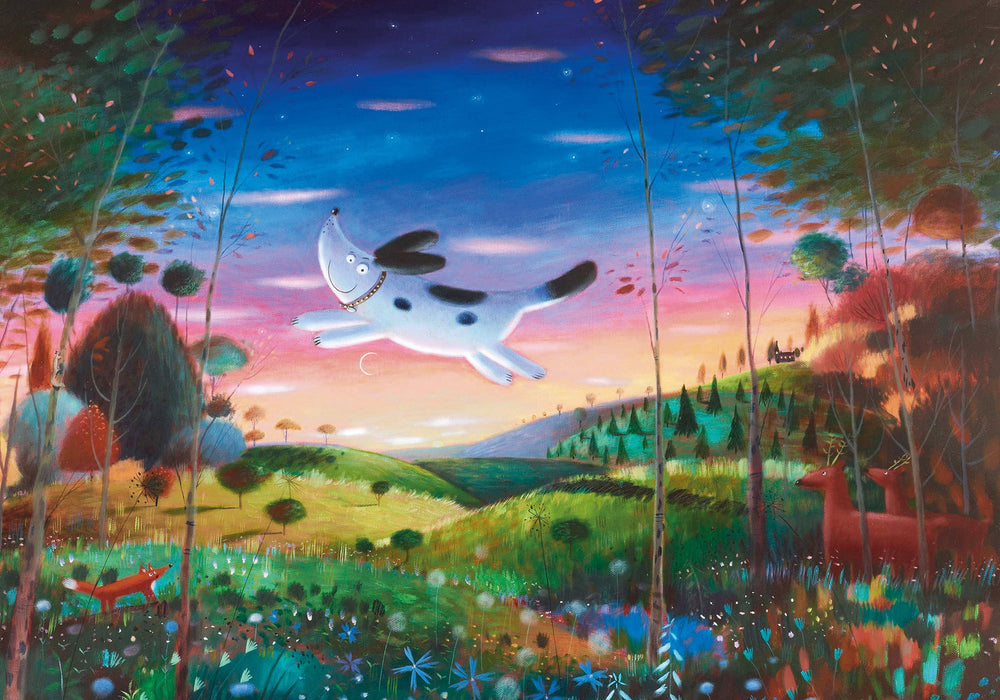
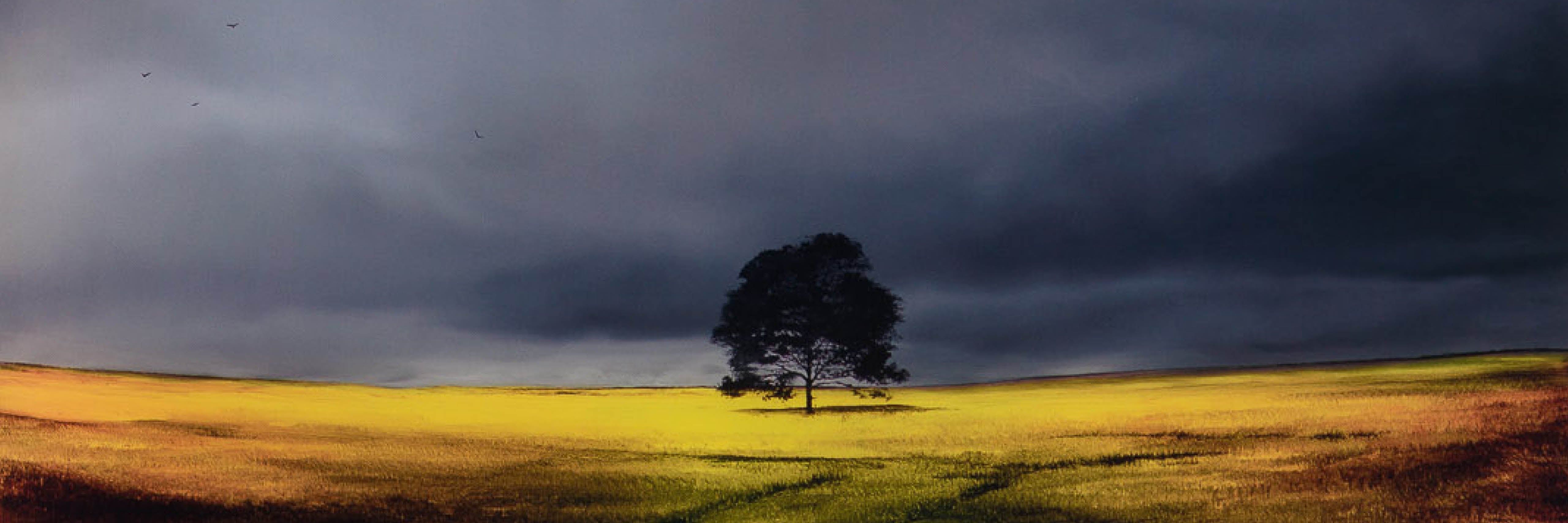
For centuries, artists have used colour theory to create life and dimension in their art. In brief, colour theory is the study of how colours interact with one another on the colour wheel and are therefore perceived. Without it, portraits would be lifeless, and landscapes would be flat. Many of the old masters carefully used colour to capture light and atmosphere in their work, often deviating from traditional practices to establish their own pioneering techniques. Inspired by the palettes and principles of these artists, landscape artist Paul Corfield applies a similar use of colour theory, law of reflection and bounced light in his stunning new collection.
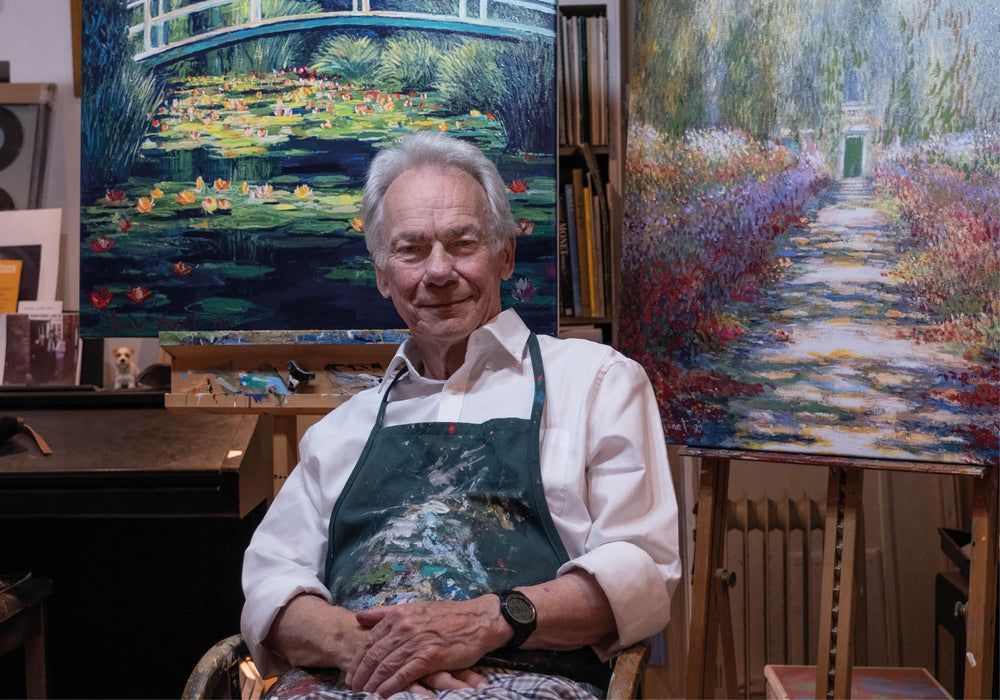
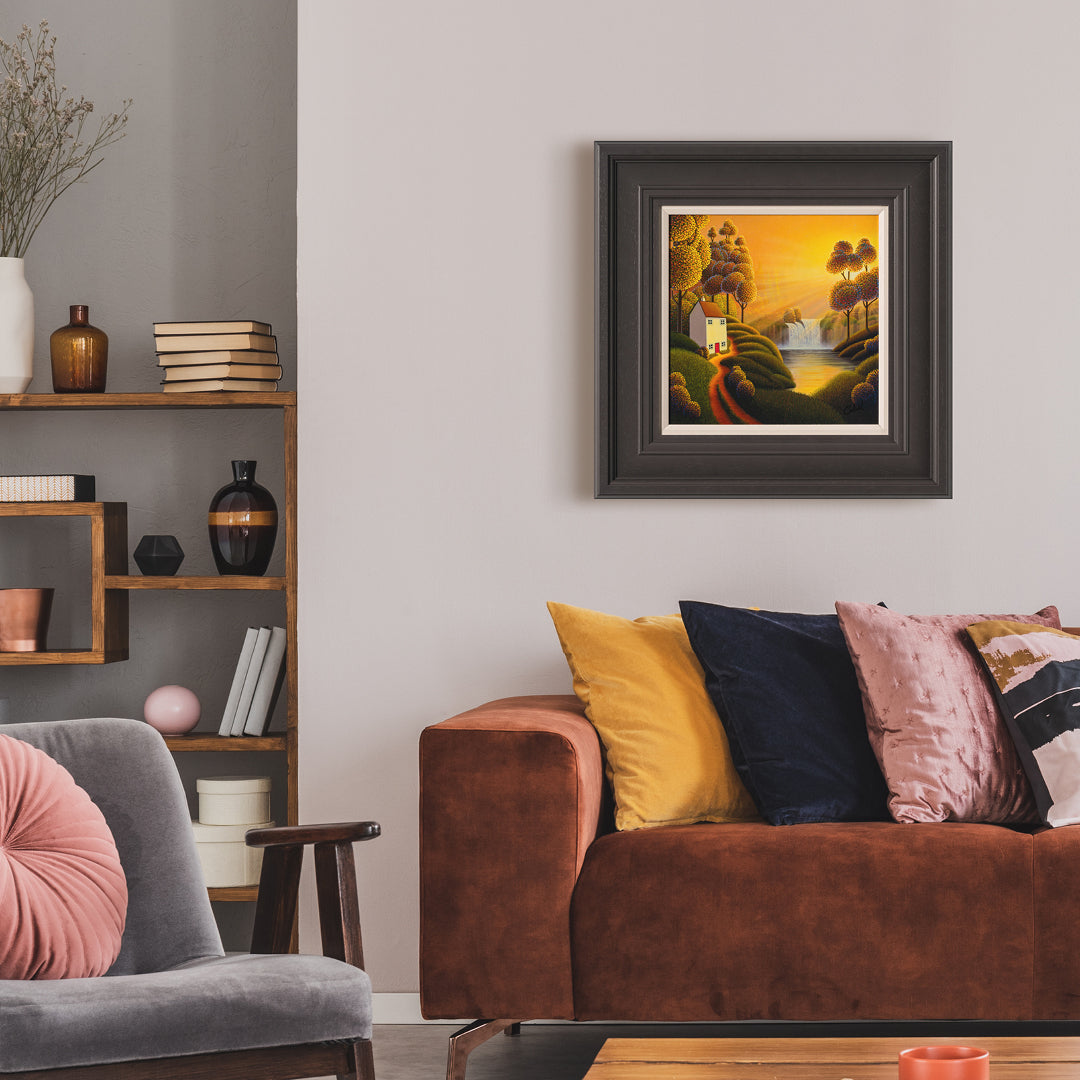
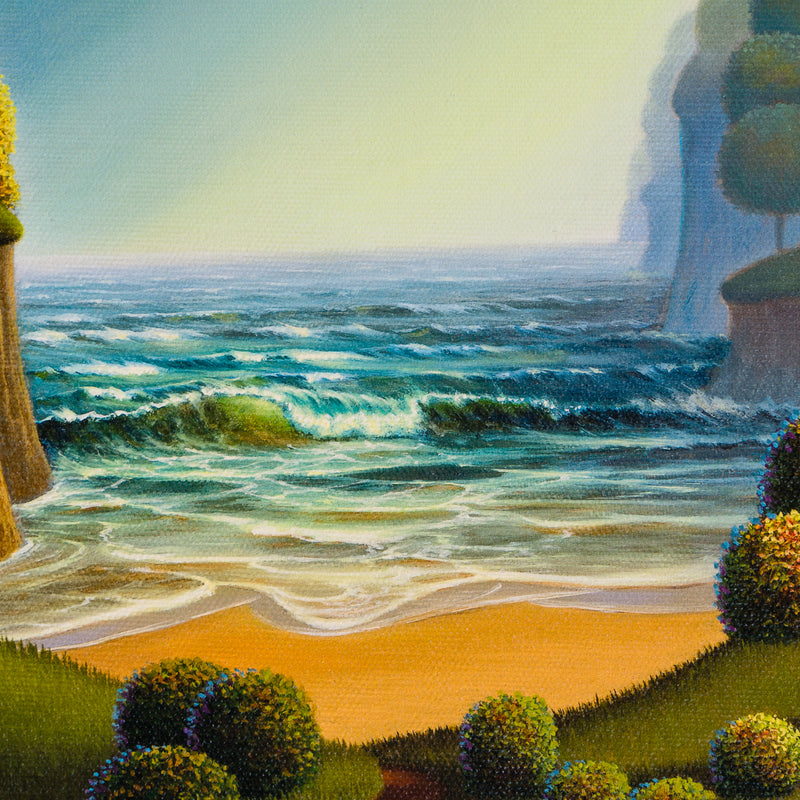
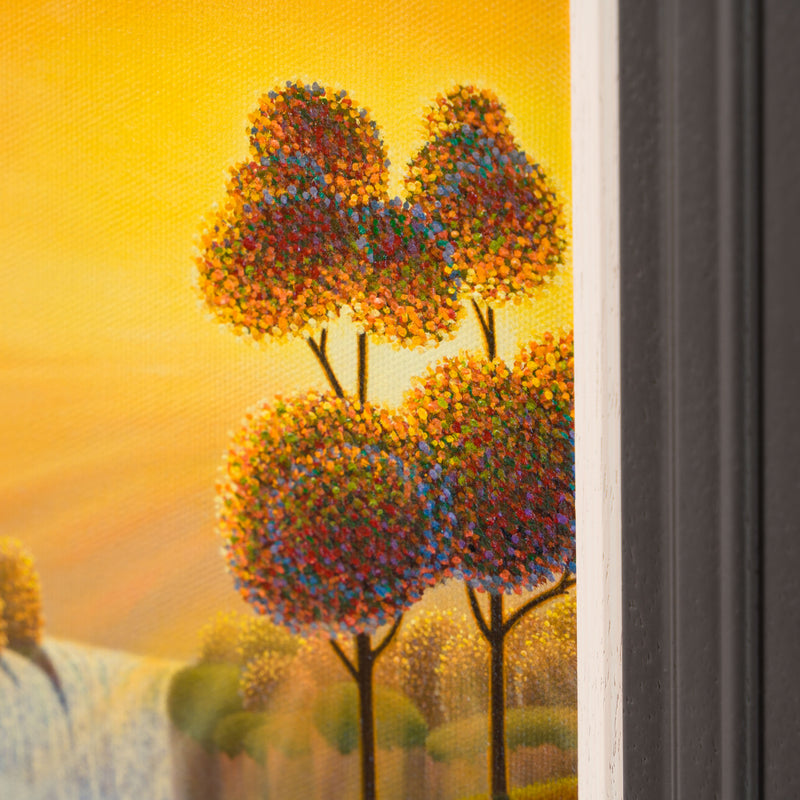
By adopting traditional techniques in a contemporary context, Corfield adds an extraordinary sense of realism to his work, transporting us into his idyllic scenes. His dramatic use of light and shadow – known as chiaroscuro – is inspired by the work of Rembrandt, as are the warmer tones seen throughout the collection. These are created using a technique called ‘grisaille’, which uses limited colours, usually grey or brown, to create the illusion of sculpture or three-dimensional form. This can be seen in Corfield’s inviting skies. The delicate pastel elements of Corfield’s collection are reminiscent of some of Monet’s most notable impressionist works. Like Monet, Corfield expertly uses colour to create light – whether it’s the sun’s rays bouncing off water or peeking out behind the clouds.
As with the artists that inspire him, Corfield’s profound knowledge and understanding of colour theory impacts the entire mood of his artwork. This collection sees Corfield depart from his usual surrealist palette, opting instead for mature muted tones. Despite the shift in palette, the collection remains quintessentially Corfield – welcoming us home with a beautiful warmth.
Featured Art: 'Oceans Embrace'. A hand-signed limited edition artwork by Paul Corfield, from his latest collection 'Spring 2025'.