

Castle Fine Art, 20 New Row, Covent Garden, London, WC2N 4LA
E: cgn@castlefineart.com
T: 0207 379 0397
Dates: June 02, 2026 - June 14, 2026
Opening Times: 10:00 - 17:00


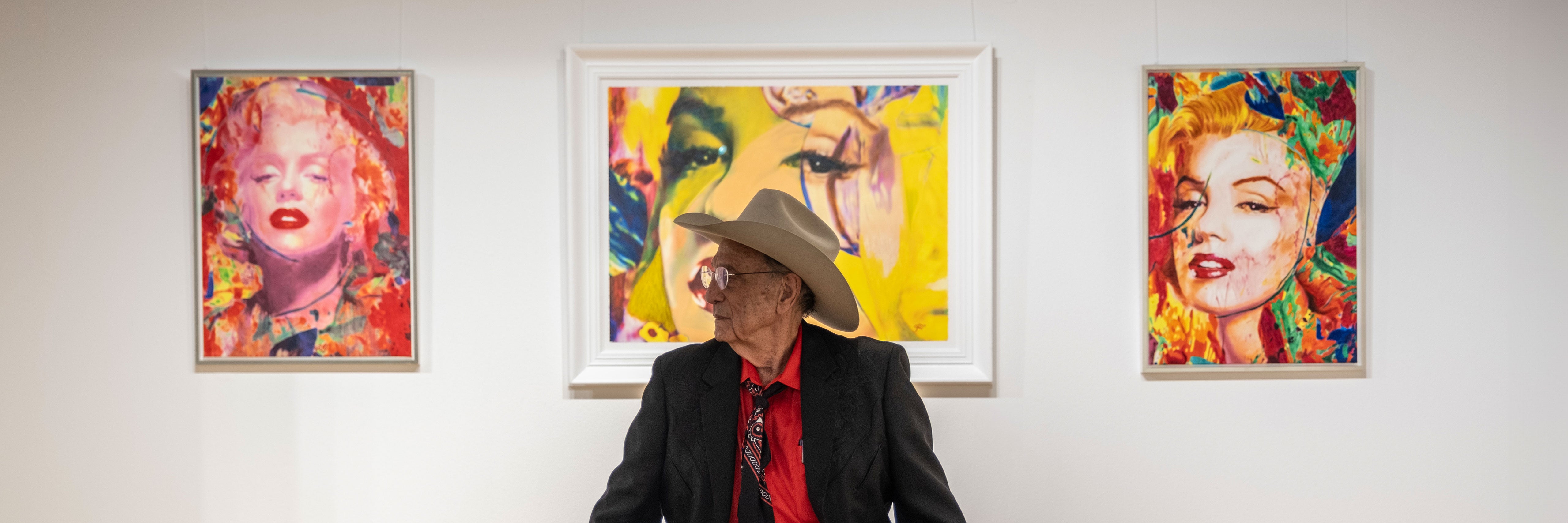
Marilyn Monroe: A Portrait — A Defining Moment for James Francis Gill
-
Featured collection

James Francis Gill | Limited Edition
James Francis Gill | Limited Edition


James Francis Gill | Limited Edition


James Francis Gill | Limited Edition


James Francis Gill | Limited Edition
James Francis Gill | Limited Edition
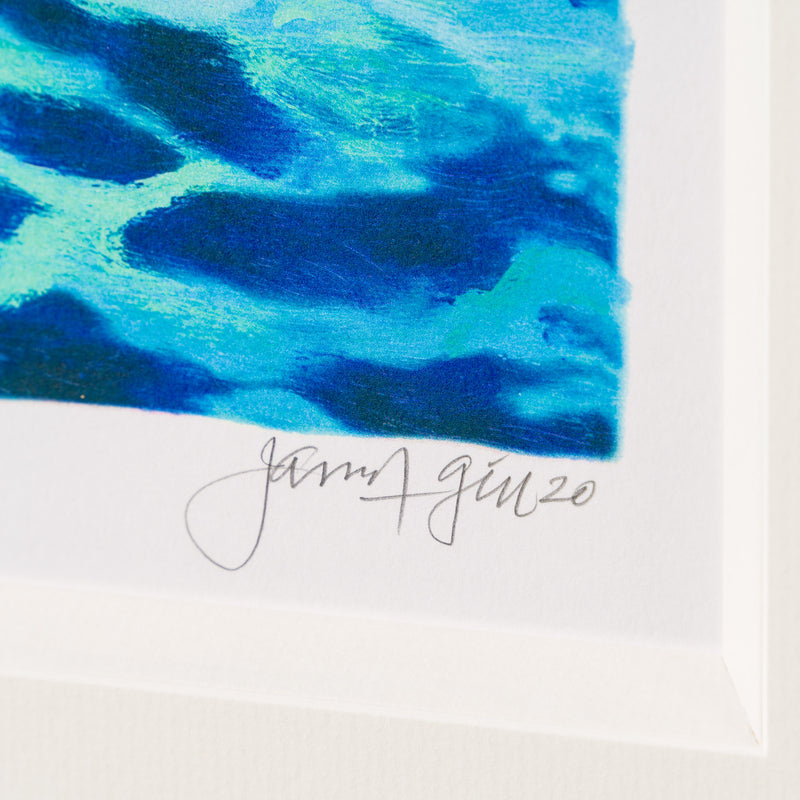
James Francis Gill | Limited Edition
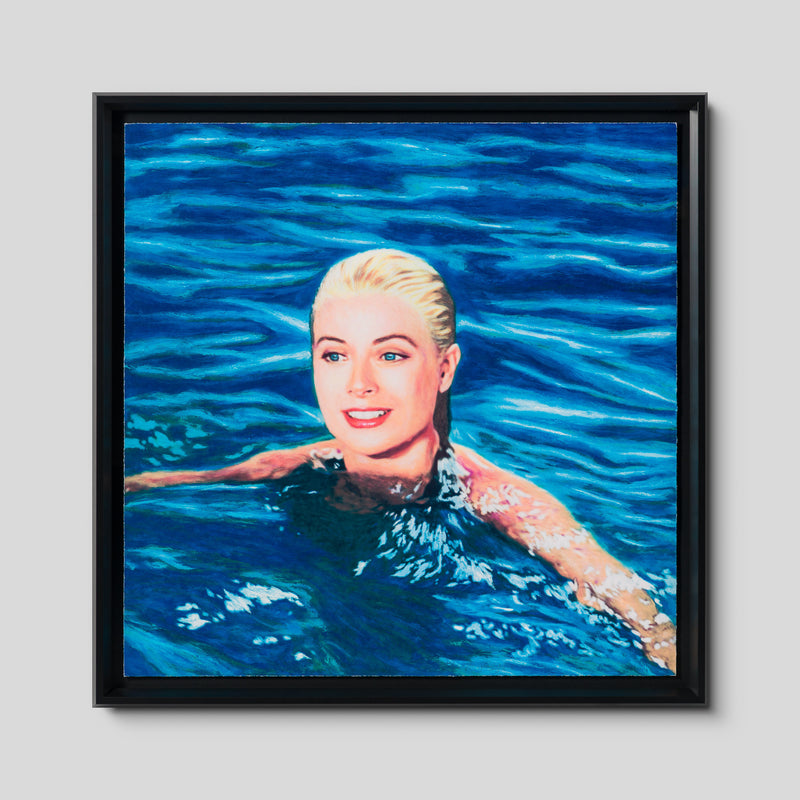
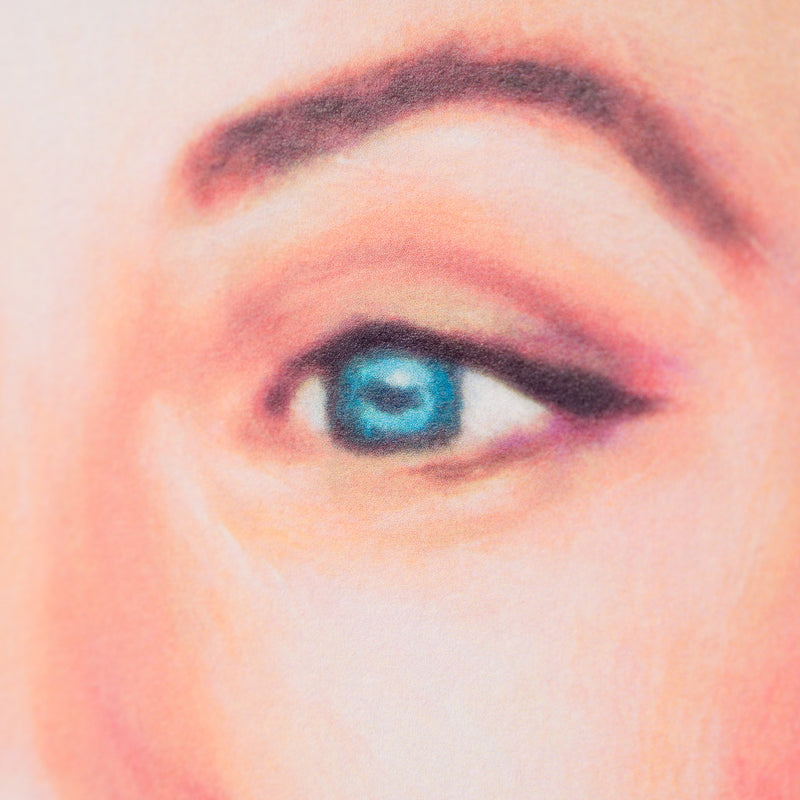
James Francis Gill | Limited Edition
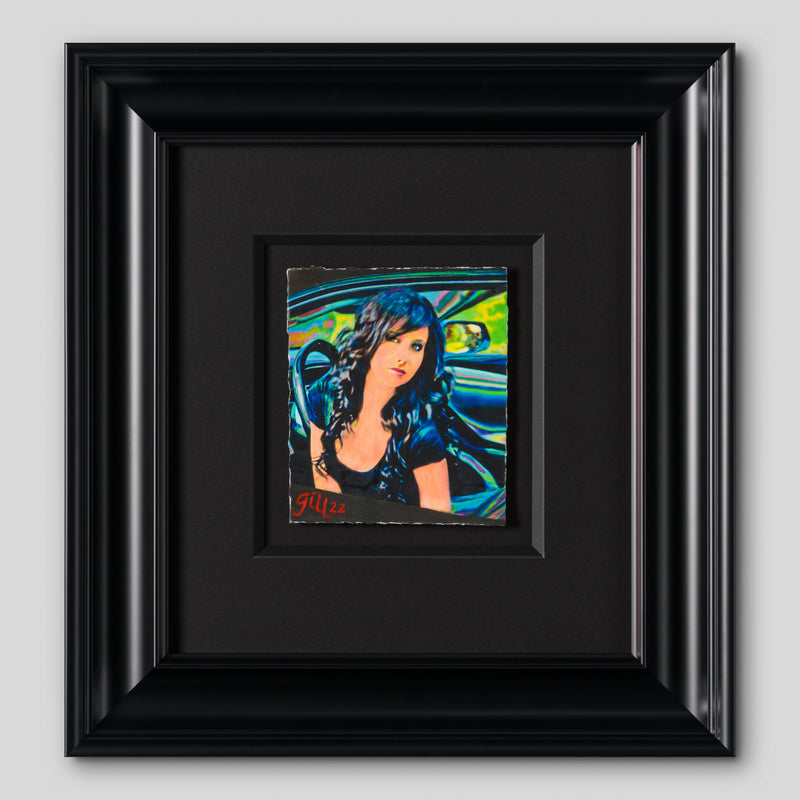
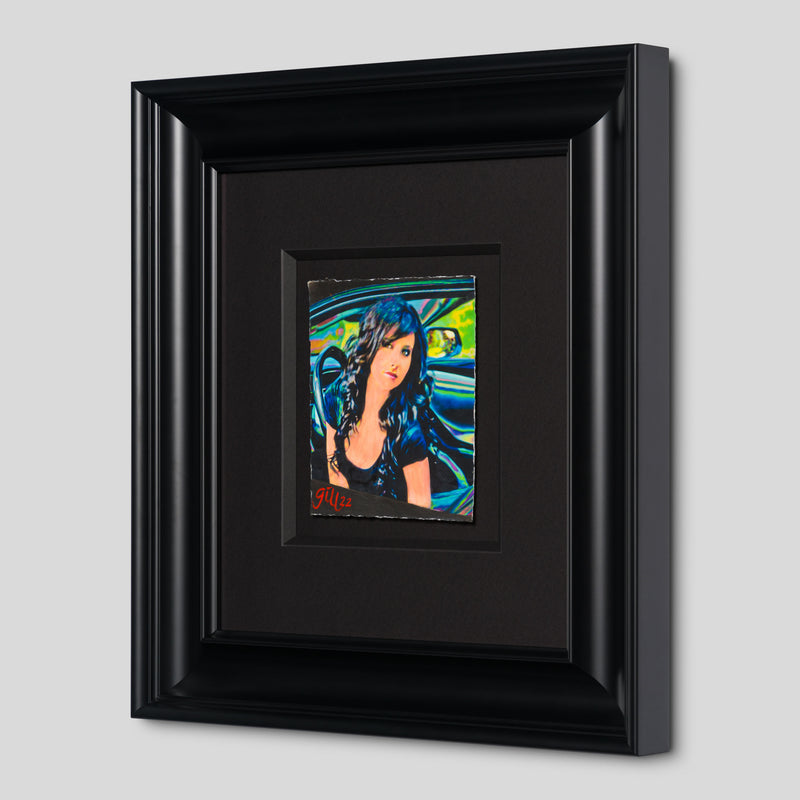
James Francis Gill | Original
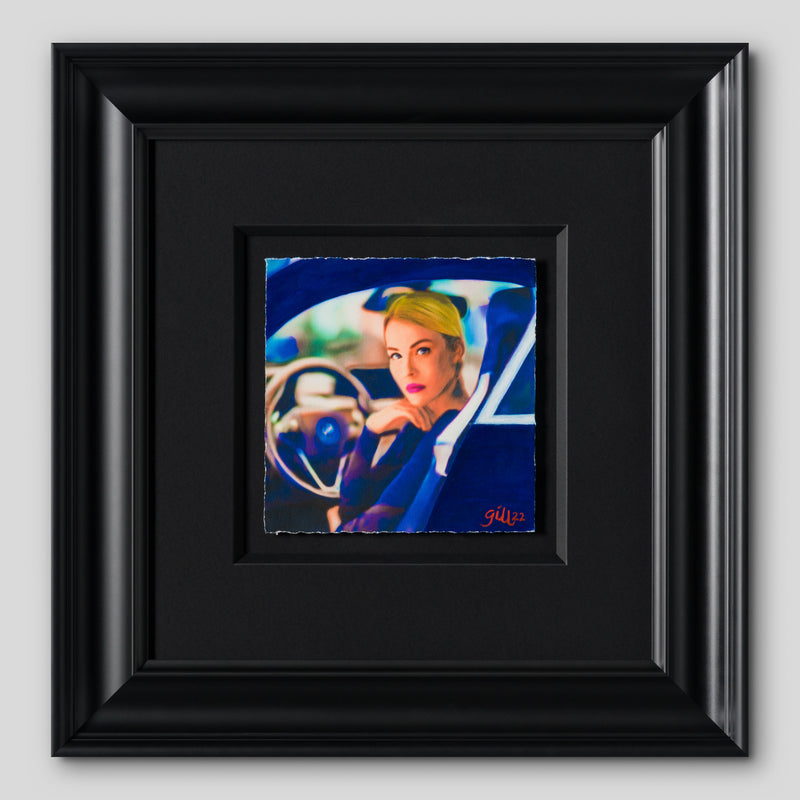

James Francis Gill | Original
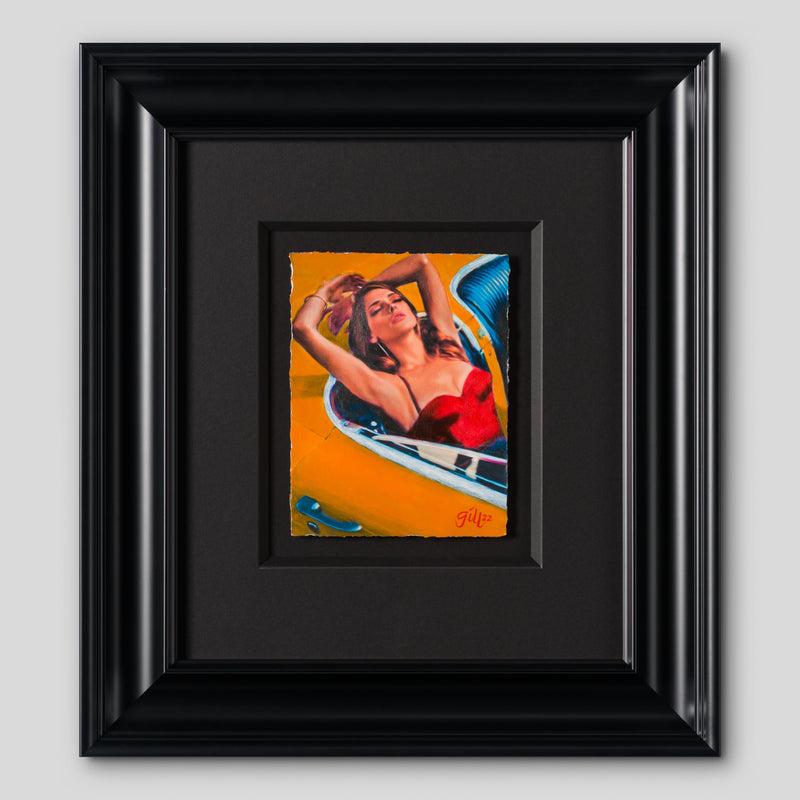
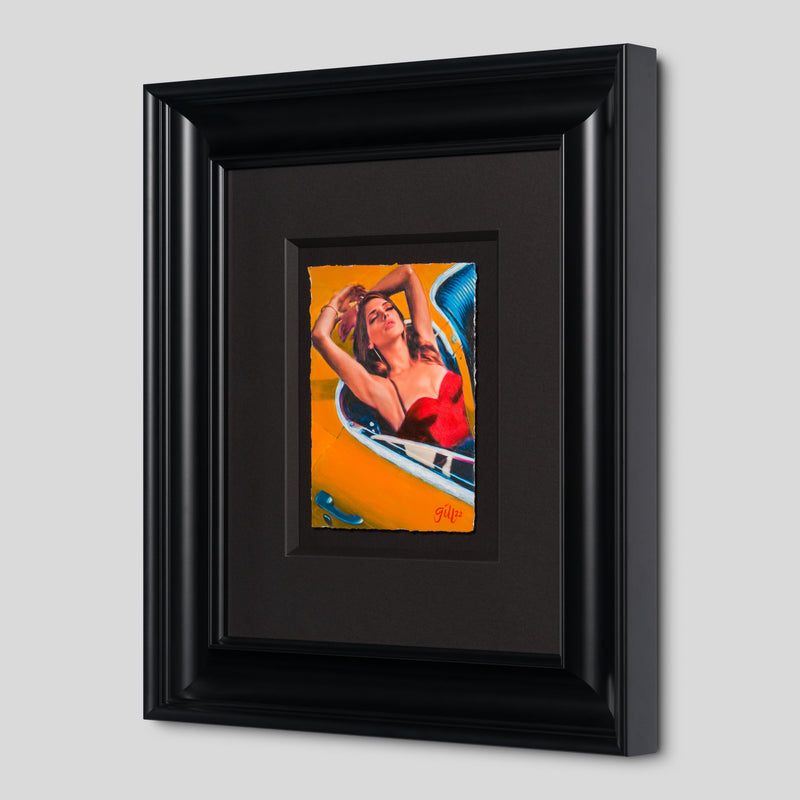
James Francis Gill | Original
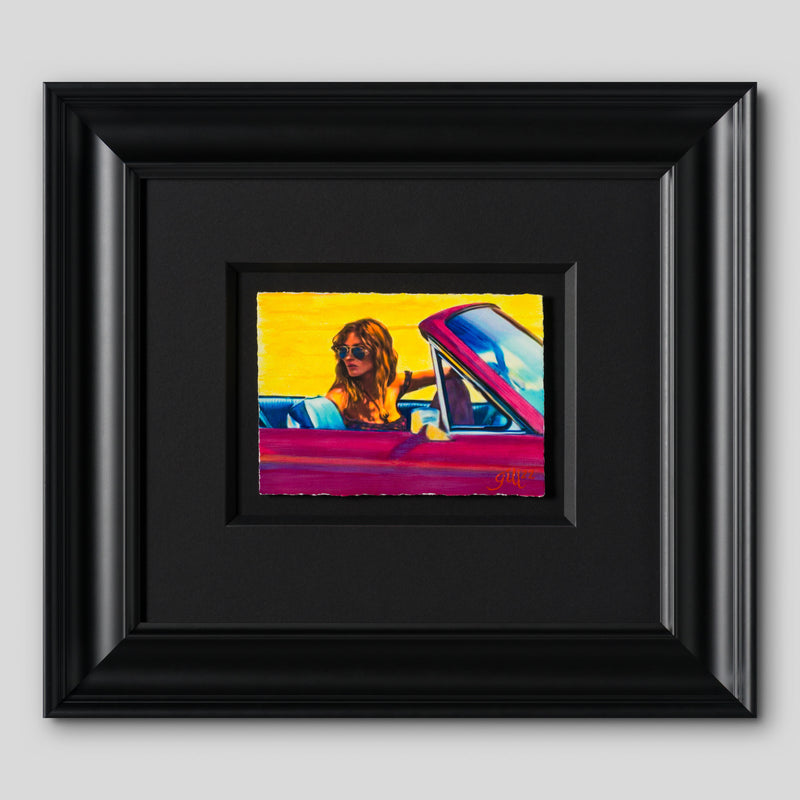
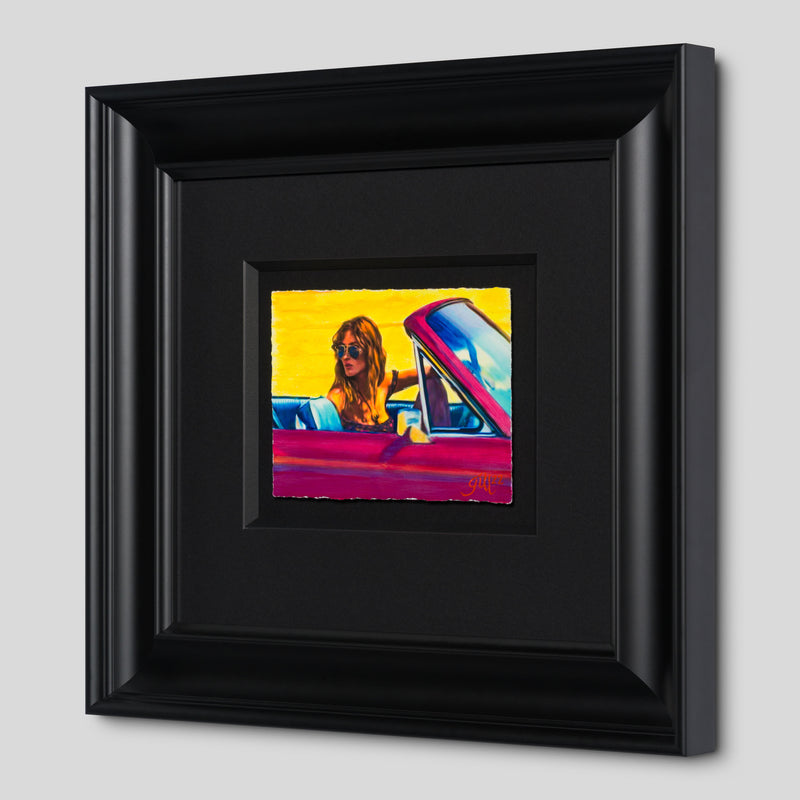
James Francis Gill | Original
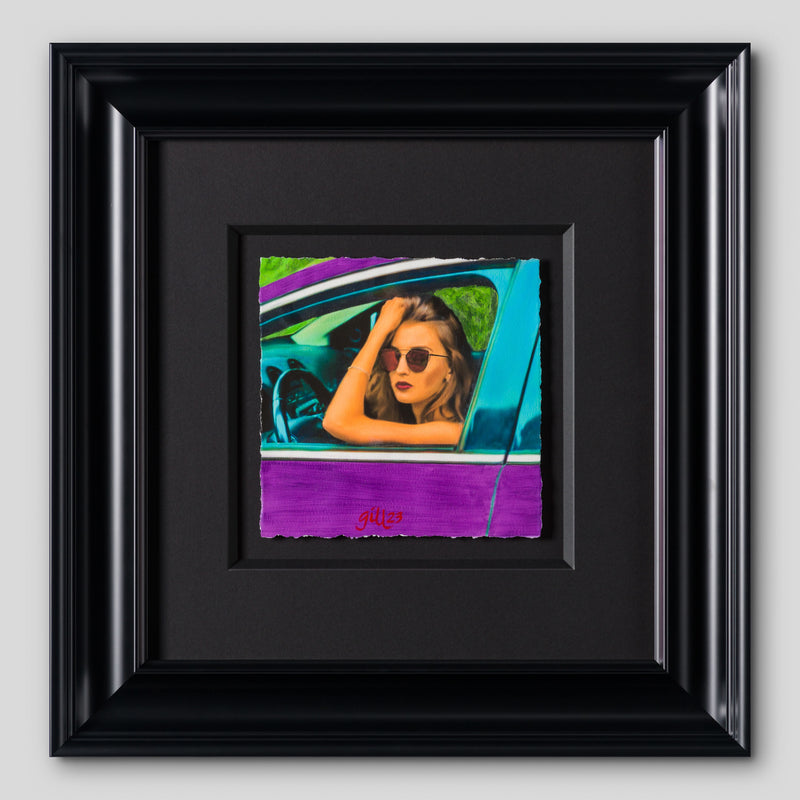
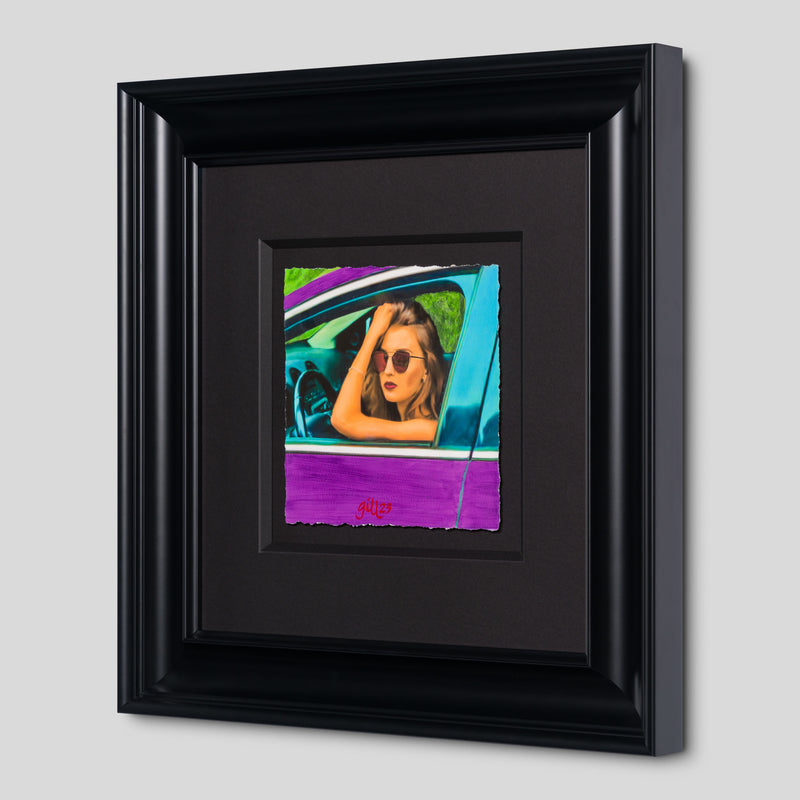
James Francis Gill | Original
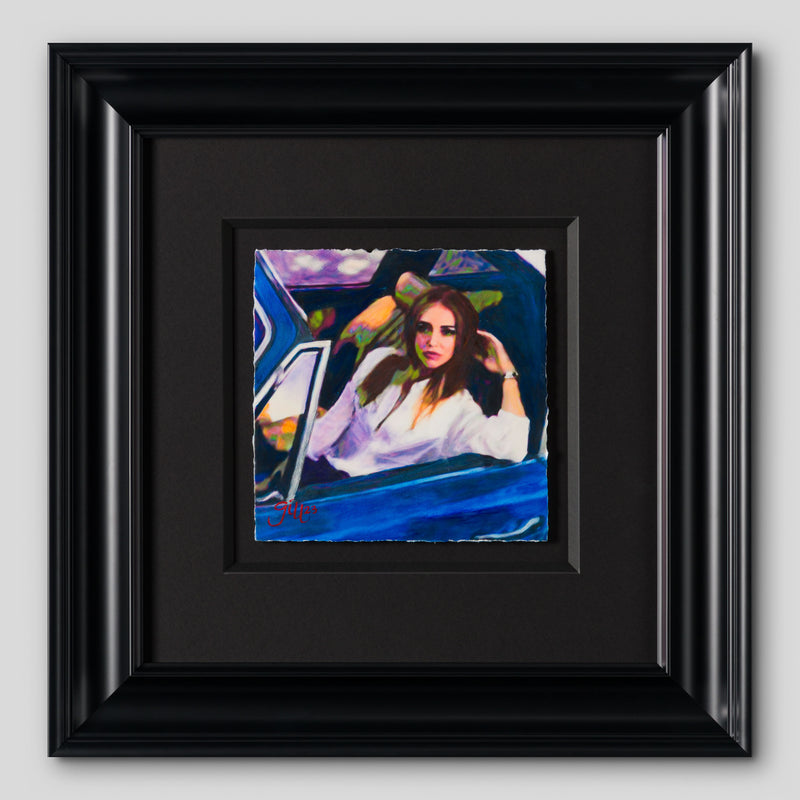
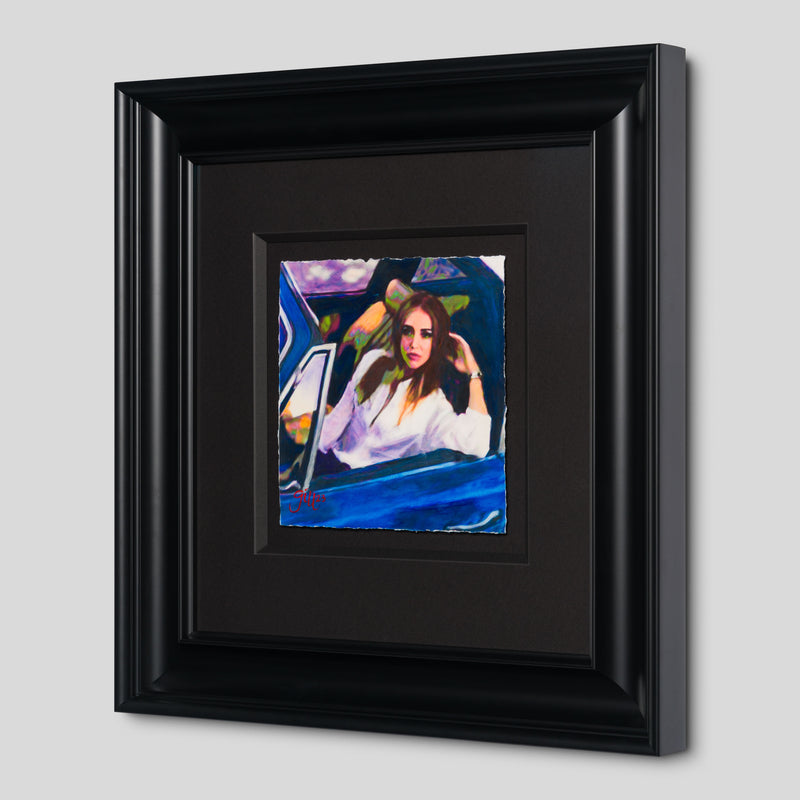
James Francis Gill | Original
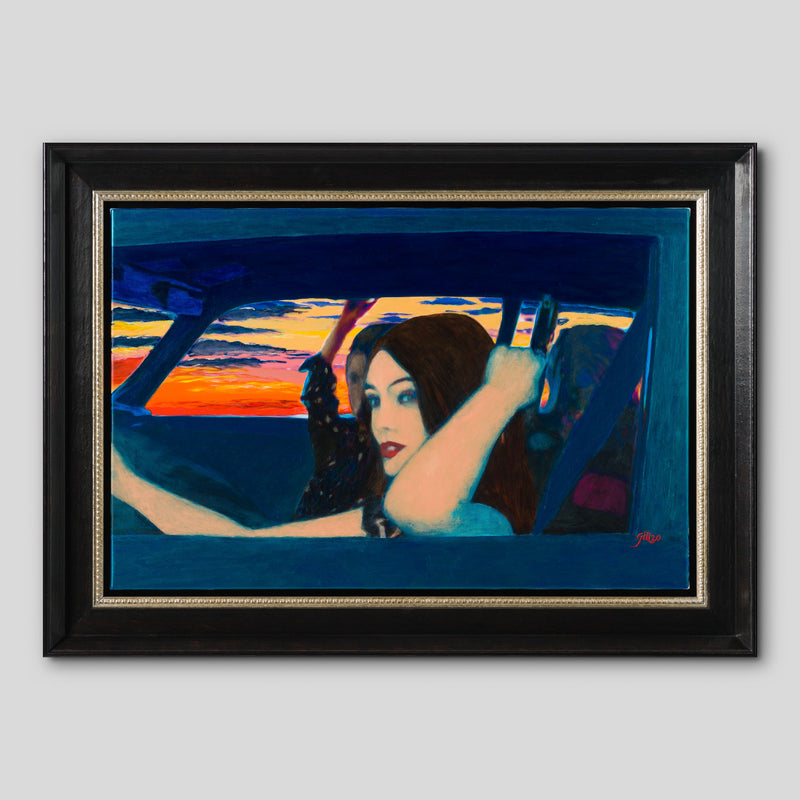
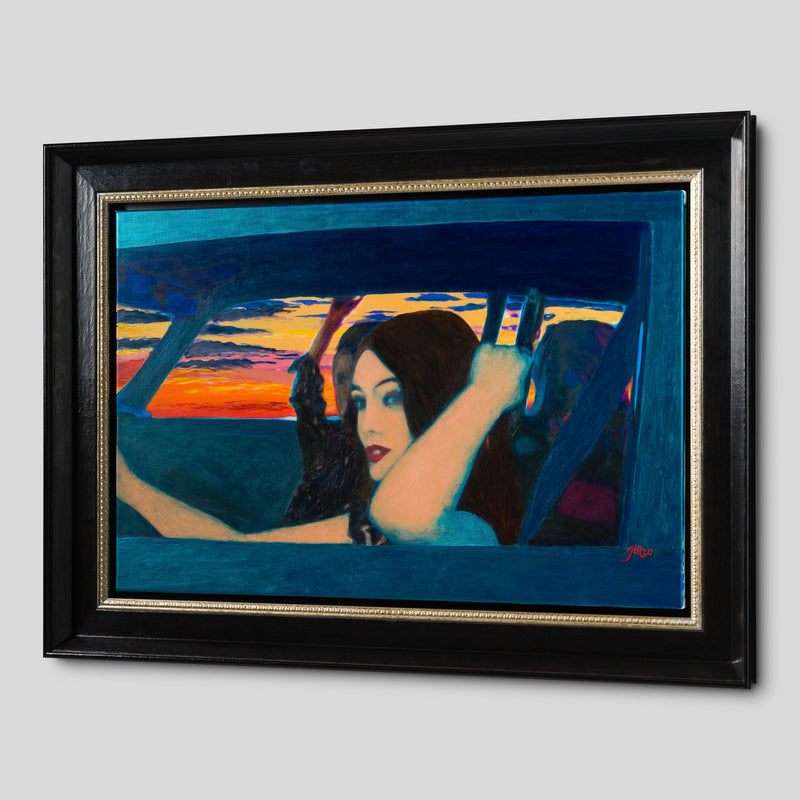
James Francis Gill | Original
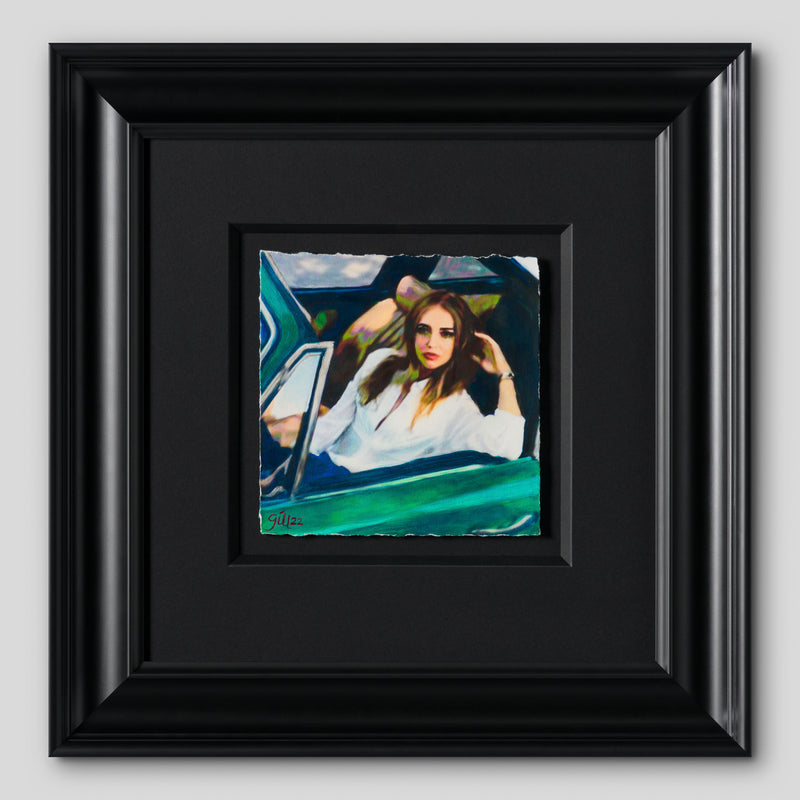
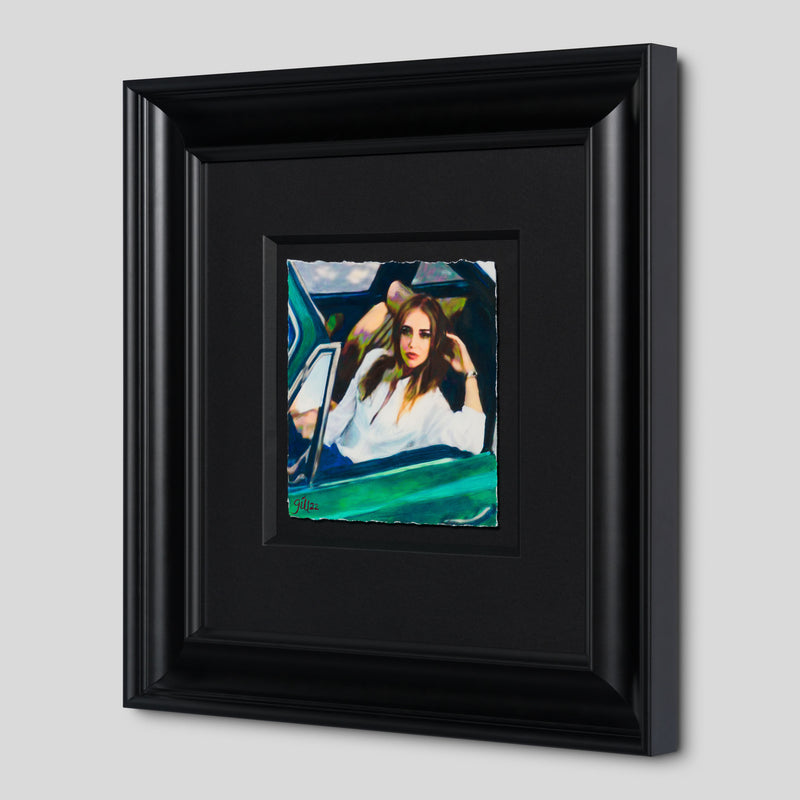
James Francis Gill | Original
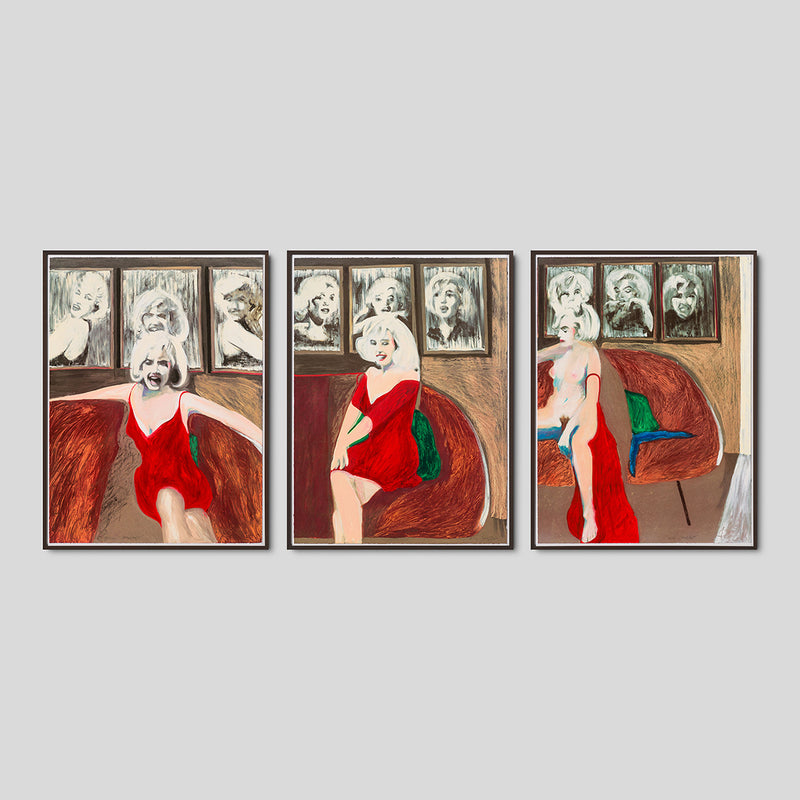
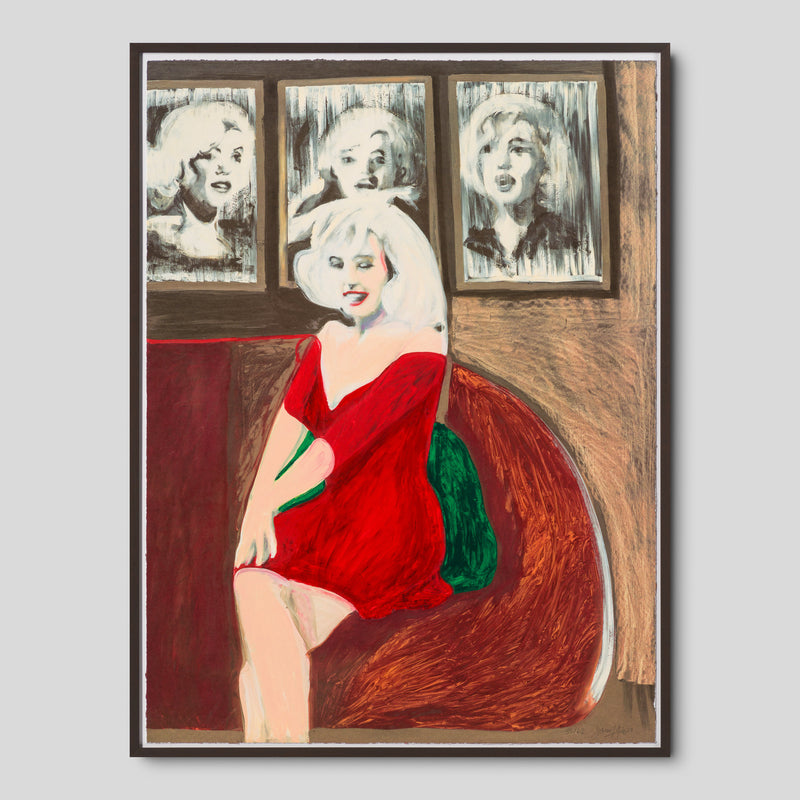
James Francis Gill | Limited Edition


James Francis Gill | Limited Edition

A Pioneer of American Pop Art
Bursting onto the art scene in the late 1950s and flourishing into the 1960s, Pop Art emerged as a spirited response to the introspection of Abstract Expressionism. Where the latter looked inward, Pop Art turned outward — to the gleaming surfaces of the decade. From advertising and comic books to Hollywood icons and mass media, Pop artists embraced the visual rhythm of consumer culture as its subject.
Among the most recognisable names of this defining era — Warhol, Lichtenstein, Indiana — James Francis Gill stands as both peer and pioneer. His arrival on the scene marked what would become a distinctive voice within the Pop Art movement: refined, expressive, and deeply human.

THE PIONEERING SPIRIT
In the early 1960s, the young artist from Texas arrived in Los Angeles carrying little more than ambition and a handful of paintings. Within weeks, Felix Landau, one of America’s most distinguished gallerists, recognised his remarkable talent. Landau had introduced artists such as Francis Bacon and David Hockney to the U.S. art market and his decision to represent Gill placed the young painter squarely within Pop Art’s emerging vanguard.
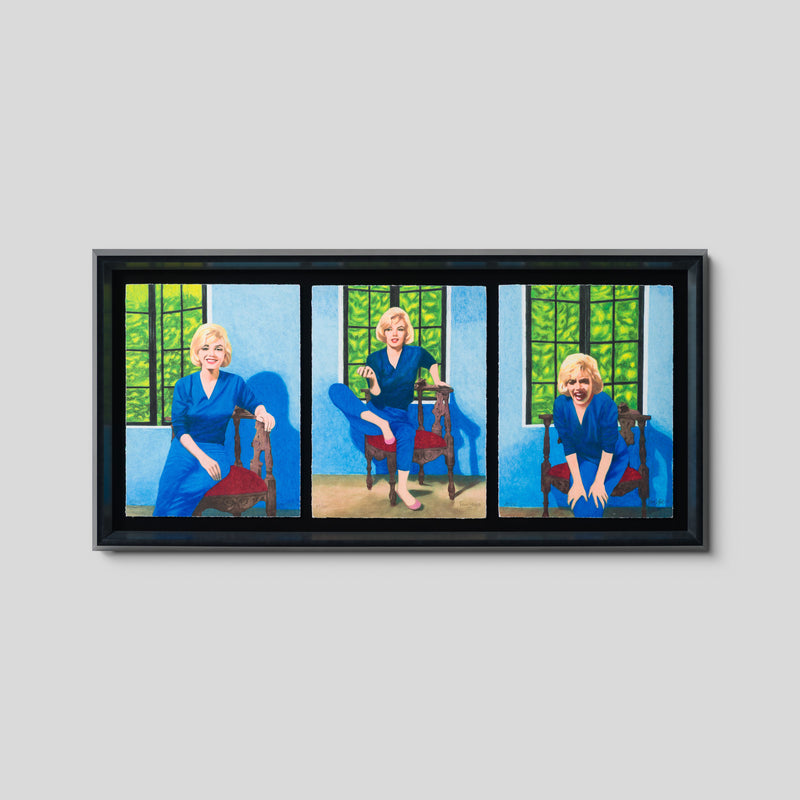
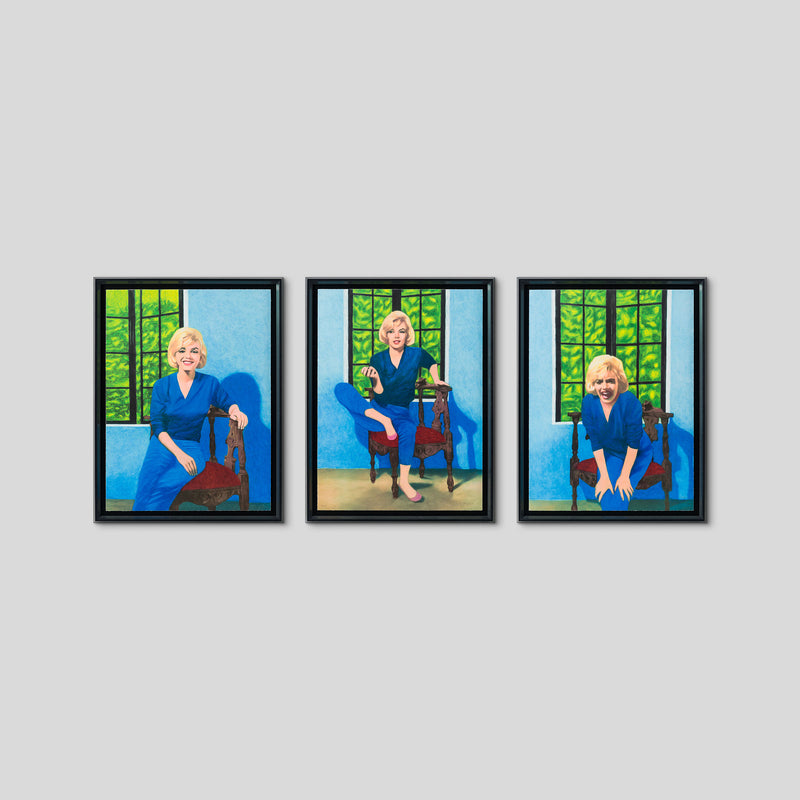
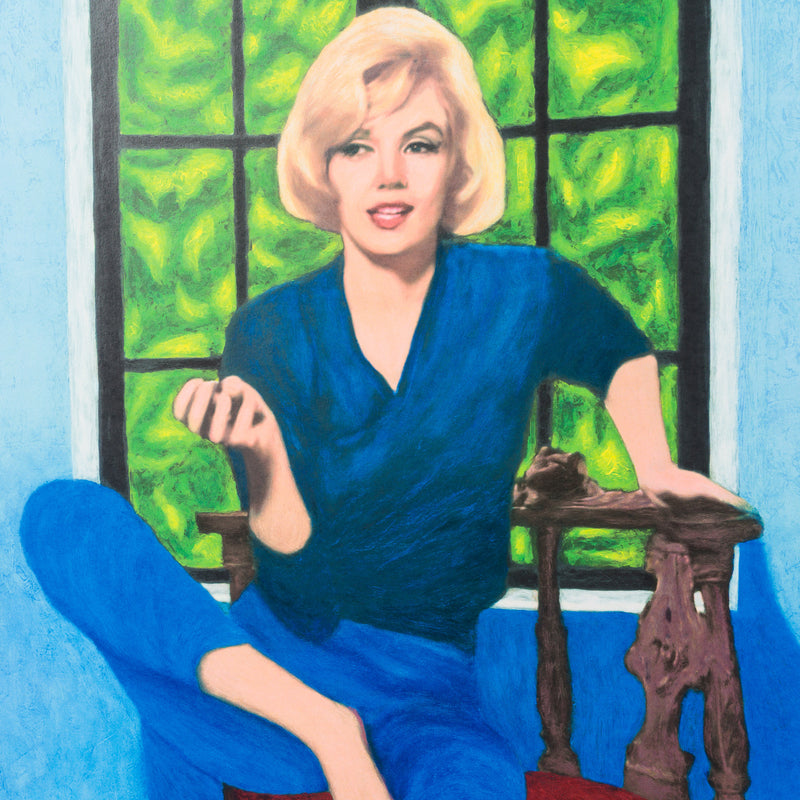
Soon after, in 1962 Gill painted his defining masterpiece, ‘The Marilyn Triptych’ — a luminous, psychologically charged portrayal of fame and fragility. Completed just weeks after Monroe’s death, it captured the glamour and allure of an icon while revealing the vulnerability beneath. The Museum of Modern Art, New York, swiftly acquired the work for its permanent collection, an honour few living artists ever achieve.

The Marilyn Triptych
The artwork was presented to the museum by John and Dominique de Menil, two of the most discerning art collectors of the time, who had assembled one of the 20th century's most significant private art collections.
The Marilyn Triptych’s later inclusion in Life magazine’s 1963 feature on Monroe cemented Gill’s role in shaping one of the 20th century’s most enduring images. He soon went on to be commissioned to paint the covers of famous titles such as TIME magazine and capture public figures, John Wayne and Alexander Solzhenitsyn.

A DISTINCTIVE EYE
Gill first drew inspiration from magazines and photography, channelling the bold graphics and restless energy of the 1960s into portraits that still feel strikingly fresh today. His canvases balance expressive brushwork with vivid blocks of colour, transforming celebrity and cultural commentary into painterly reflections on identity and emotion.
From 1965, Gill taught at universities including the University of Idaho and the University of California before being offered a visiting professorship at the University of Oregon. His work in these years often featured social and political affairs such as the Vietnam War. He created a series of anti-war paintings which dealt with civil and military leaders. The combination of his expressionist art and his graphite pencil went against the trend of the time. In Gill’s arsenal of work from this time, we see what would later become the emerging styles of the household names of Fine Art, such as Gerhard Richter.

His recognition as an artist today has not only been based on his iconic portraits of famous personalities, but to a large extent on the stylistic variety of his works.
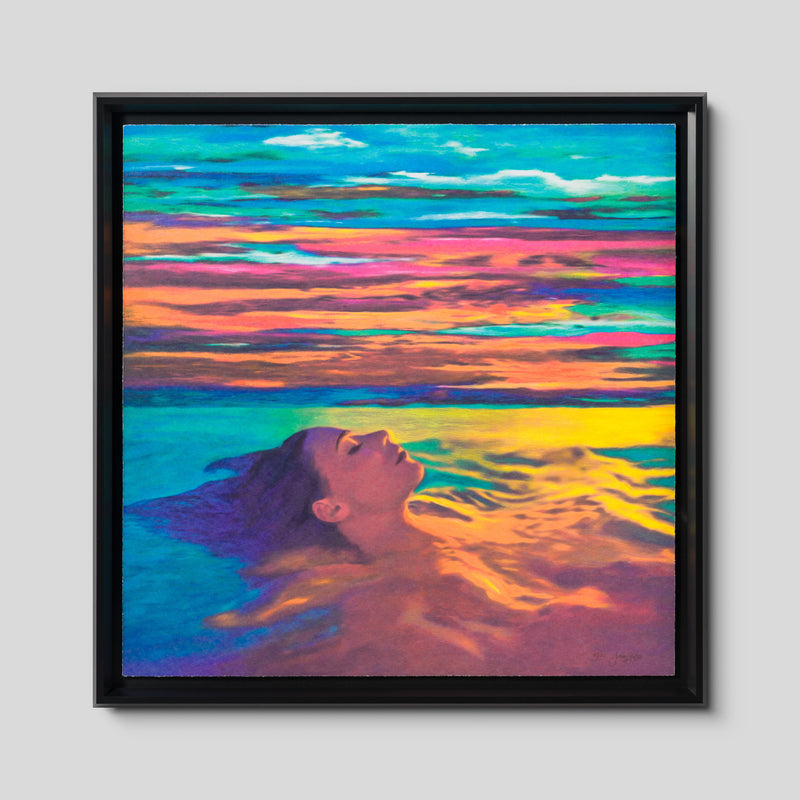
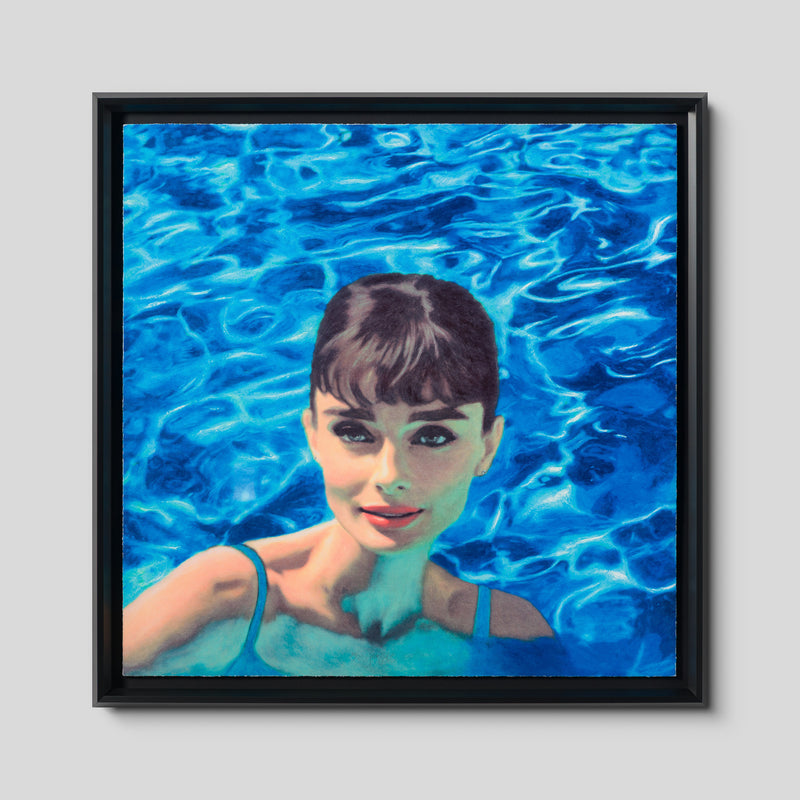
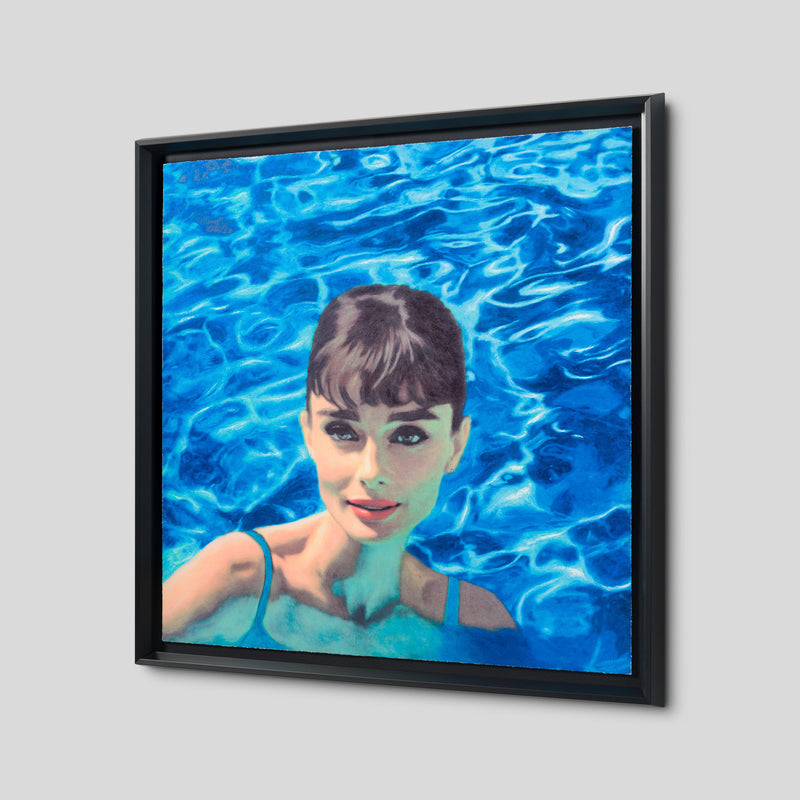
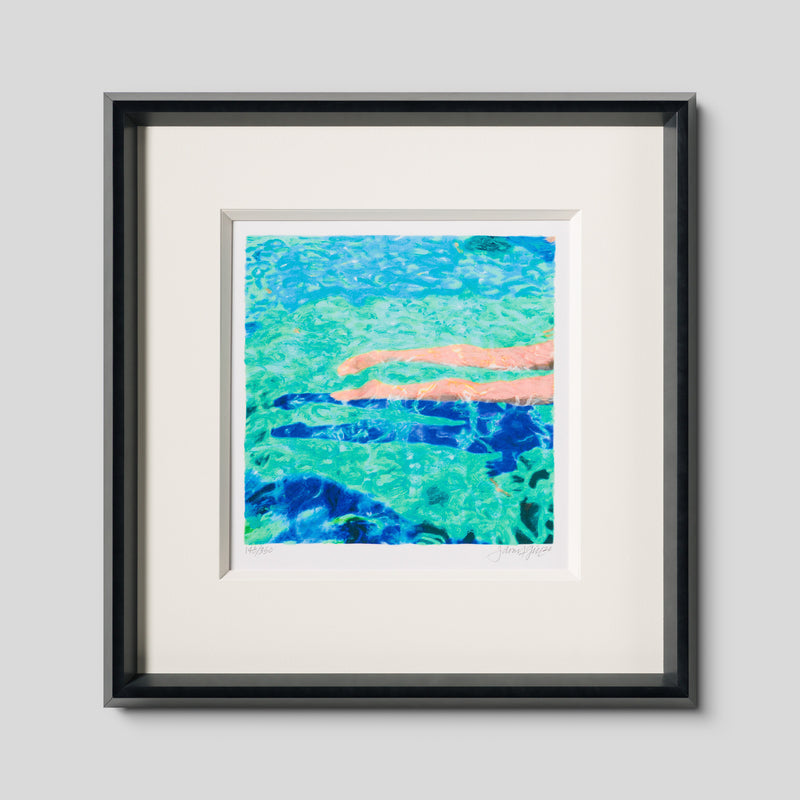
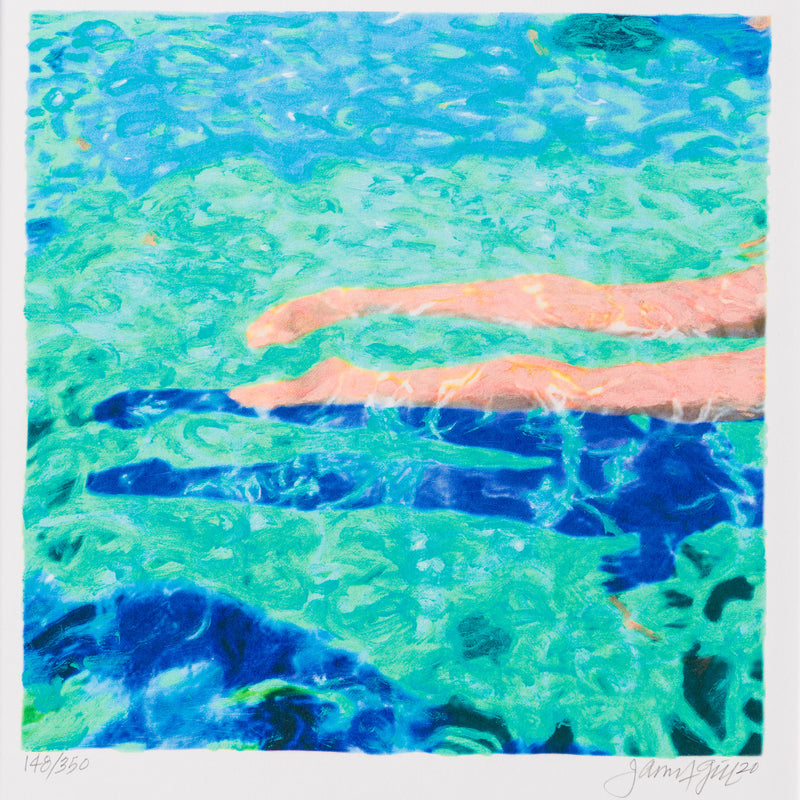
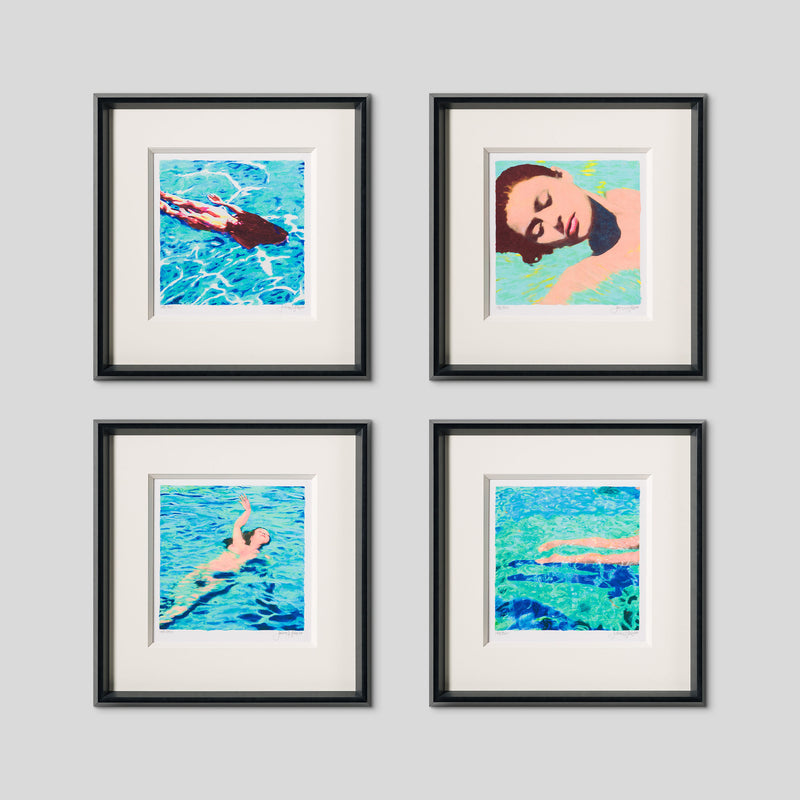
In his celebrated Women in Cars series, Gill distils the sleek modernity of mid-century America into scenes of cinematic poise. Later, his Women in Water works offer a more introspective vision — a study of beauty, reflection, and transience where the fluid surface of water becomes both mirror and metaphor: a projection screen for desire, illusion, and allure, much like Pop Art itself.

RECOGNITION AND REVERENCE
By 1967, Gill’s reputation had already travelled far beyond the United States. Selected to represent the nation at the 9th São Paulo Biennale, he exhibited alongside his peers of the time Warhol, Lichtenstein, Oldenburg and Hopper — a moment that firmly positioned him among the leading voices of 1st generation Pop Artists.
His ascent was matched by remarkable institutional recognition. Gill’s work entered the permanent collections of some of the world’s most respected museums, including The Museum of Modern Art, New York; The Whitney Museum of American Art, New York; The Smithsonian American Art Museum and National Portrait Gallery, Washington D.C.; The mumok / Stiftung Ludwig, Vienna; The Art Institute of Chicago; The San Angelo Museum of Fine Arts, Texas. At MoMA, his drawings 'Laughing Woman in Car' and 'Close-Up' were exhibited between works by Picasso and Redon — a striking endorsement of his place within the broader canon of modern art.
Following a period of deliberate withdrawal, Gill’s re-emergence was celebrated with scholarly and curatorial enthusiasm.
His inclusion in David McCarthy’s Pop Art (Tate Gallery, 2000) marked a pivotal moment of reassessment, culminating in a landmark retrospective in 2005 at the San Angelo Museum of Fine Arts in his hometown of San Angelo, Texas. This exhibition celebrated not only the breadth of his practice, but the enduring clarity of his vision — reaffirming his position as a foundational figure within Pop Art’s history. That momentum continues to build.
In 2024, Gill achieved a significant European milestone with the presentation of ten major works to the permanent collection of the Staatsgalerie Stuttgart, entrusted to Professor Dr. Christiane Lange — a powerful acknowledgement of his lasting international importance.
Most recently, in 2026 his work has been featured at the National Portrait Gallery, London, in the exhibition Marilyn Monroe: A Portrait. Here, Gill’s interpretation of Monroe, on loan from MoMA and the largest original work within the exhibition, sits within a global cultural narrative, underscoring his vital role in shaping one of the most enduring and compelling images of the late star.
THE ARTIST TODAY
At the height of his success, Gill made an unexpected choice. In 1972, he withdrew from the public art world to paint privately, away from the noise of fame and the growing pressure of the celebrity art scene. Yet even in his absence, his influence endured. His works in MoMA and the Whitney continued to inspire new generations, and in 1997, his rediscovery by the Smithsonian’s Professor David McCarthy and inclusion in his 2000 book ‘Pop Art’ reignited scholarly interest in Gill’s art.
A major retrospective at the San Angelo Museum of Fine Arts in 2005, followed by the documentary James Gill: Full Circle, returned his work to its renowned prominence. Today, his paintings are celebrated internationally for their intelligence, elegance, and emotional depth.
Now in his nineties, James Francis Gill lives and paints near his hometown of San Angelo, Texas. Reserved and reflective, he continues to create, his works imbued with the same elegance and intelligence that first caught the eye of MoMA over six decades ago. His art endures not only as an emblem of a remarkable era, but as a living bridge between the optimism of the 1960s and the complexity of the present day.
Each James Francis Gill original carries the authority of history and speaks to the duality of modern life: the allure of surface and the search for meaning beneath it. In an age still fascinated by fame and image, Gill’s art remains as resonant and relevant today as ever – a testament to the artist’s integral place within the Pop Art narrative.
Featured collection
James Francis Gill | Limited Edition
James Francis Gill | Limited Edition
James Francis Gill | Limited Edition
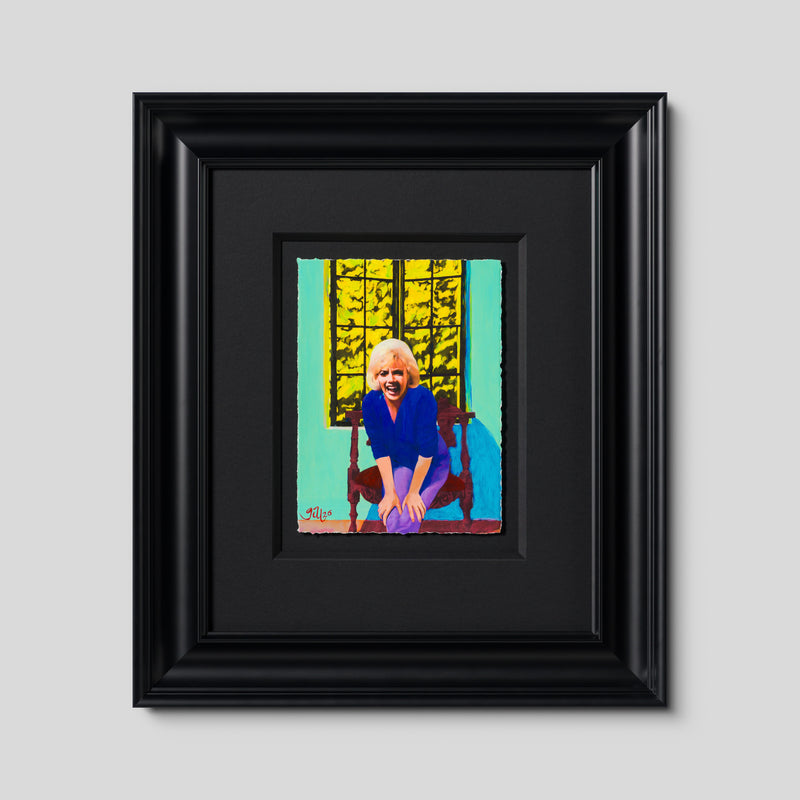
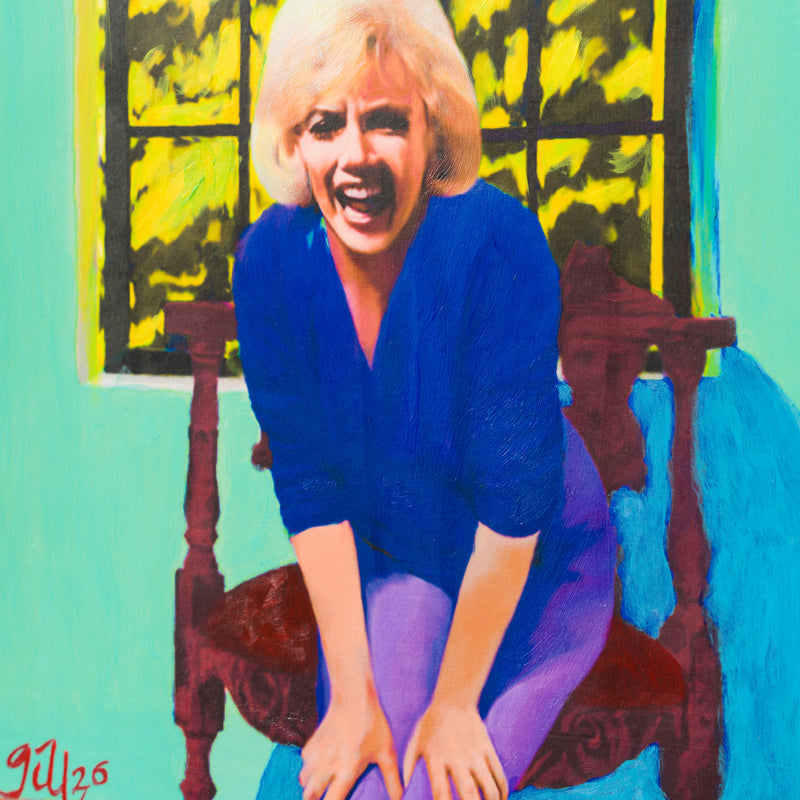
James Francis Gill | Original
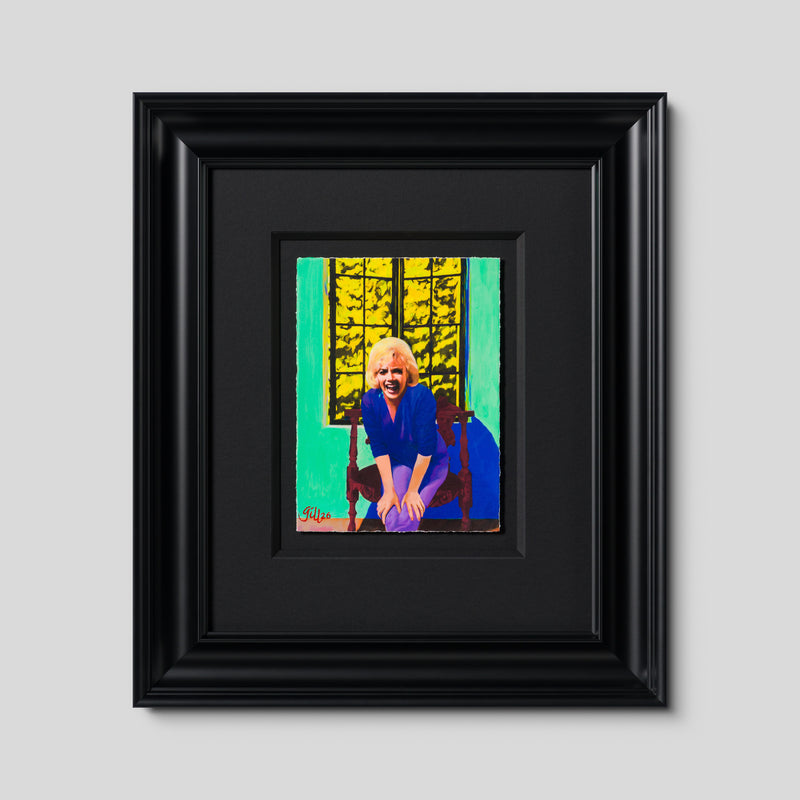
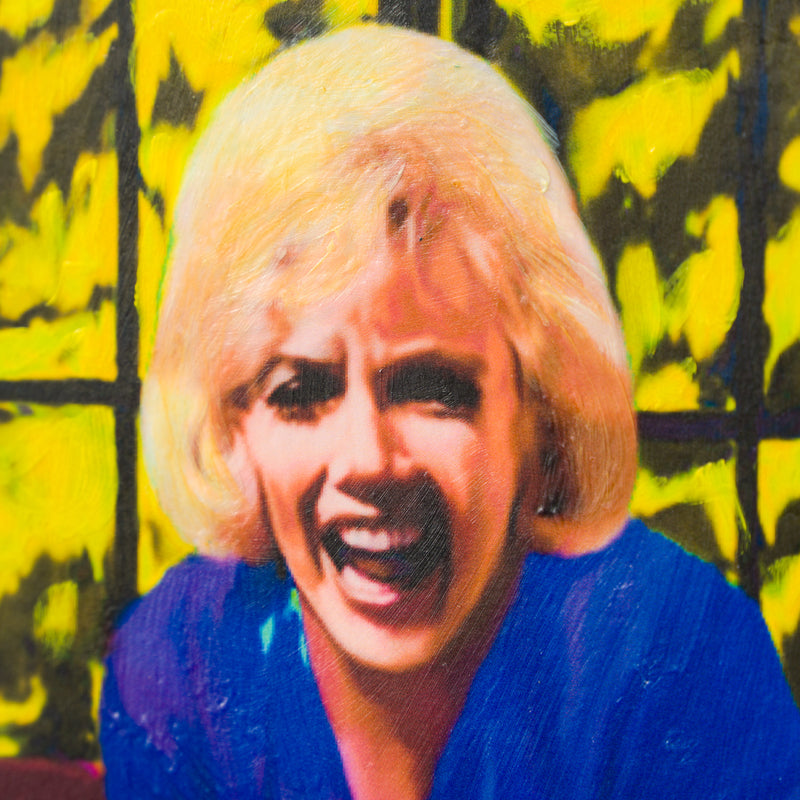
James Francis Gill | Original
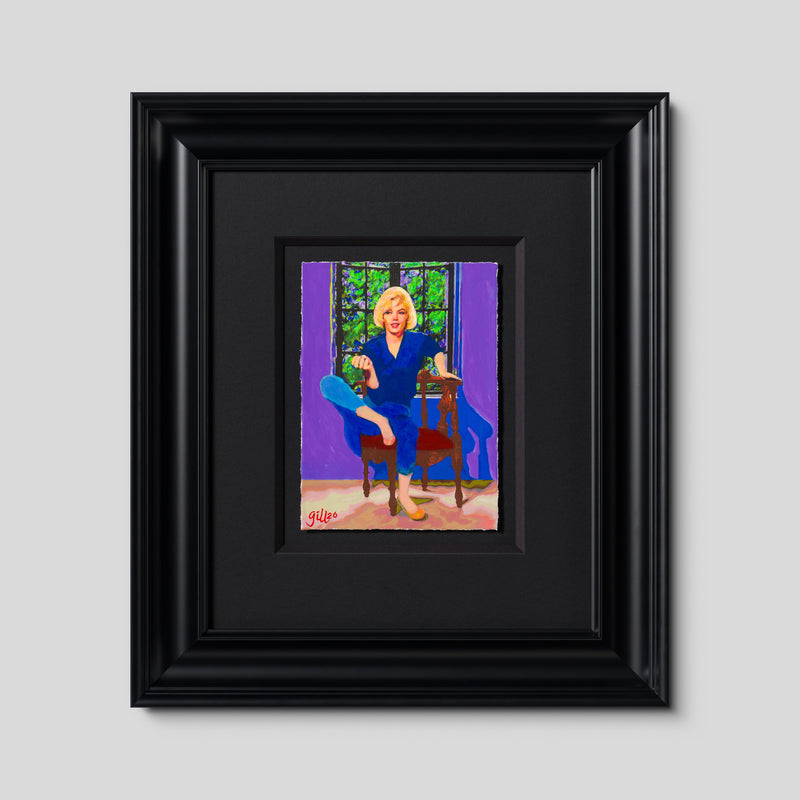
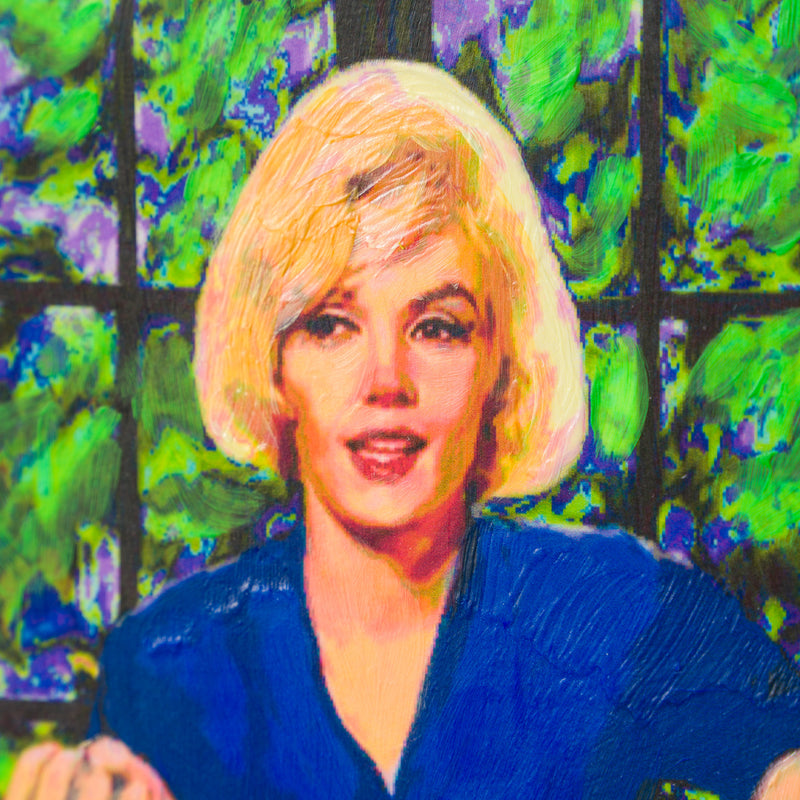
James Francis Gill | Original
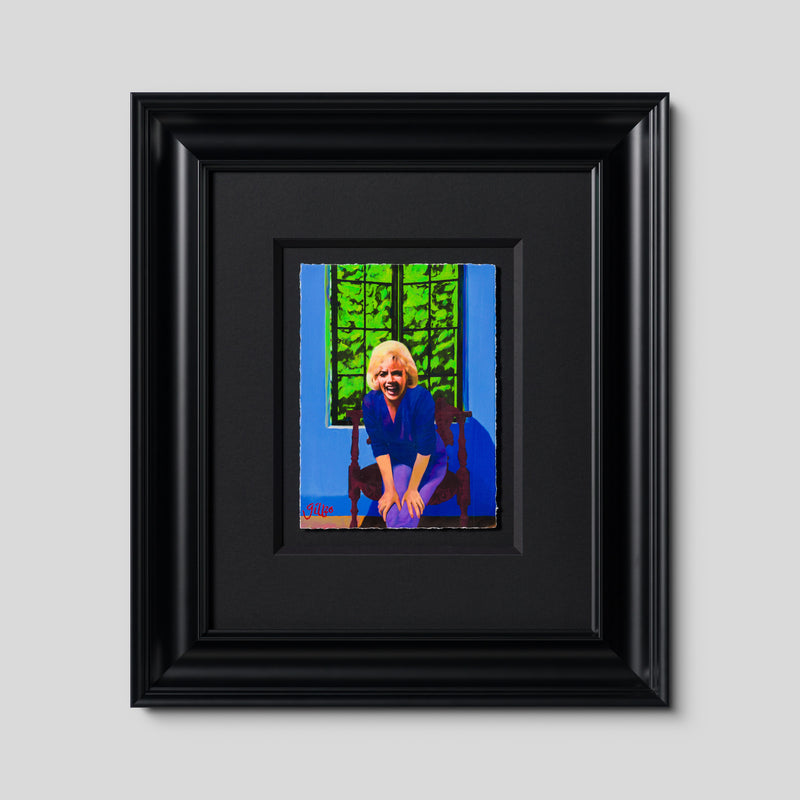
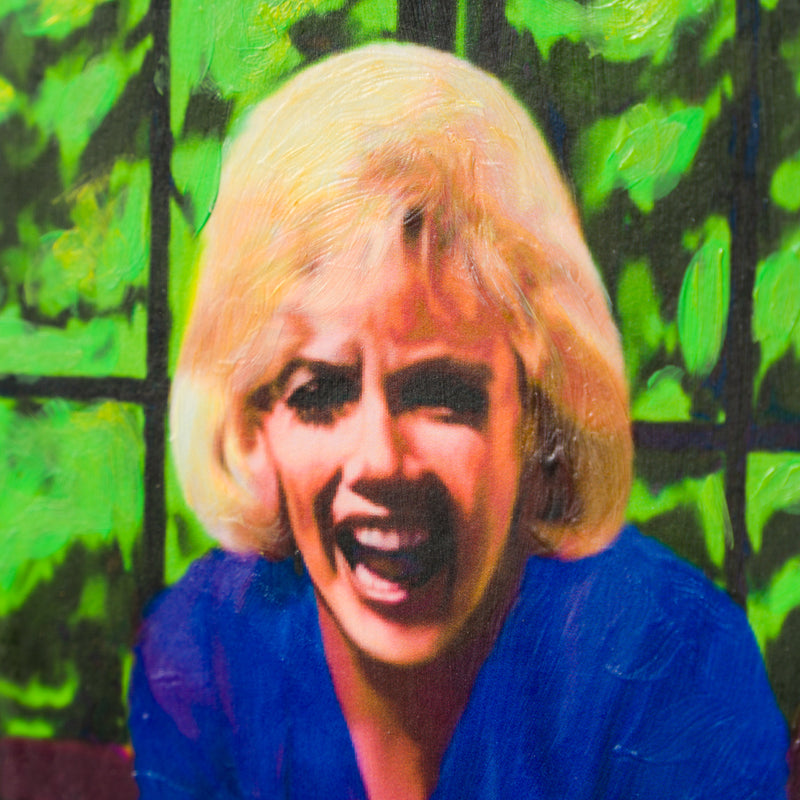
James Francis Gill | Original
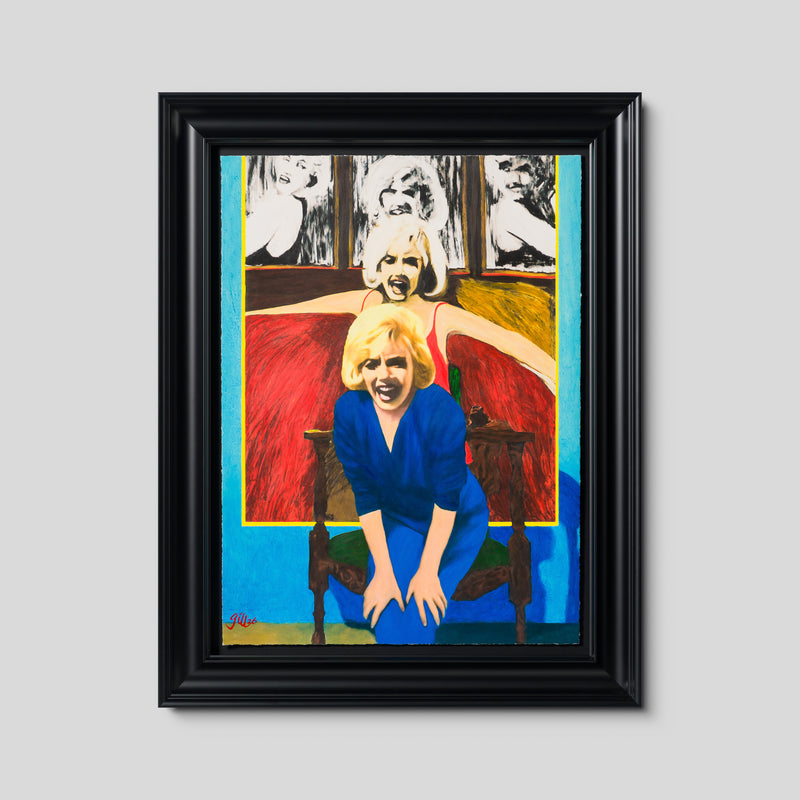
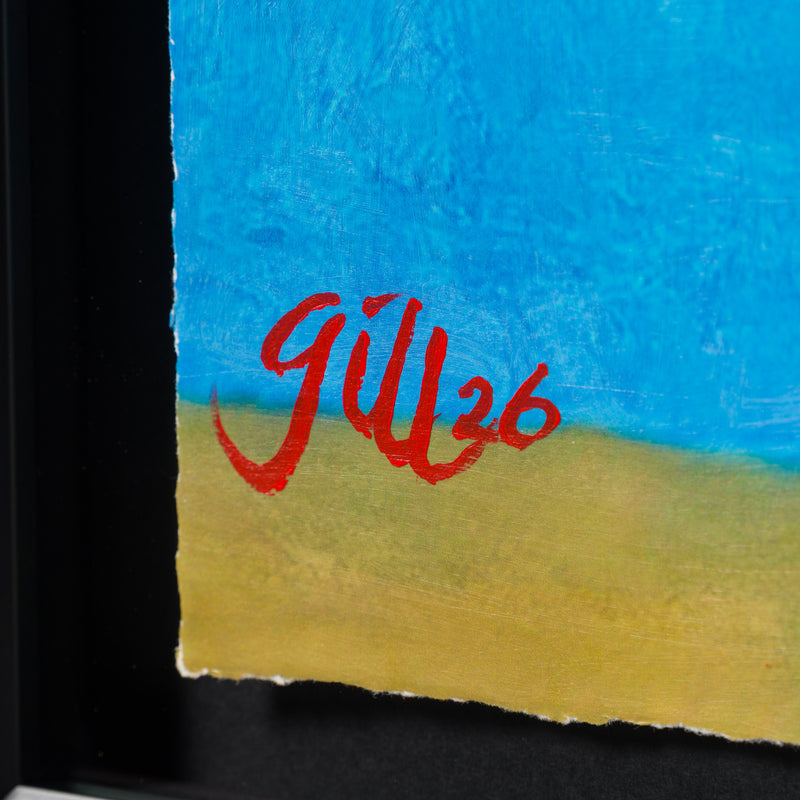
James Francis Gill | Original

30 years of fantastic art
In 1995, we opened our first-ever gallery in Stratford-upon-Avon. With just one goal in mind - to make our art accessible to all - our fledgling company began to spread its roots.

Craftsmanship and Quality
Every piece of art is mounted, glazed or framed by hand, with our bespoke framing service selected by our creative department.

Built to last
Our foundations are built on a passion for art, and many of our staff (and collectors!) have been with us from the very beginning.

Free Delivery
Free UK delivery on all artwork and sculpture orders