


The Artist
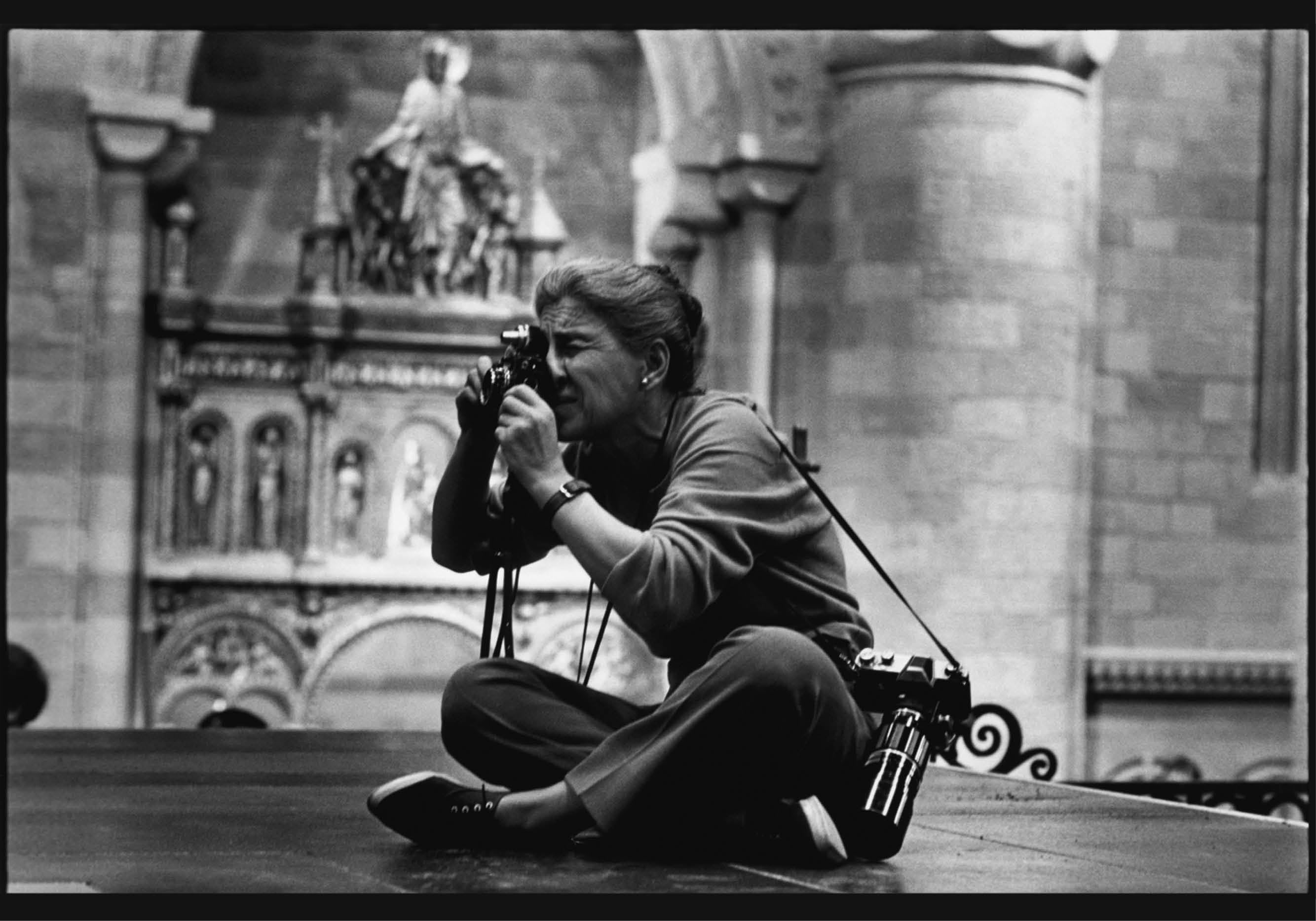
Eve Arnold
Pioneering photojournalist Eve Arnold is internationally renowned for her intimate portraits. Exploring social justice,politics,and womanhood,Arnold’s curiosity fuelled her commitment to capturing reality in her photos.
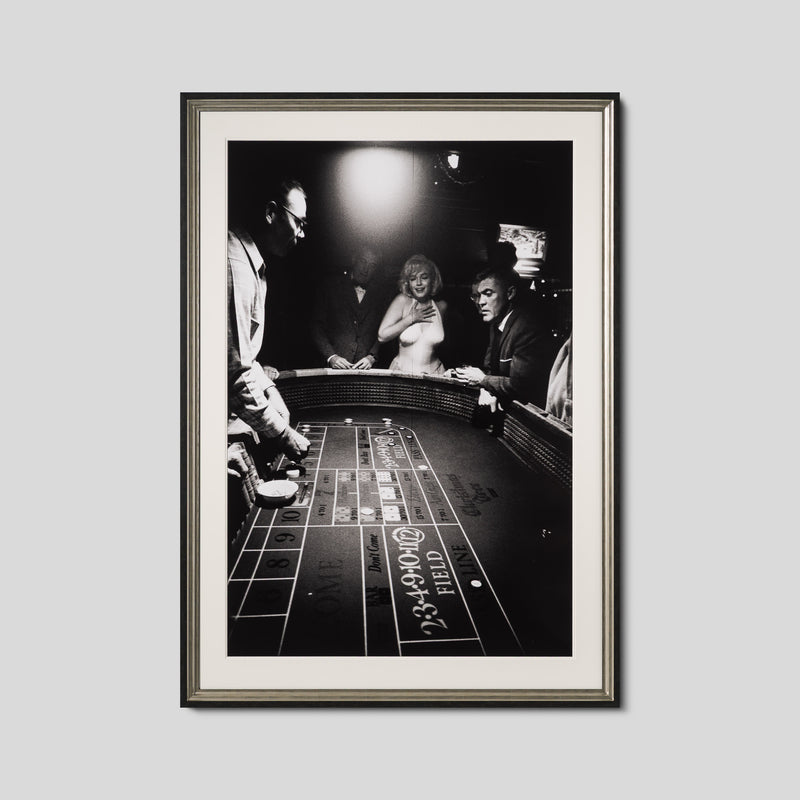
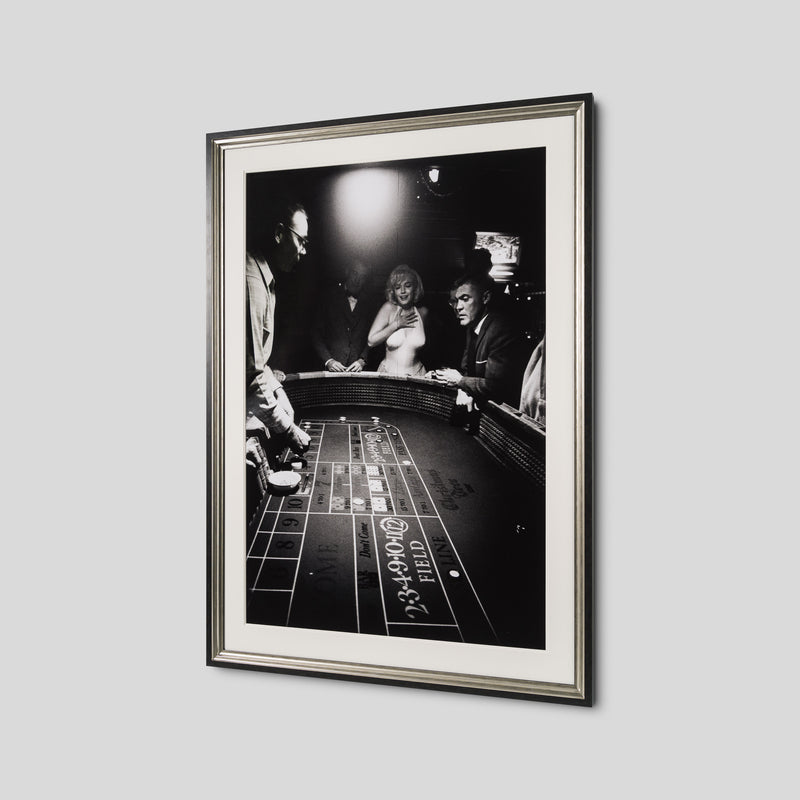
Eve Arnold | Limited Edition
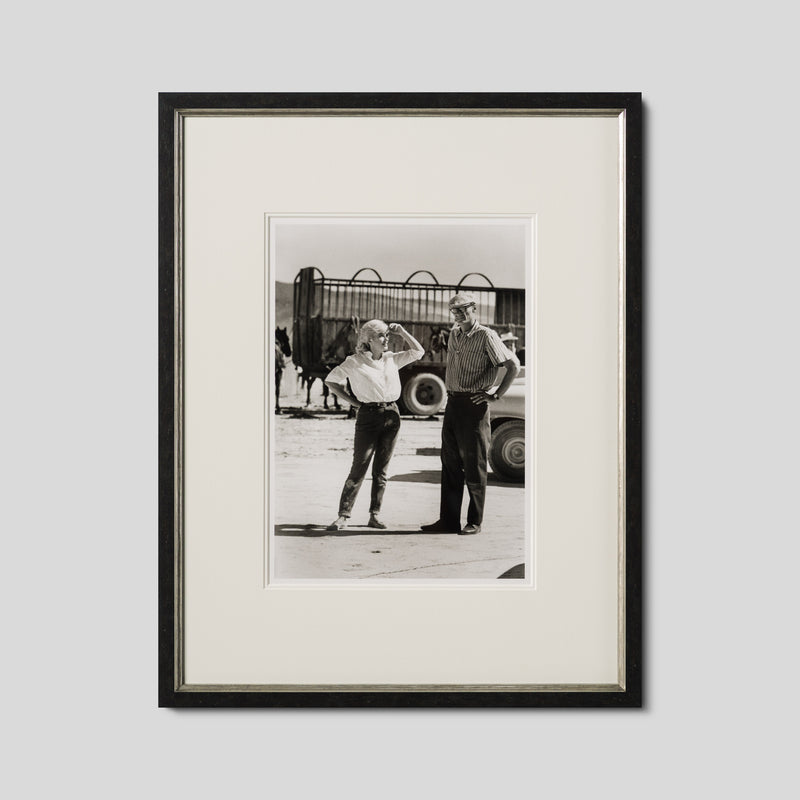
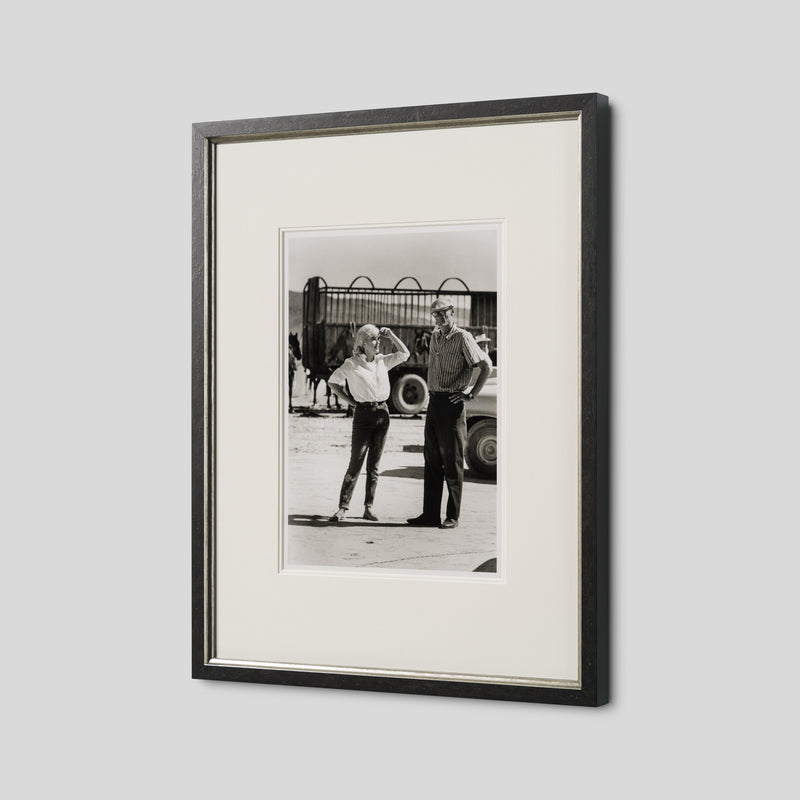
Eve Arnold | Limited Edition
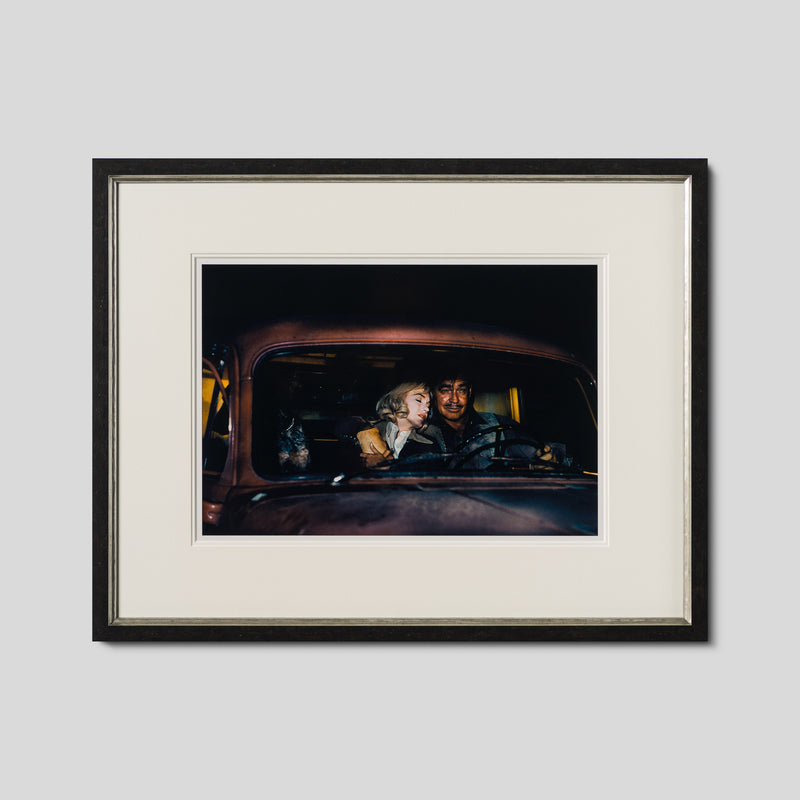
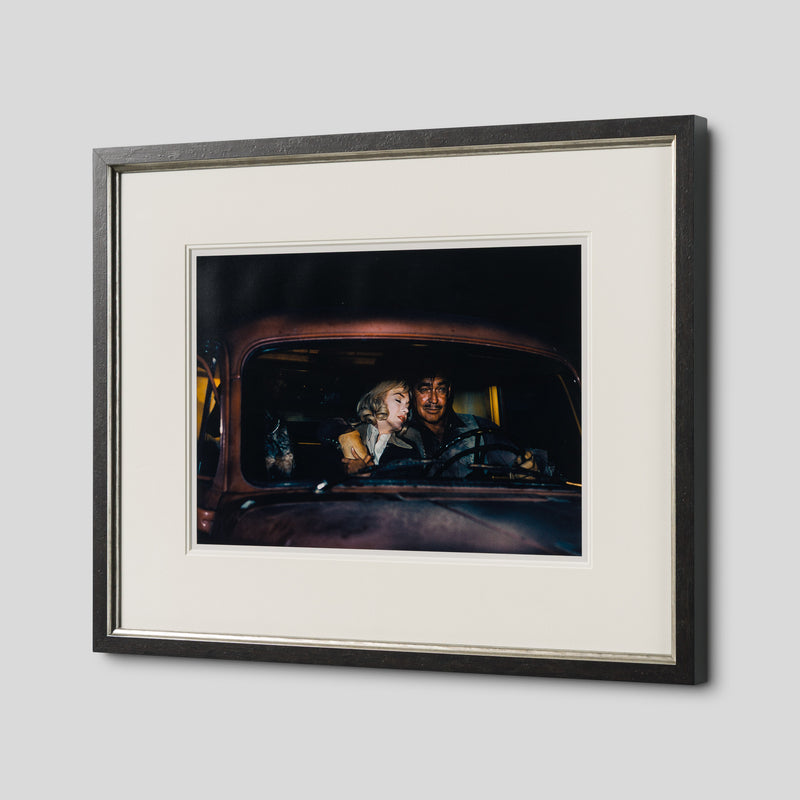
Eve Arnold | Limited Edition
“If a photographer cares about the people before the lens and is compassionate,much is given. It is the photographer,not the camera,that is the instrument.” - Eve Arnold
The artist
Eve Arnold
Eve Arnold took up photography in New York City in 1946 and went on to become one of the world's most revered photographers.
In a career spanning six decades, Eve Arnold photographed people from all walks of life, from the Hollywood elite and political figures to manual labourers. With curiosity as her biggest driving force, Arnold showed incredible bravery throughout her career, putting her commitment to capturing reality above all else.
OUR ARTISTS
SIMILAR ARTISTS
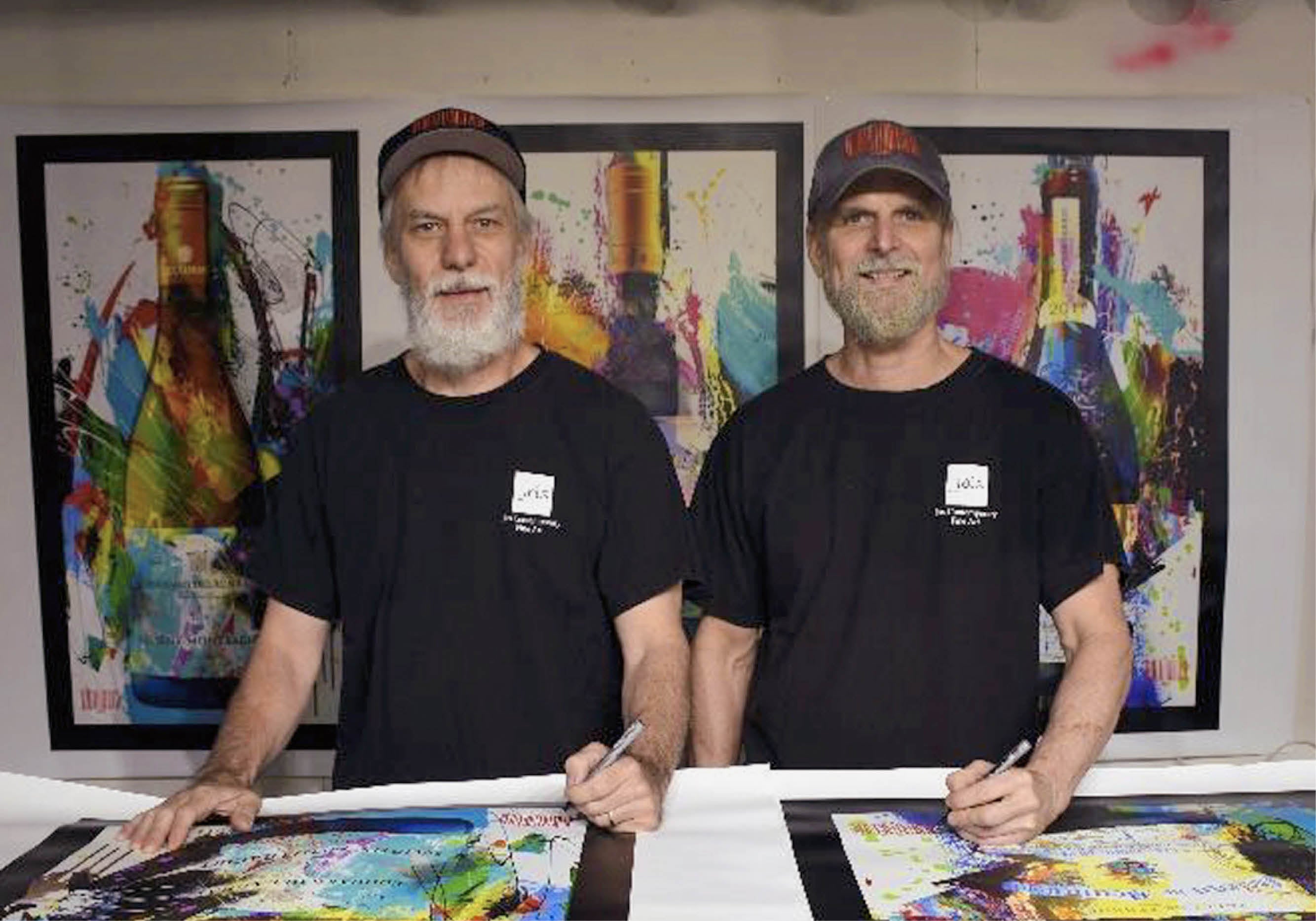
Bisaillon Brothers
DISCOVER MORE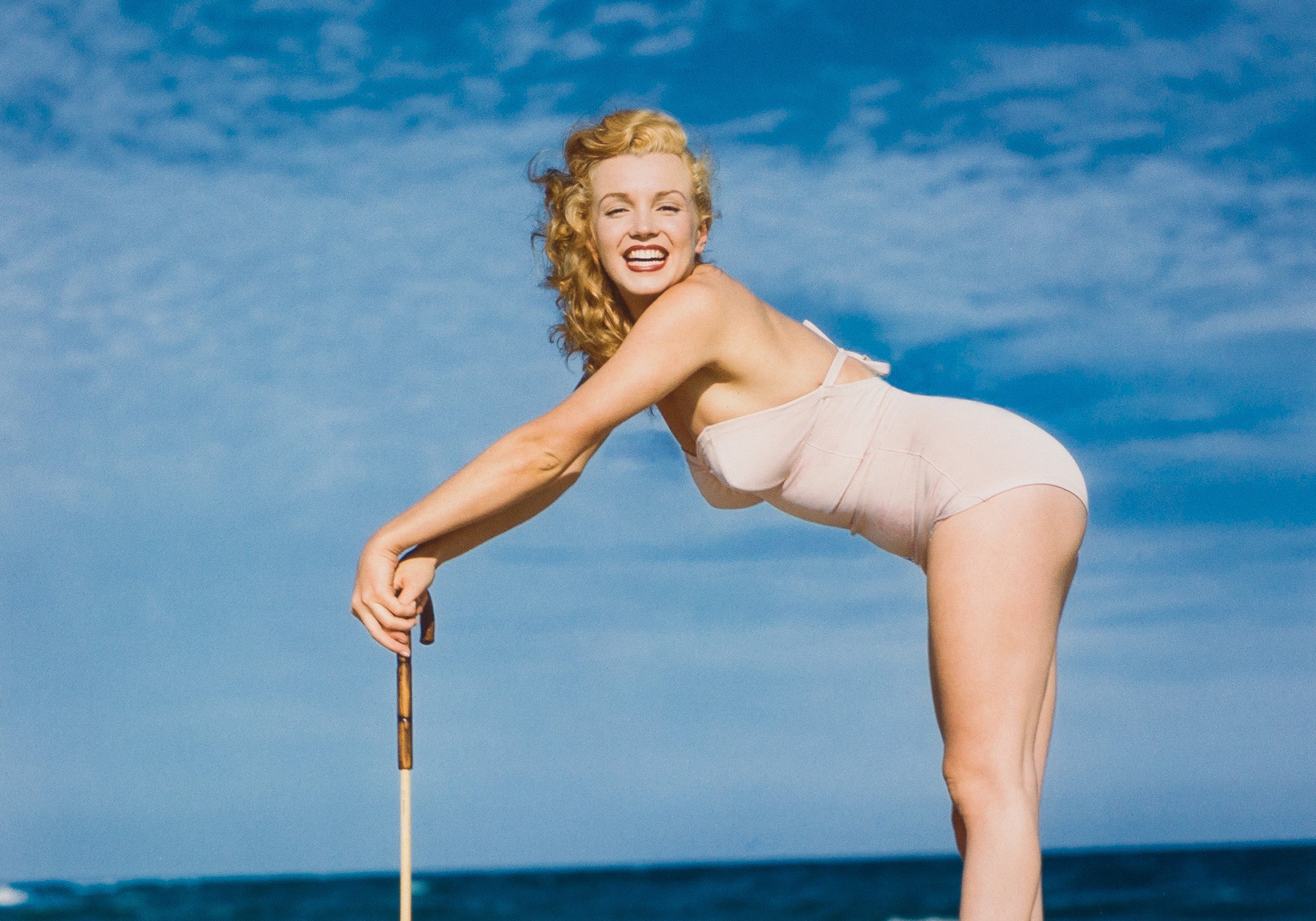
Edward Weston Collection
DISCOVER MORE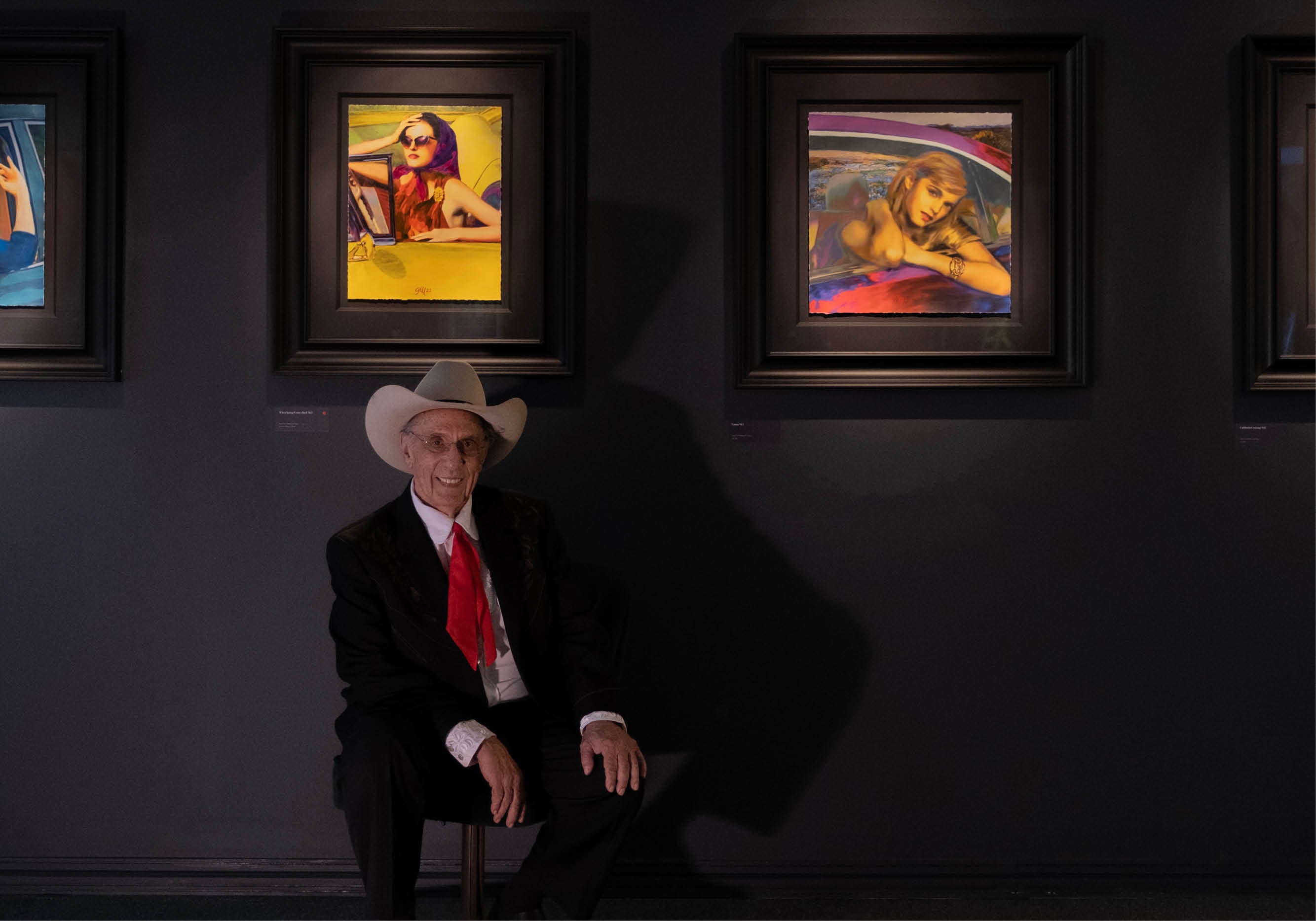
James Francis Gill
DISCOVER MORE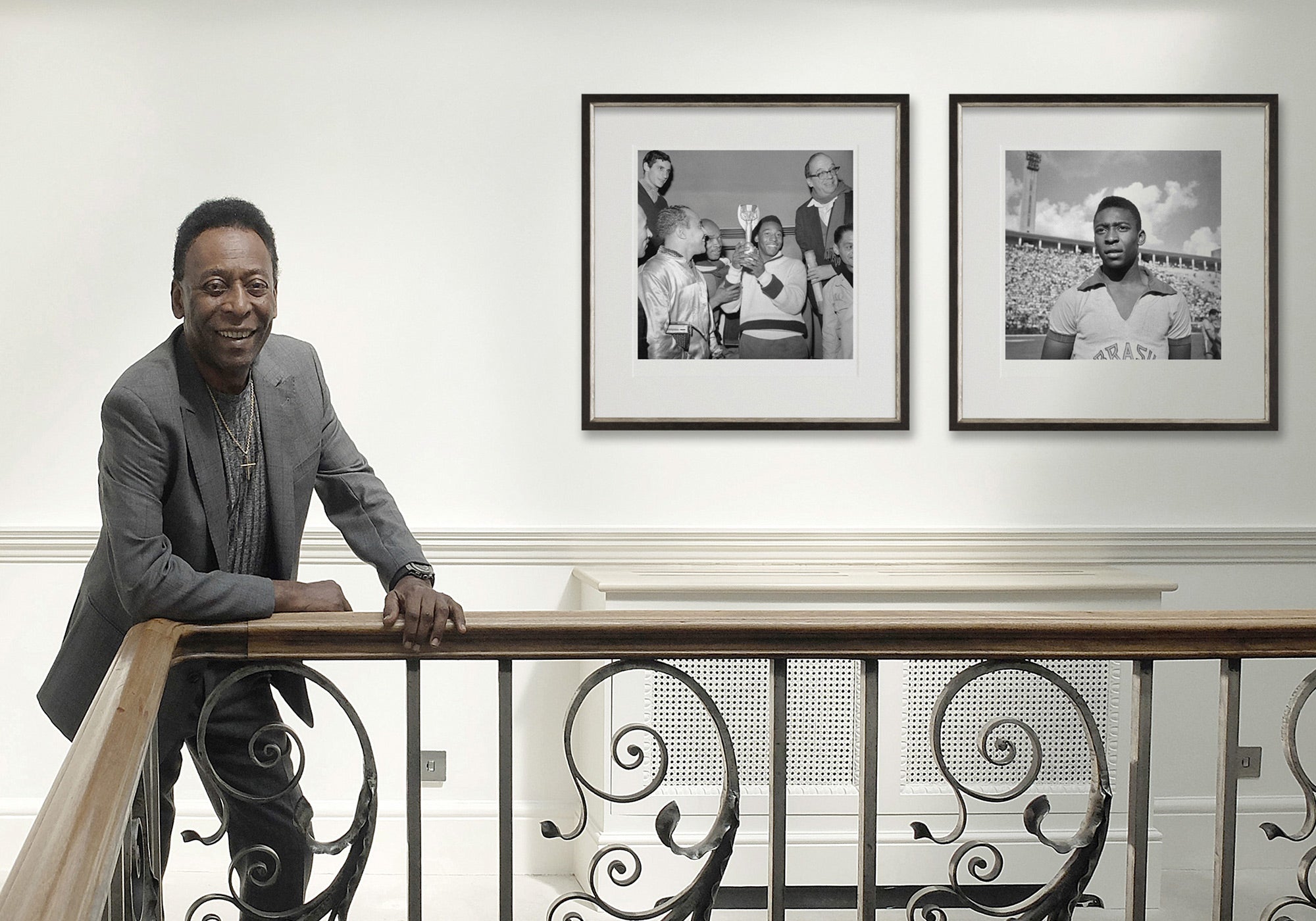
Pelé
DISCOVER MORE
30 years of fantastic art
In 1995, we opened our first-ever gallery in Stratford-upon-Avon. With just one goal in mind - to make our art accessible to all - our fledgling company began to spread its roots.

Craftsmanship and Quality
Every piece of art is mounted, glazed or framed by hand, with our bespoke framing service selected by our creative department.

Built to last
Our foundations are built on a passion for art, and many of our staff (and collectors!) have been with us from the very beginning.

Free Delivery
Free UK delivery on all artwork and sculpture orders