






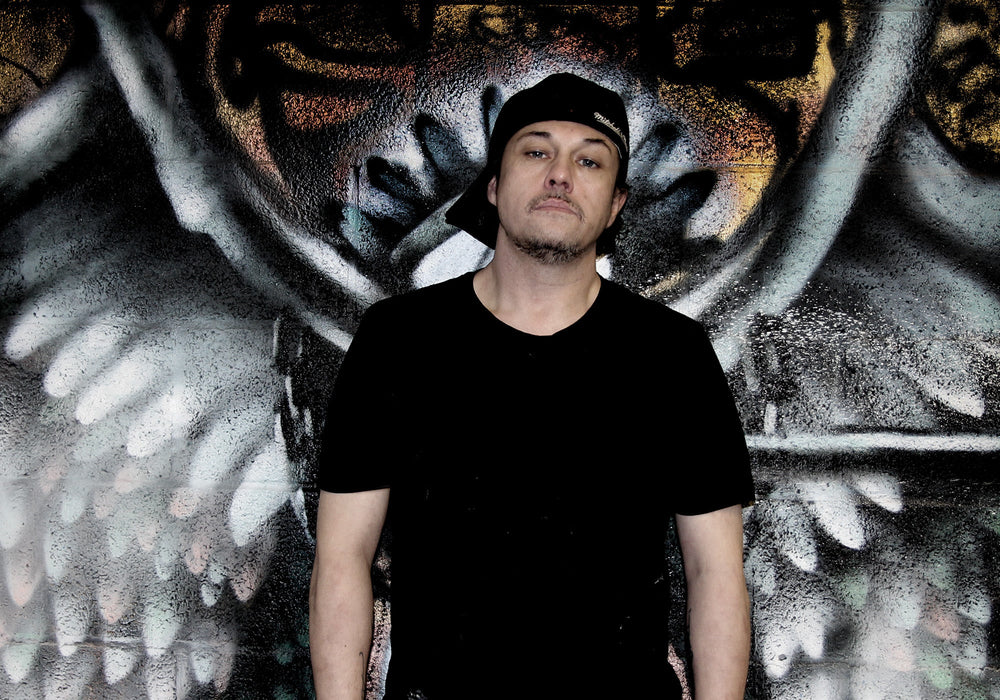


Johnny Depp: Five things to know
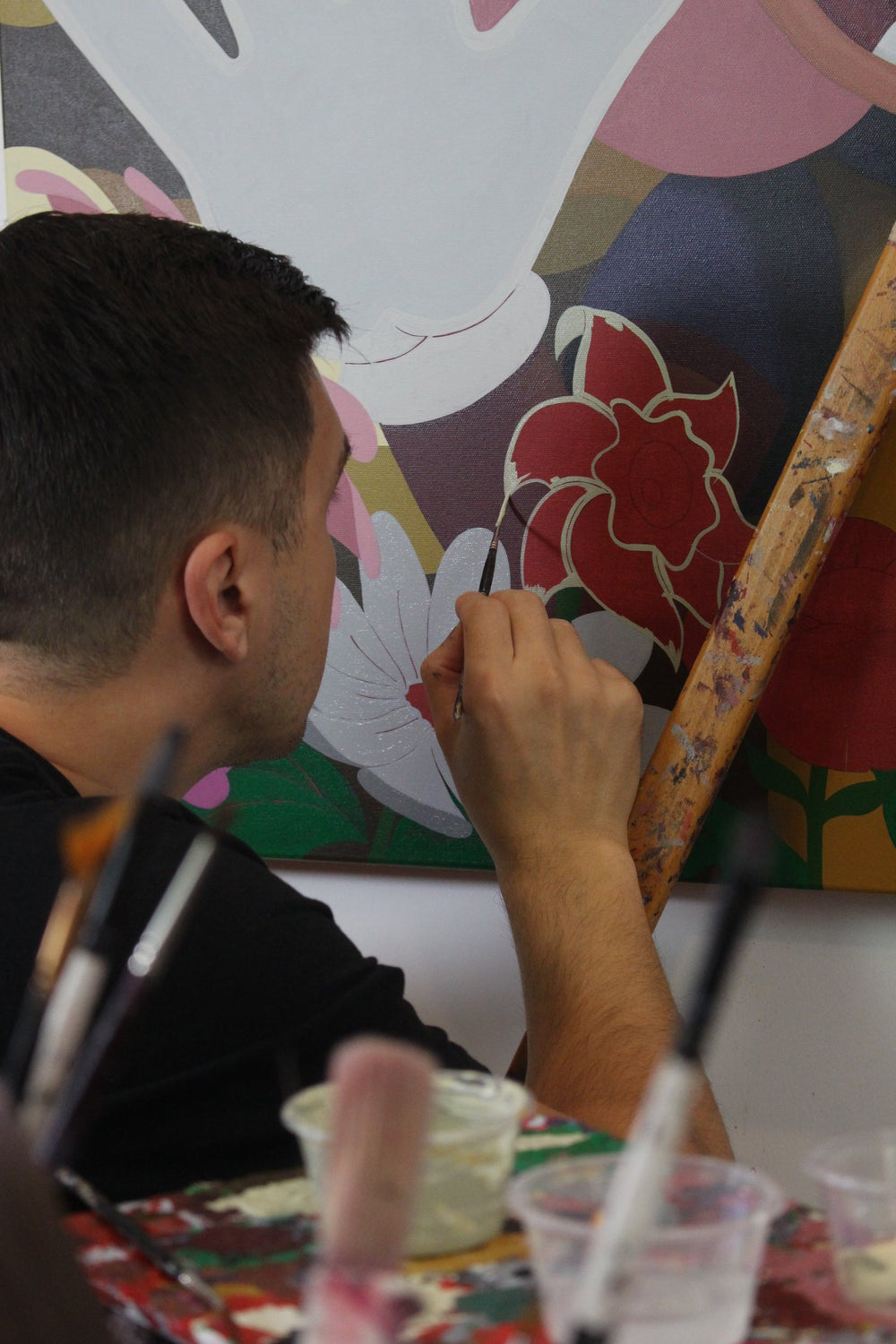
An award-winning actor with a 40-year career in film spanning blockbuster movies and arthouse films, Johnny Depp has long turned to visual art as a ‘release’ away from the camera, constantly sketching and conceptualising the world around him. As an actor, Depp is known for his depth of research and commitment to characterisation. He is an innate student of human behaviour; studying, learning and translating the qualities he observes in people to weave into the tapestry of the persona he is creating. There is a comparative authenticity to his artworks, which often carry great autobiographical resonance in Depp’s multi-layered, expressionist style.
If you are interested in adding to your collection, speak to one of our art consultants now.
Art Has Always Been Part of His Life
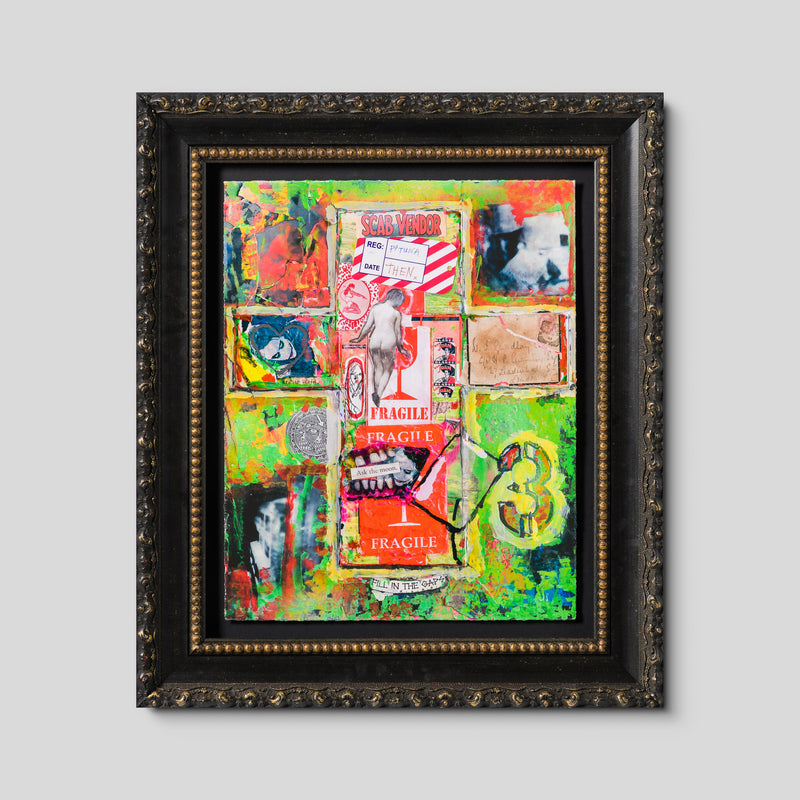
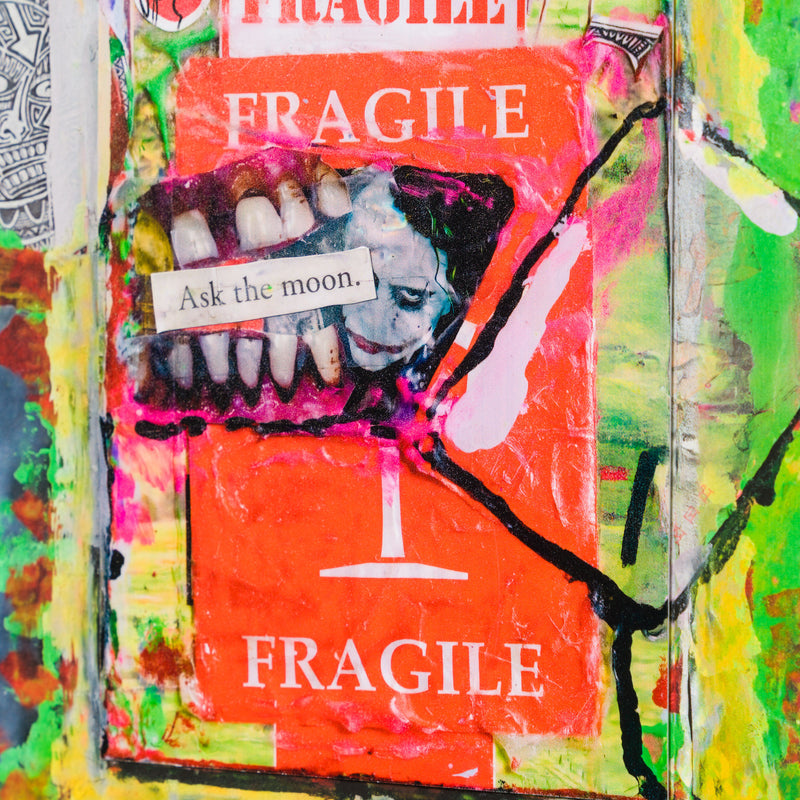
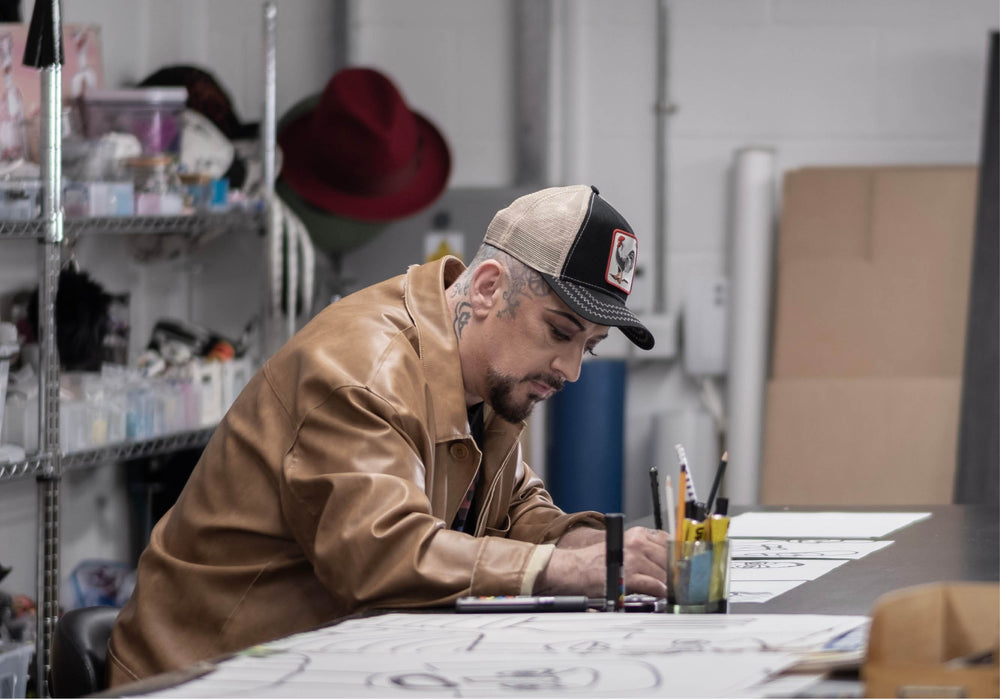
Until recently, Depp reserved his visual art for his family and closest friends, though art has long played a therapeutic role in his life: ‘Ever since I can remember, it's always been about putting a pencil to a piece of paper or some surface. A lot of walls when I was a child. So I was always kind of trying to escape into these little drawings and everything’. Journalling and drawing provided a consistent haven, a world of his own amongst a childhood of flux and upheaval. As Depp grew up and spent more time on the road, on set and in hotel rooms, art remained a constant companion and mode of escape. Depp’s use of non-traditional materials – hotel notebooks, Rizla paper, tea boxes, newspaper clippings – continues to reflect this everyday art practice, utilising whichever surfaces or materials he has available to him to satisfy his creative impulses.


Depp’s admiration for other artists is a key influence on his work
Depp’s art is characterised by an intense subjectivity, highly textural applications of paint, mixed media and other found materials, vivid colour and use of evocative, narrative imagery and text. Depp has noted the creative influence of working alongside the neo-expressionist American painter and filmmaker Julian Schnabel, whom he met at Cannes Film Festival. As their relationship developed, Schnabel offered Depp advice surrounding his art making, on one occasion advising, ‘don’t ever start with a white canvas, paint the light and paint the shapes’.
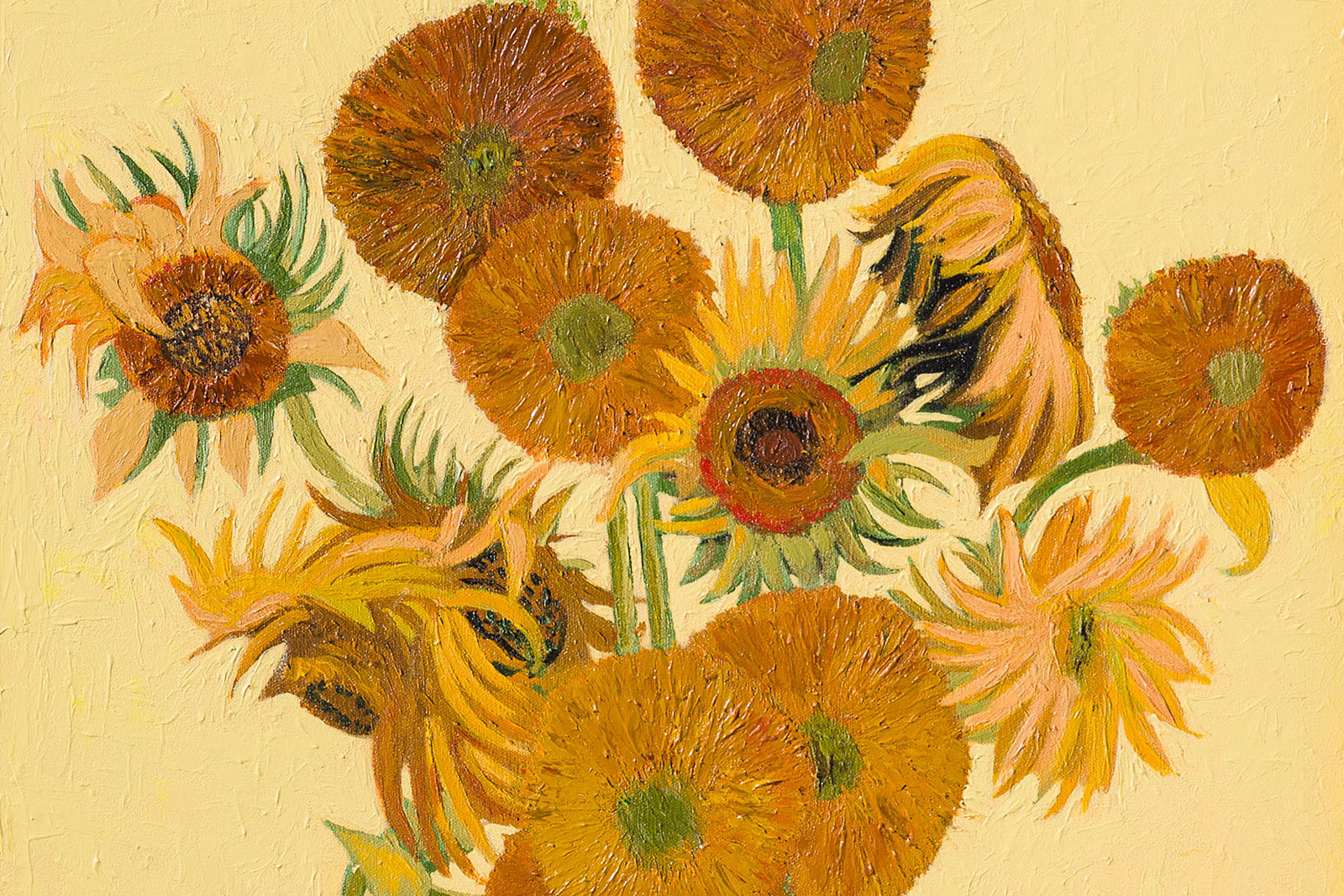
Depp also cites the key influence of neo-expressionist and graffiti artist, Jean-Michel Basquiat, with his unique blend of high art with popular culture, as well as Vincent van Gogh, Amedeo Modigliani and the Surrealists. His portraiture frequently engages on a psychological level with the emotionally charged works of Edvard Munch and the intimate physicality of Egon Schiele. Depp is particularly drawn to exploring how such artists work, specifically how they ‘dig into the world around them’ as well as ‘the world inside them’. Depp’s art invites us to look beyond the familiar public figure and encounter the artist’s inner world.
Self-portraiture is a key subject in Depp’s work
Self-portraiture forms a recurring strand within Depp’s wider artistic output. He has returned to his own face as a subject across multiple works and a variety of media; a pattern he has attributed to the discipline of observational drawing, rather than to any autobiographical impulse. In his own words, the practice involves sitting with a mirror and sketching himself repeatedly under different conditions, an approach in which the artist’s own appearance serves as a familiar and yet uniquely inconsistent subject. Depp’s self-image is at once unwavering, yet mercurial in its form. In some images, there is certainty we are witnessing the ‘real’ Depp at specific moments in his life, while at other times we are presented with Depp as a character or alter ego, stepping beyond the self, often moving into the symbolic and the surreal. Here, Depp explores identity and interior landscapes through a cast of recurring figures, each becoming a stand-in for aspects of the artist’s personality, memory or personal history.


Although Depp considers all his art to be a self-portrait
Depp has said, ‘Portraits, self-portraits … in a weird way, like I said, almost everything you do is a self-portrait in one way or another.’ Depp considers his art to be the purest form of who he is; his impulses, creative influences and innermost feelings play out across his artworks. Even his debut collection, Friends & Heroes, which consisted of portraits of public figures such as Keith Richards and Bob Dylan, is conveyed through the lens of Depp’s own relationships, memories and perception.
His subsequent series, Bunnyman Genesis and Tarot, reveal more explicitly elements of Depp’s inner psychology and intimate family life, offering insights that had never been revealed before he made his artworks public. For Depp, an artist can approach disparate subjects and absorb external stylistic influences, but the work is ultimately inseparable from the artist themselves. What connects Depp’s series is the inescapable presence of the artist himself. His works are personal records: of people admired, moments remembered, dreams revisited, and connections preserved.


Flowers have been an evolving motif in Depp’s art
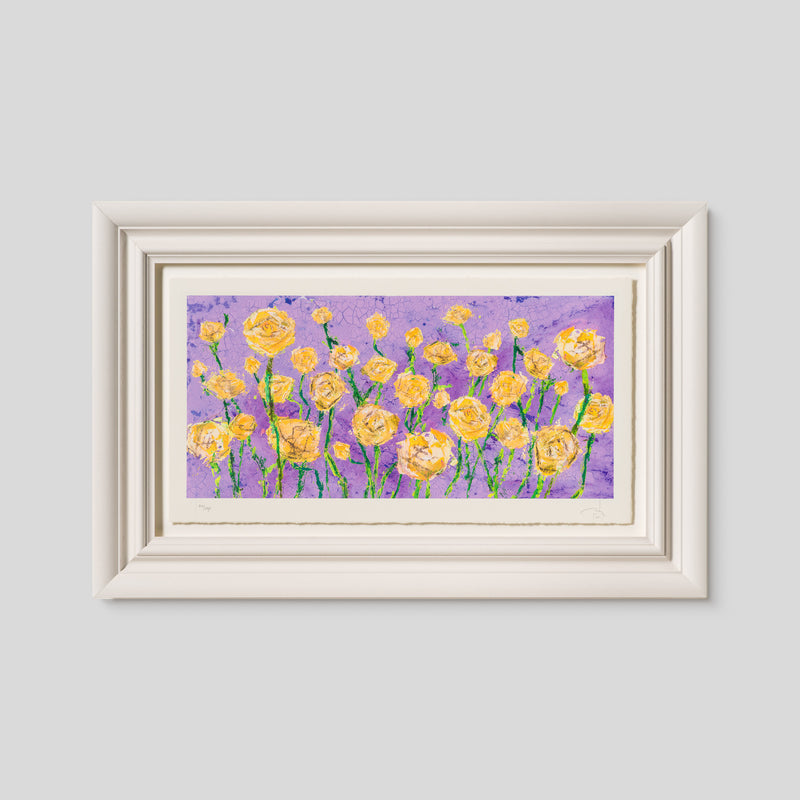
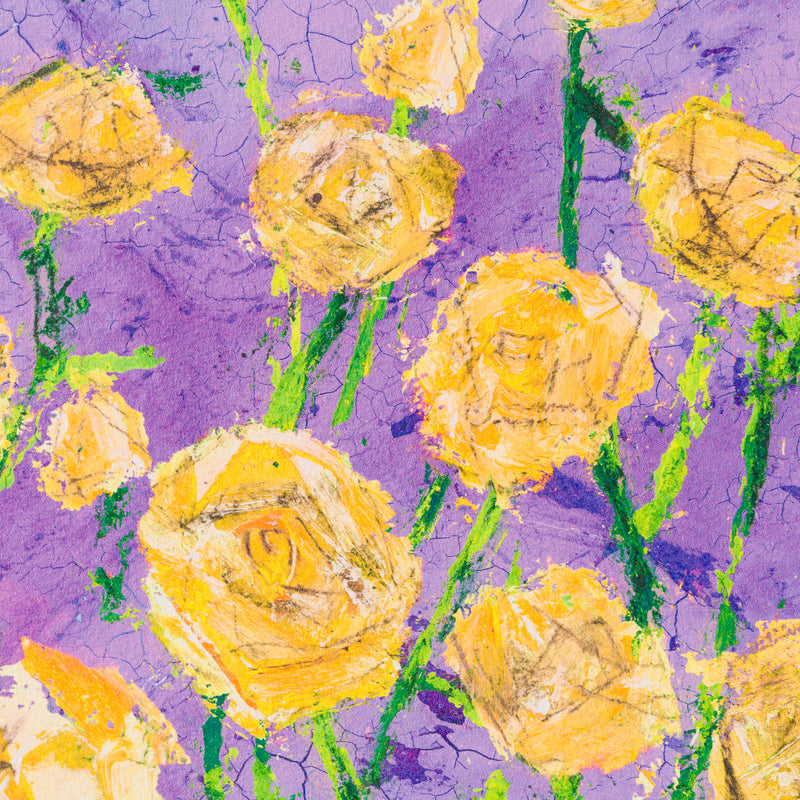
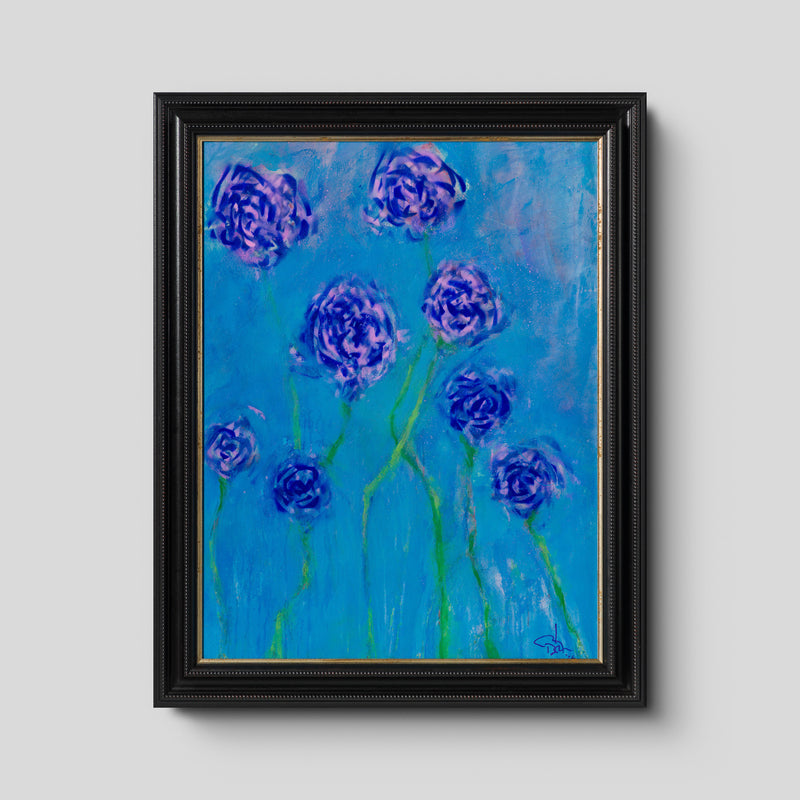
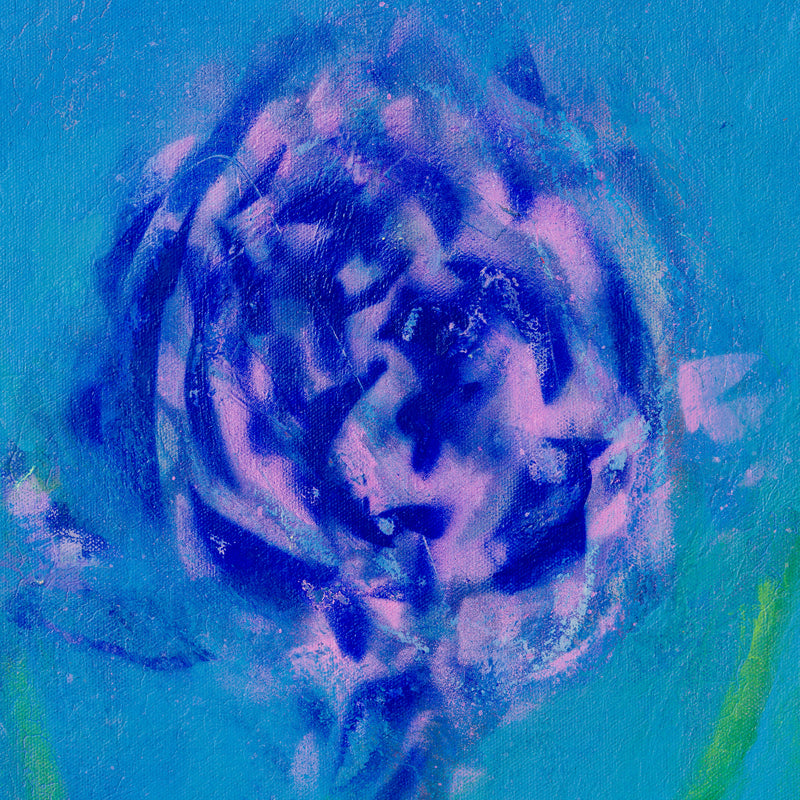
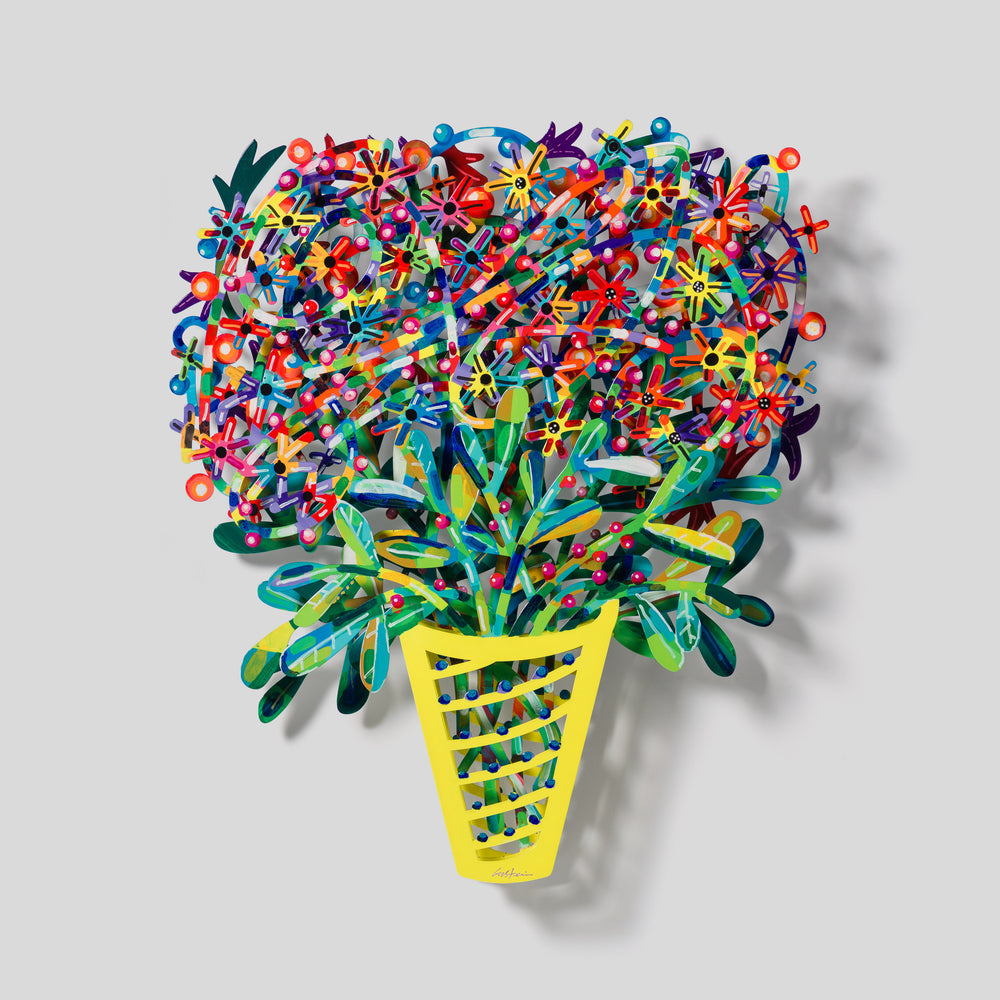
Depp’s flowers represent the people, memories, and connections that act as a constant source of inspiration to the artist. When his daughter, Lily-Rose, was growing up, instead of giving her flowers, Depp would whittle or paint them for her, so that their beauty would last forever. Flowers are deeply symbolic with myriad meanings for Depp. Whereas the rose held by 'The Lovers' in his Tarot series represents romantic love, the rose of 'Let the Light In' represents his daughter. It is a timeless, protective and private portrait, revealing nothing but his enduring devotion to her.


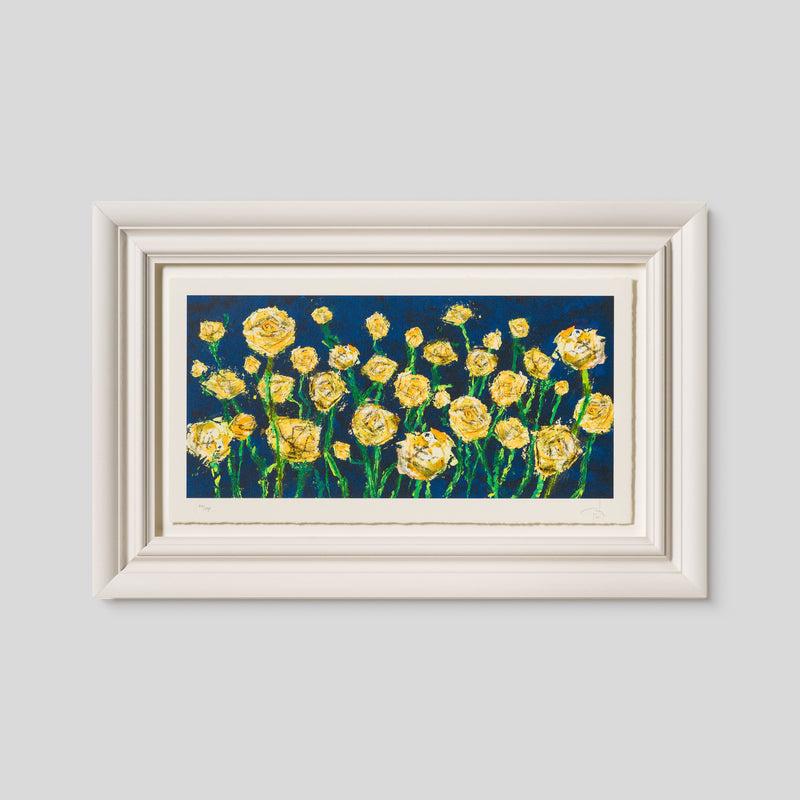
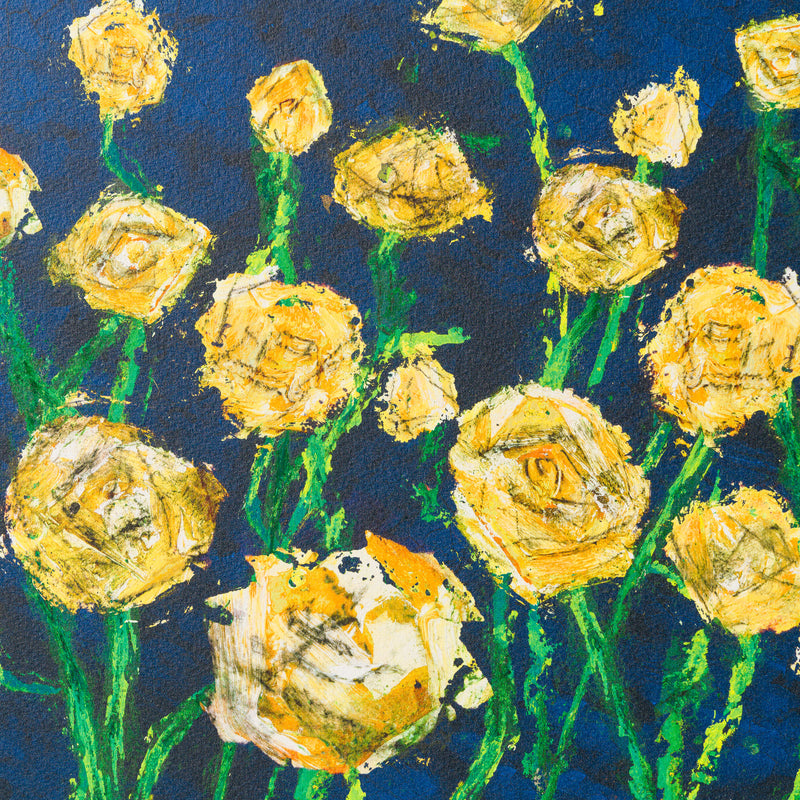
Now, we encounter Yesterday’s Flowers, Depp’s purest and most joyful approach to the subject, where the colours and scents of the abundant blooms emanate from the textured surfaces of the artworks. Yesterday’s Flowers represent Depp's most universal expressions of the value of human connection. Here, Depp reminds us that unlike the perennial flowers he crafted for Lily-Rose, time passes, flowers fade, and we must appreciate the beauty of the present moment.
If you are interested in adding to your collection, speak to one of our art consultants or visit your local Castle Fine Art gallery.