








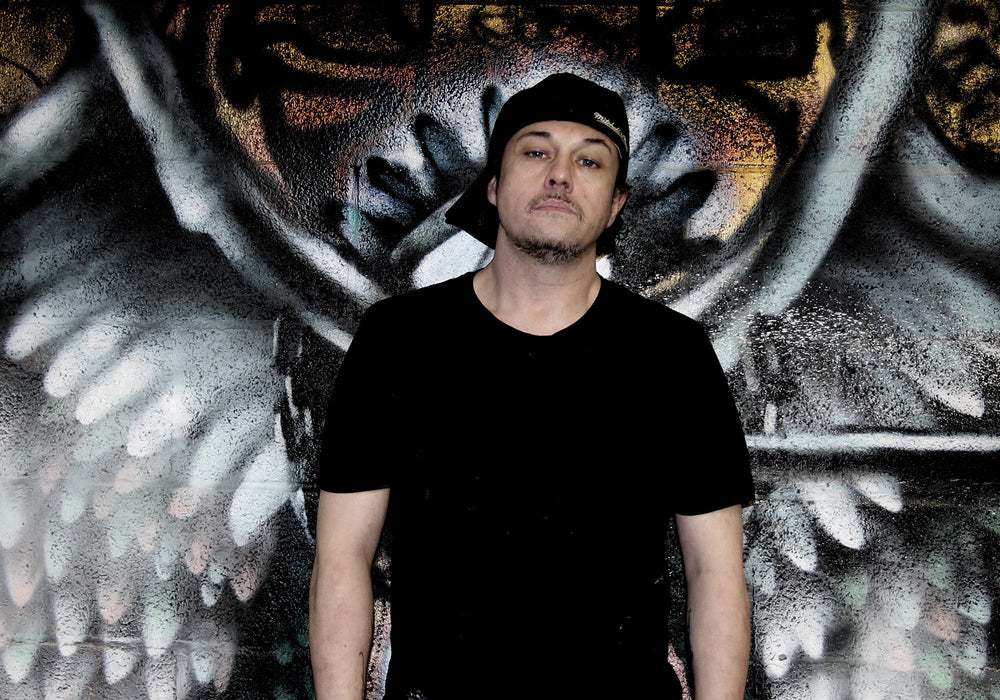

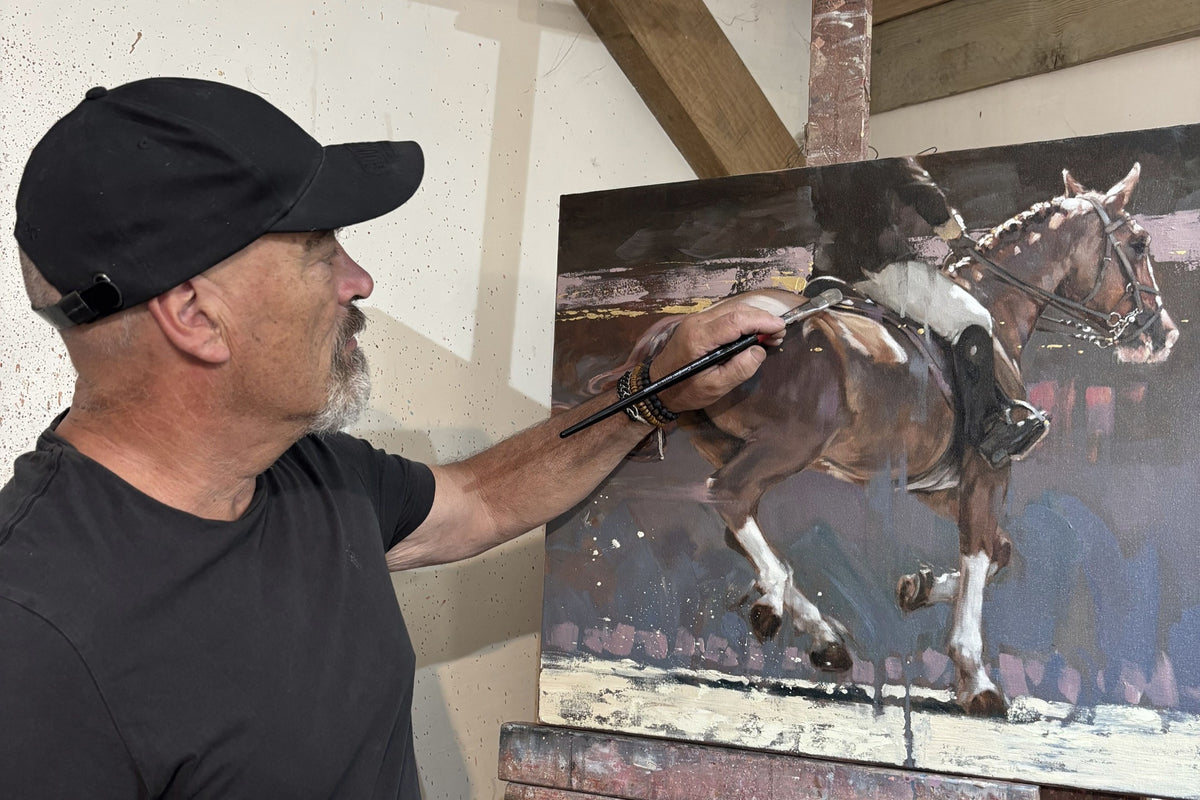
The Artist
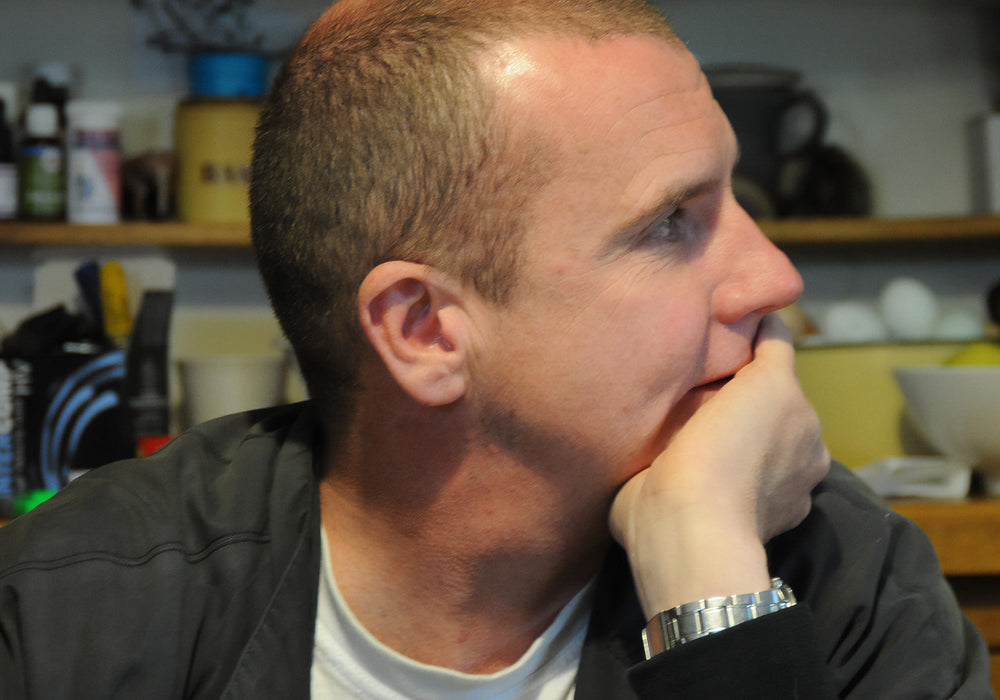
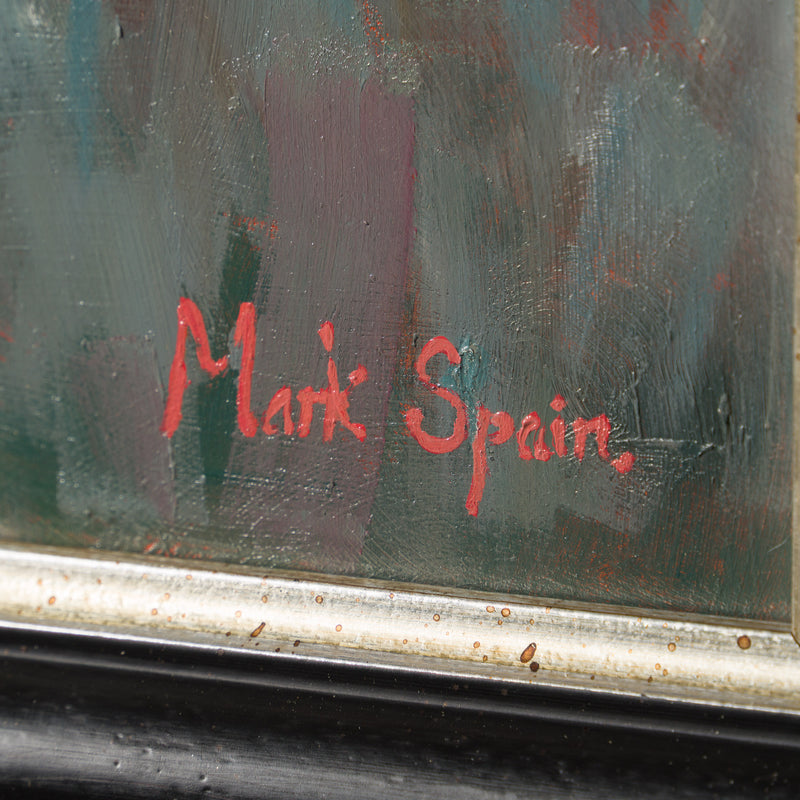
Mark Spain
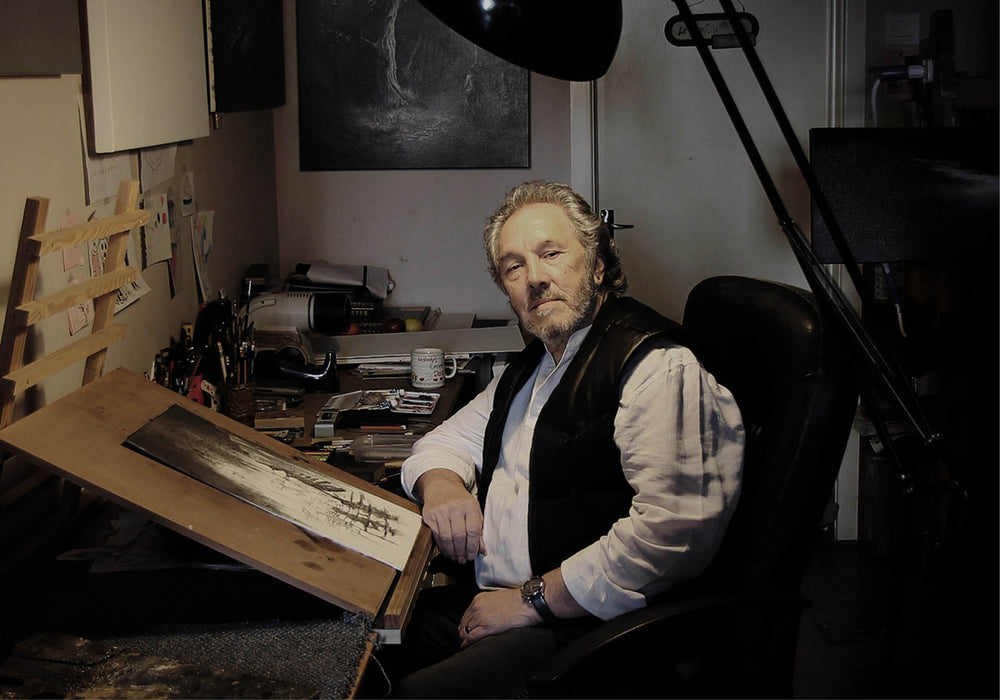
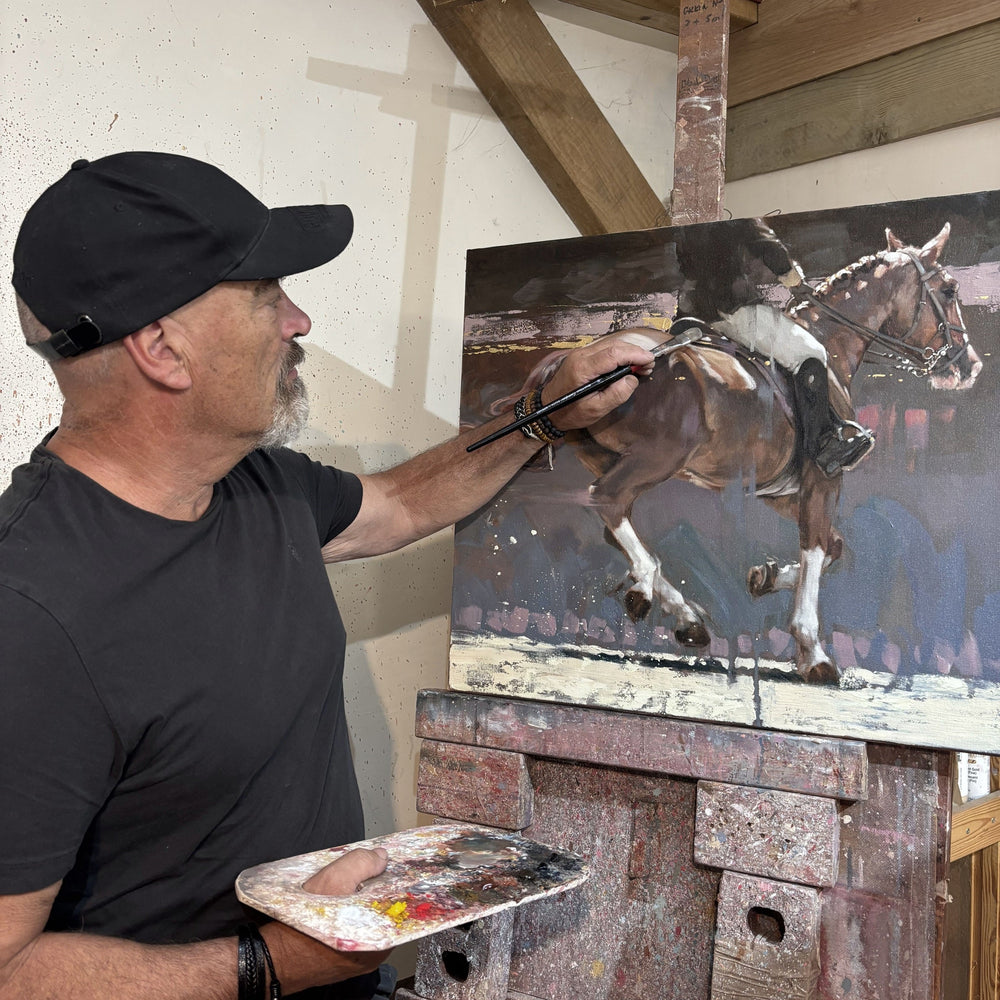
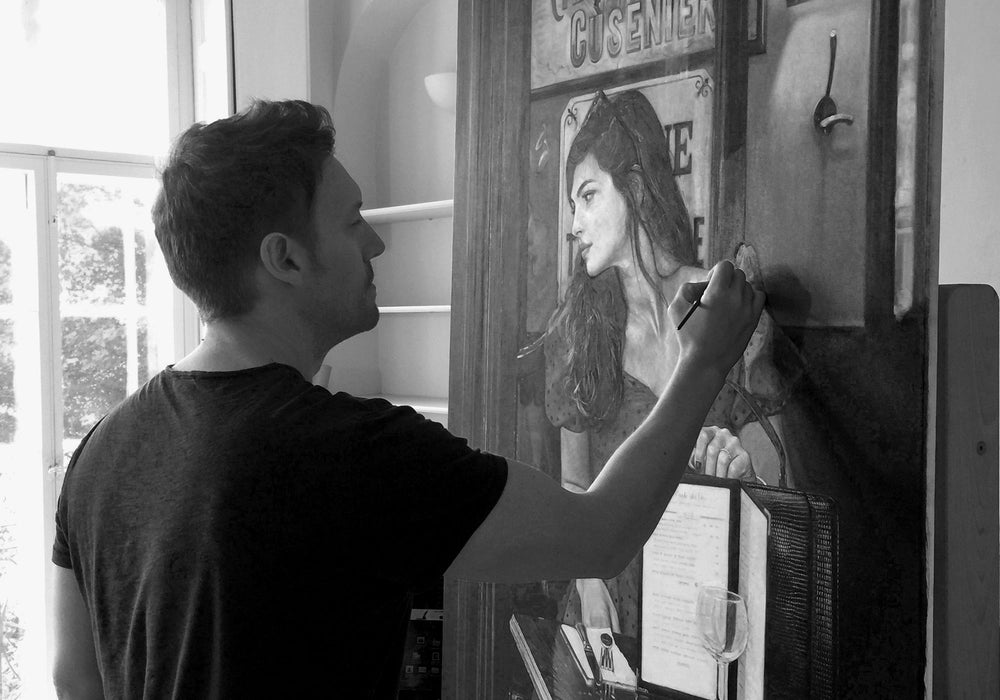
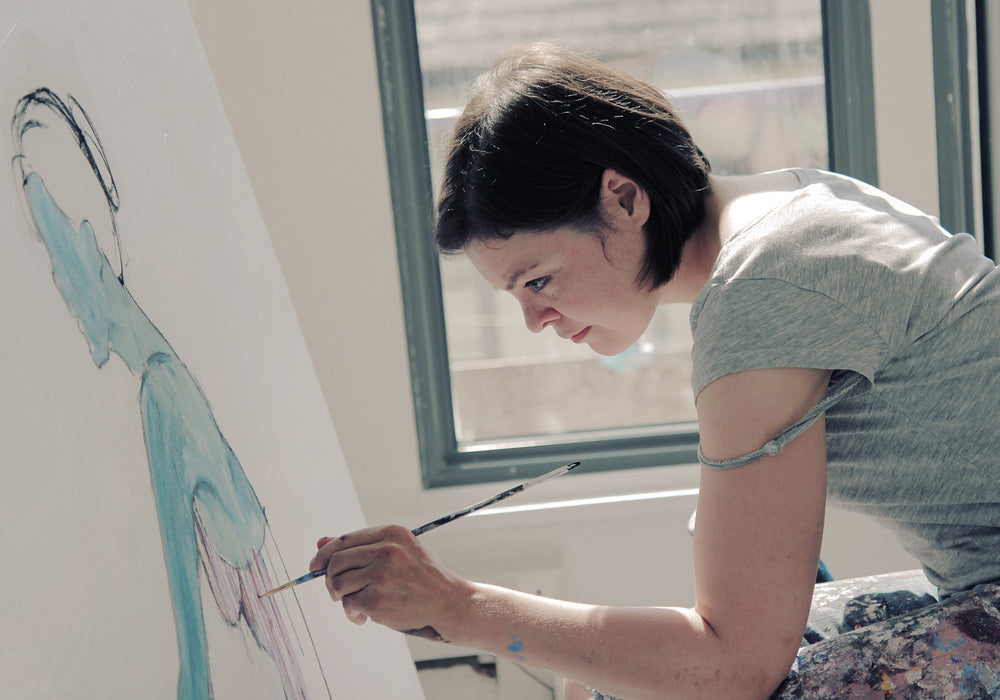
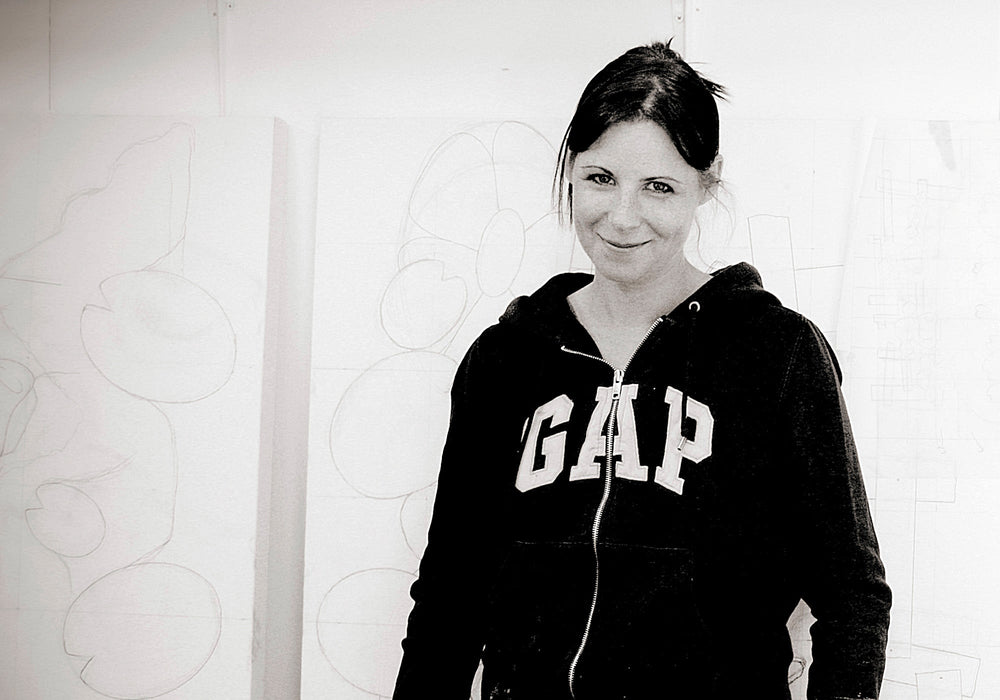
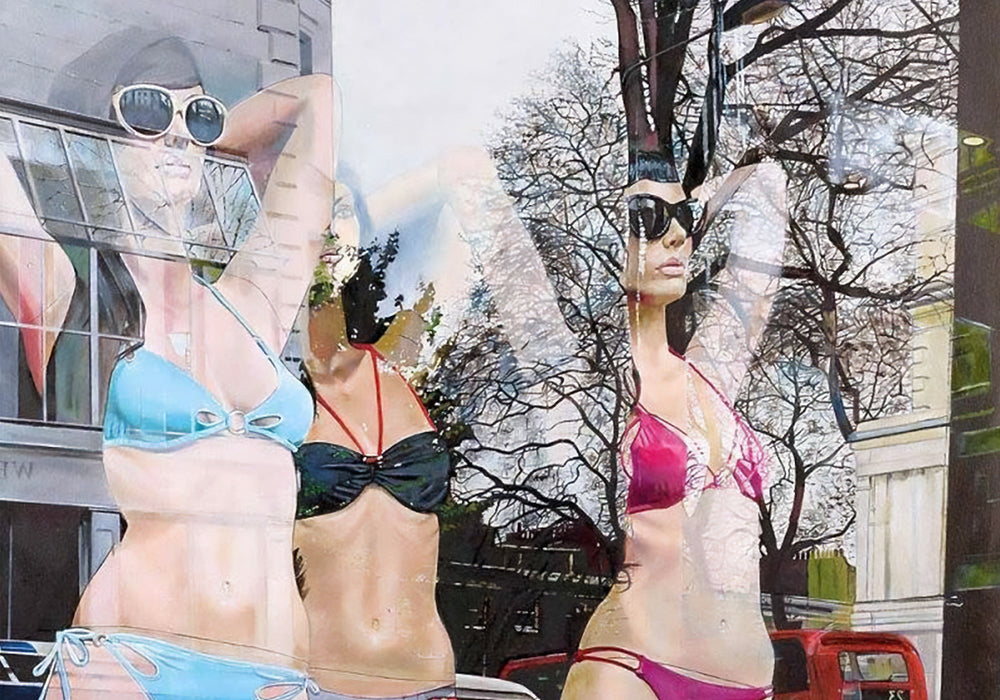
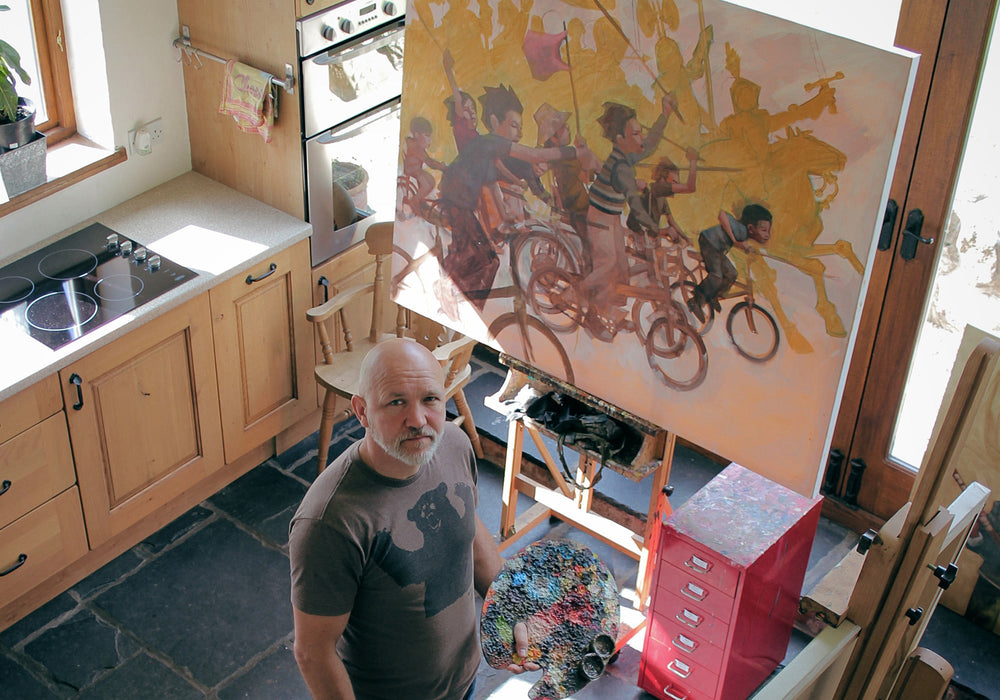
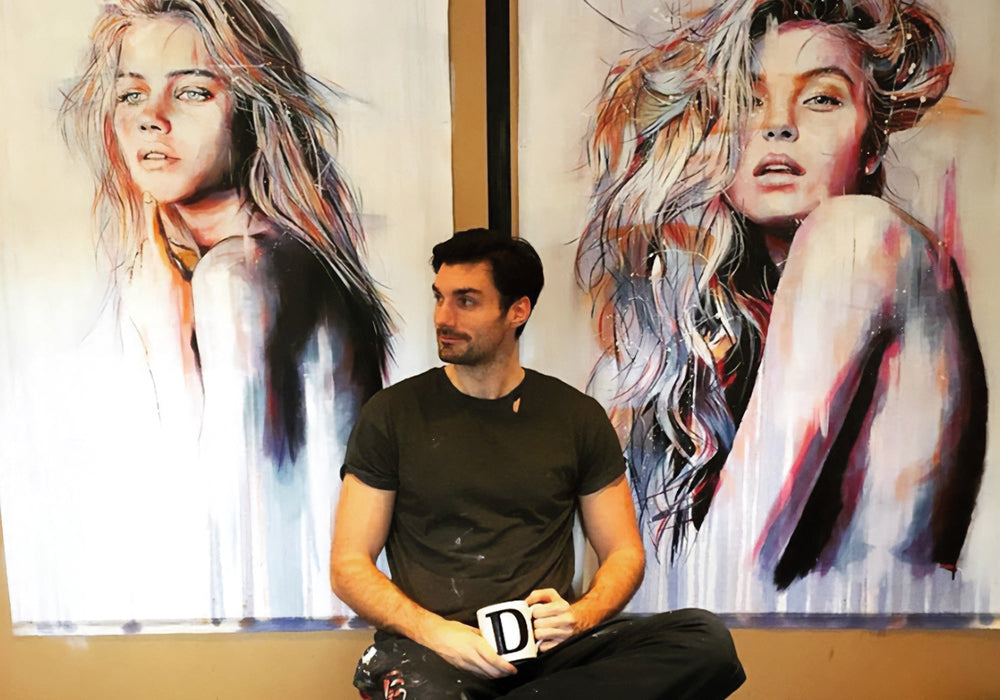
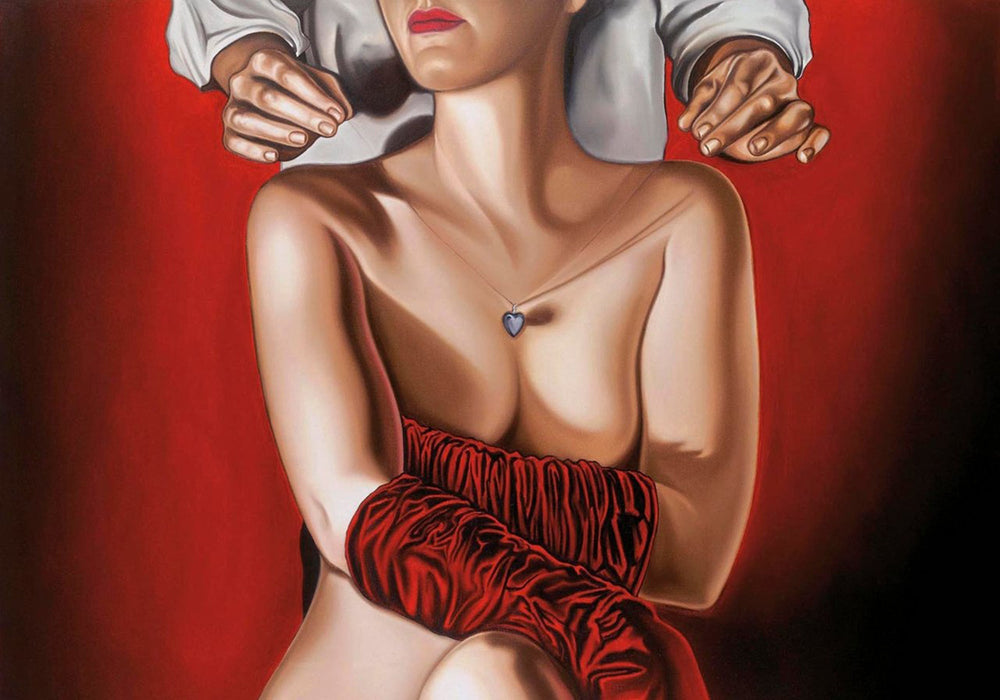
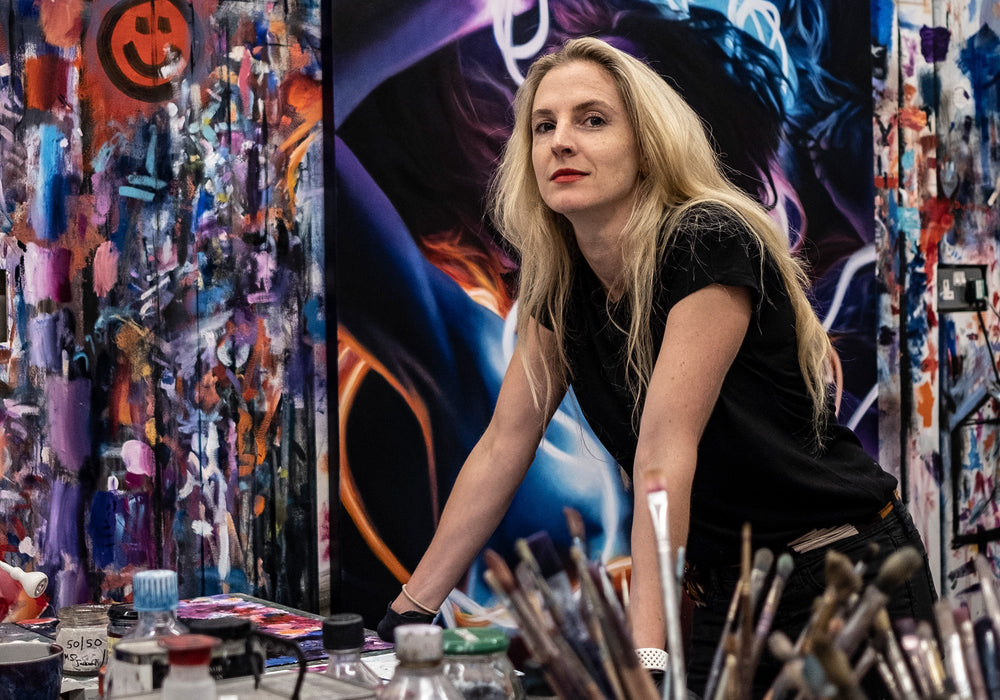
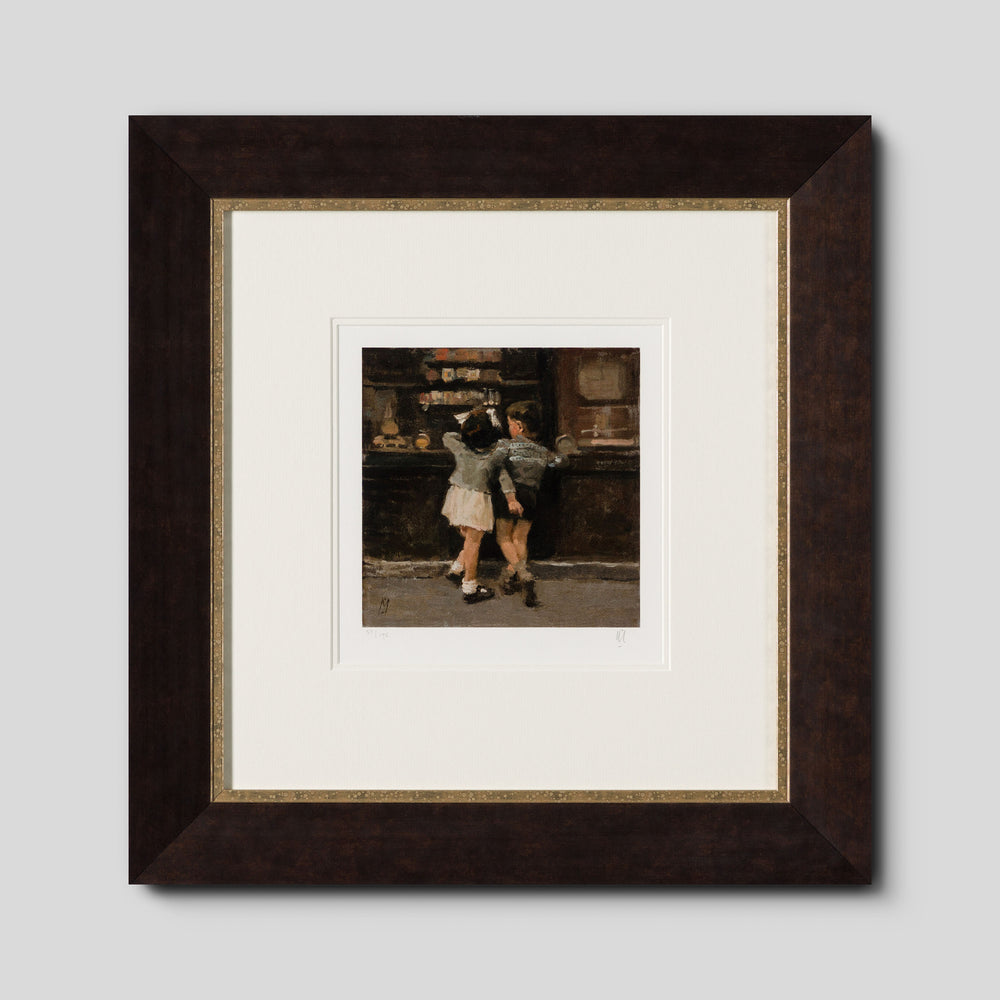
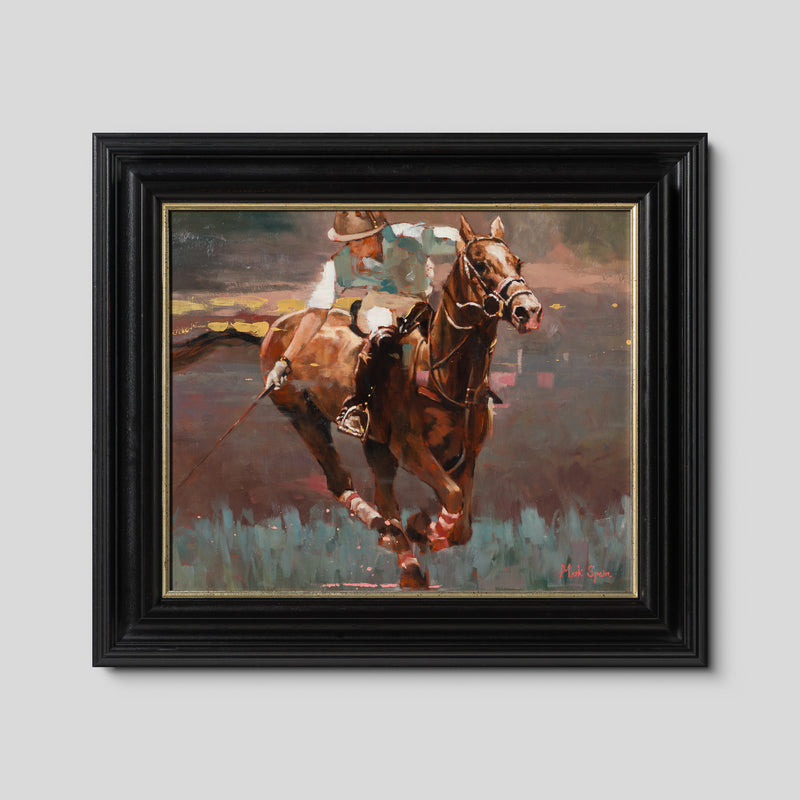
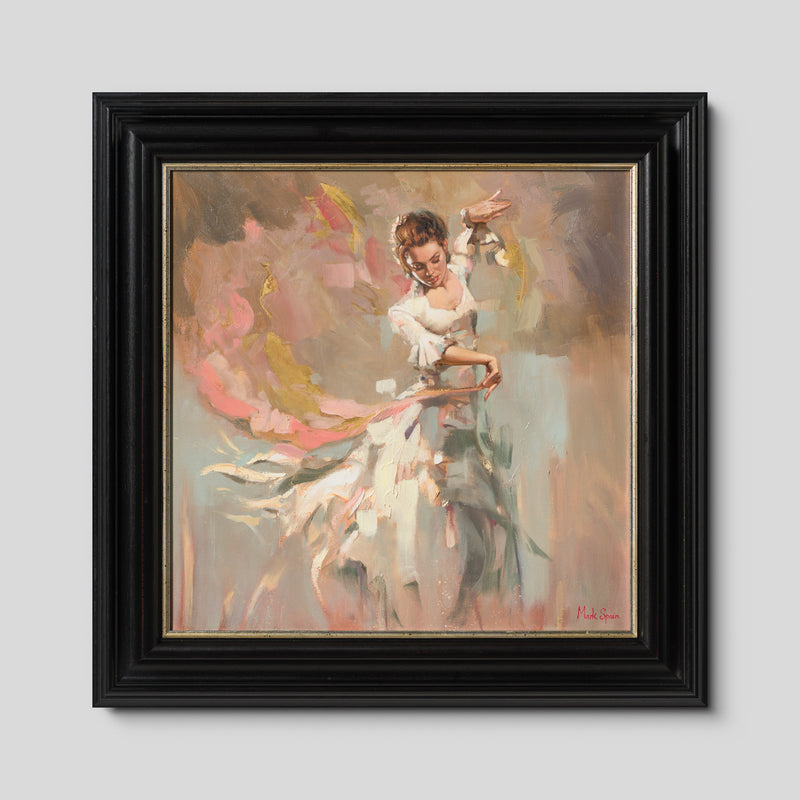
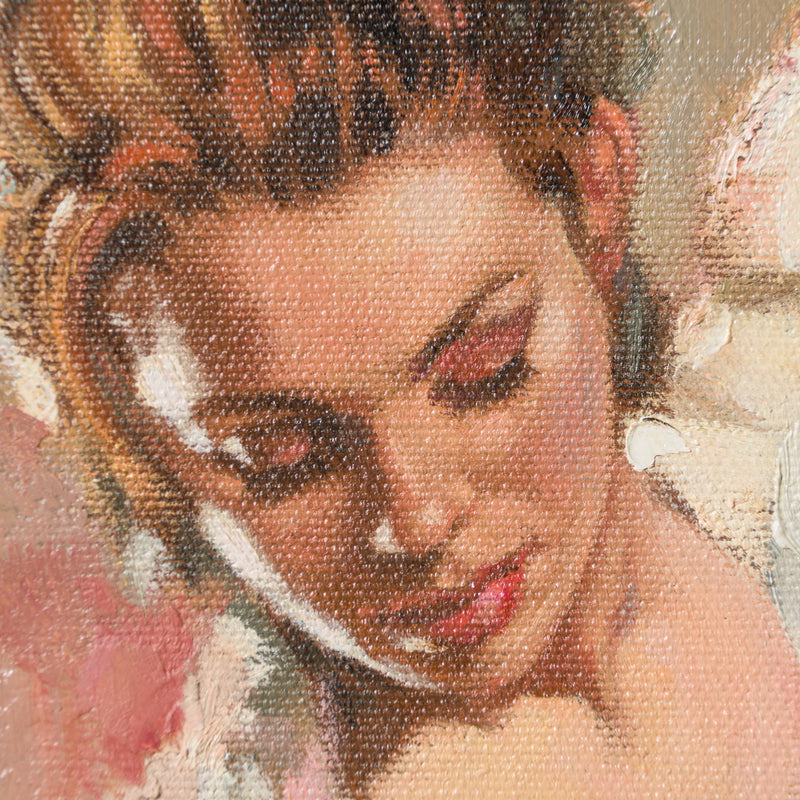
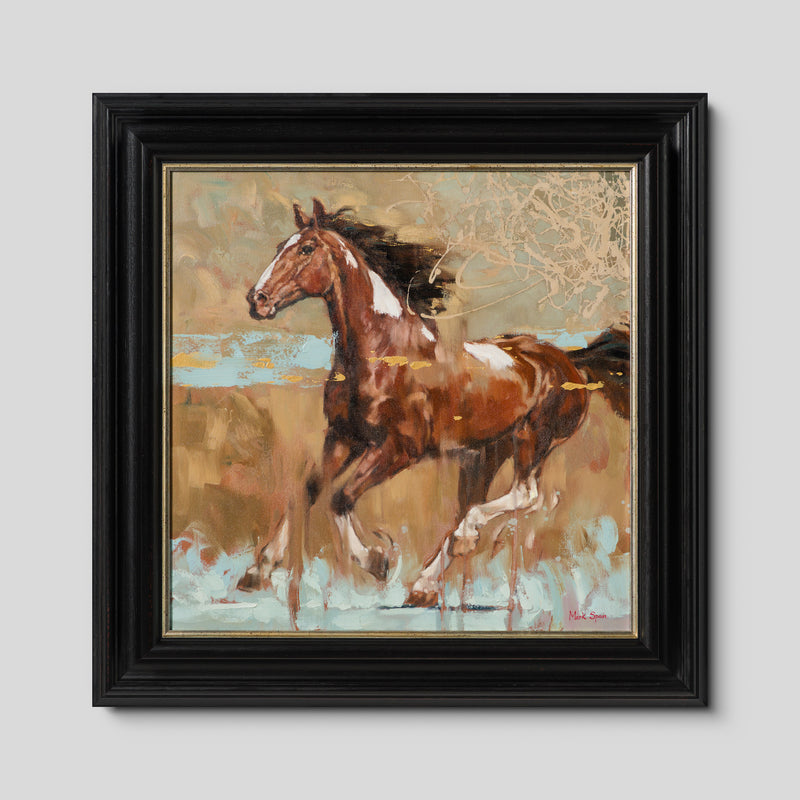
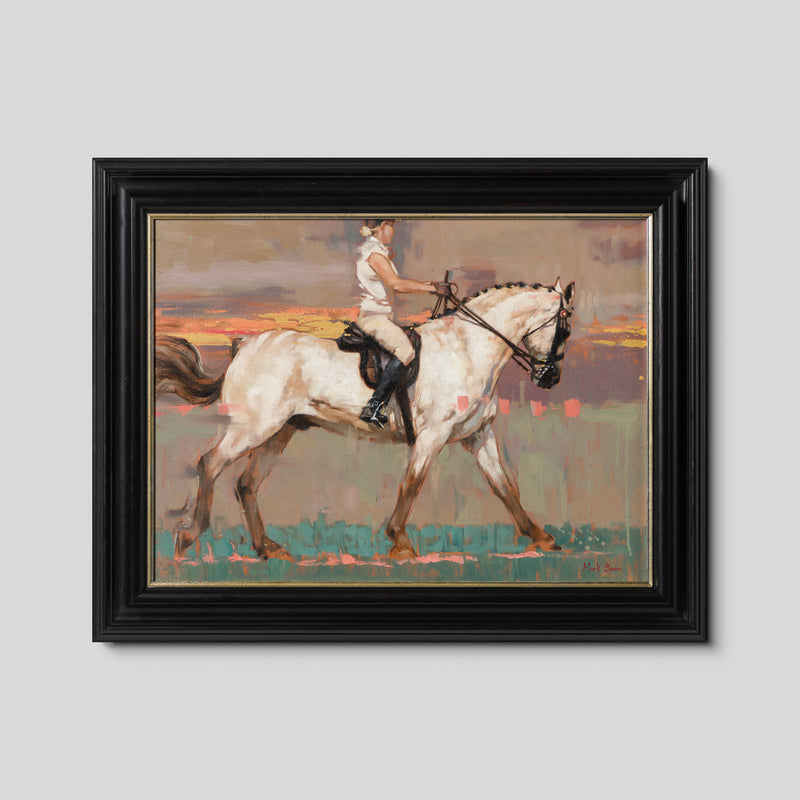
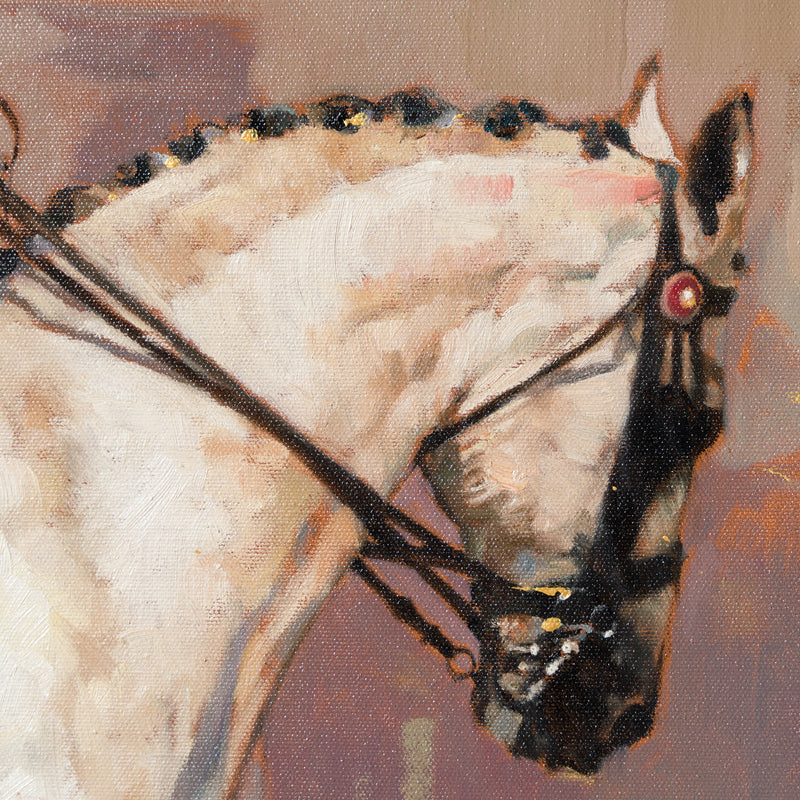
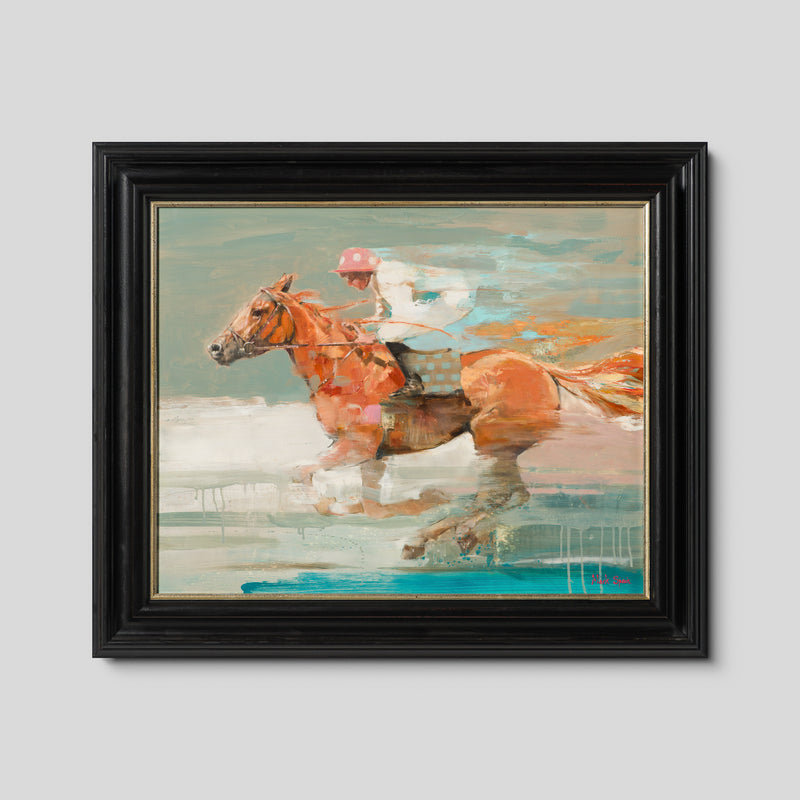
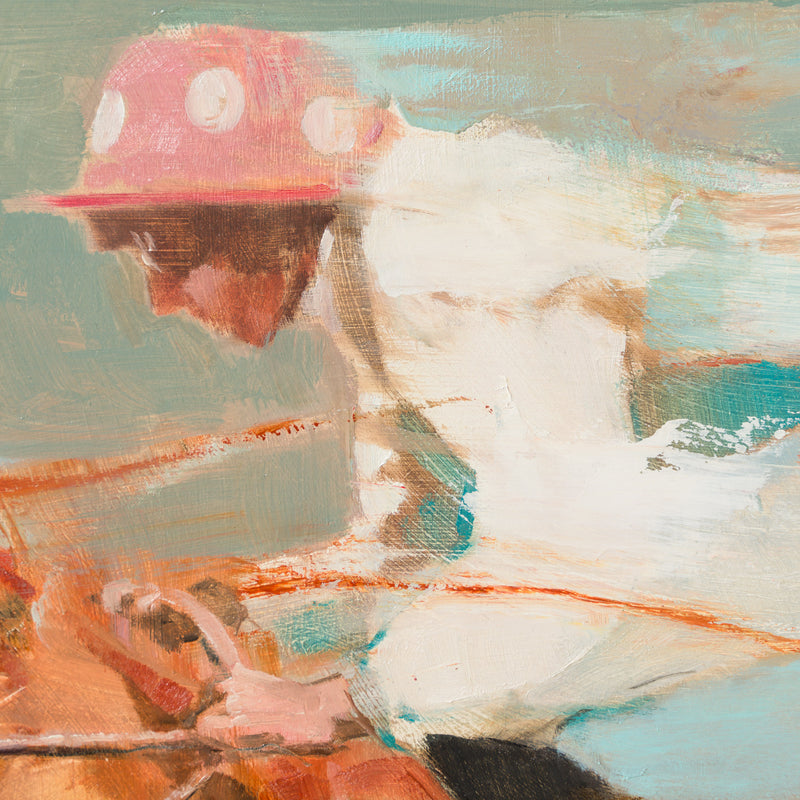
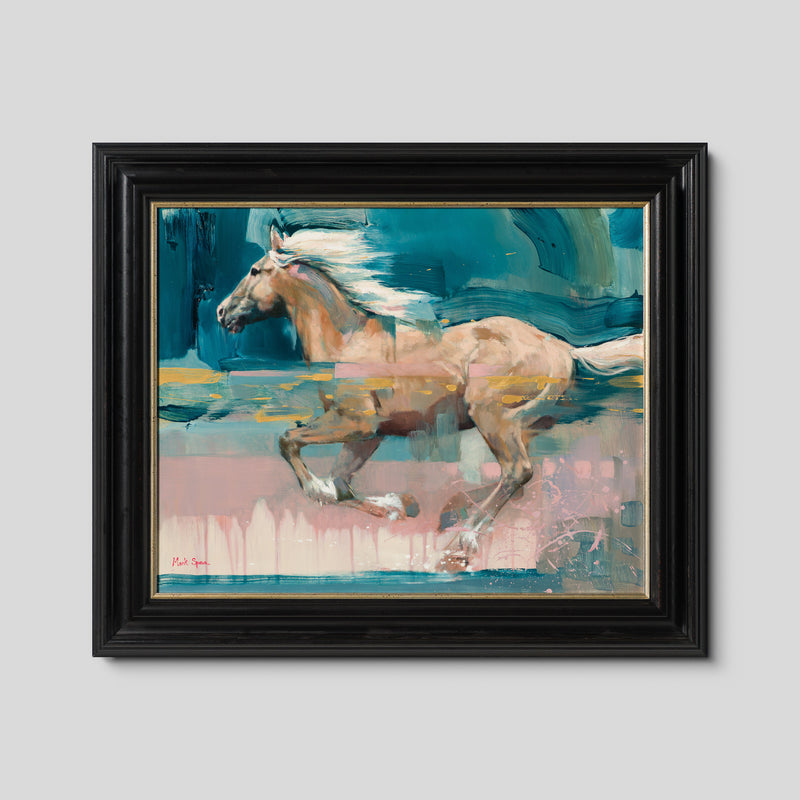
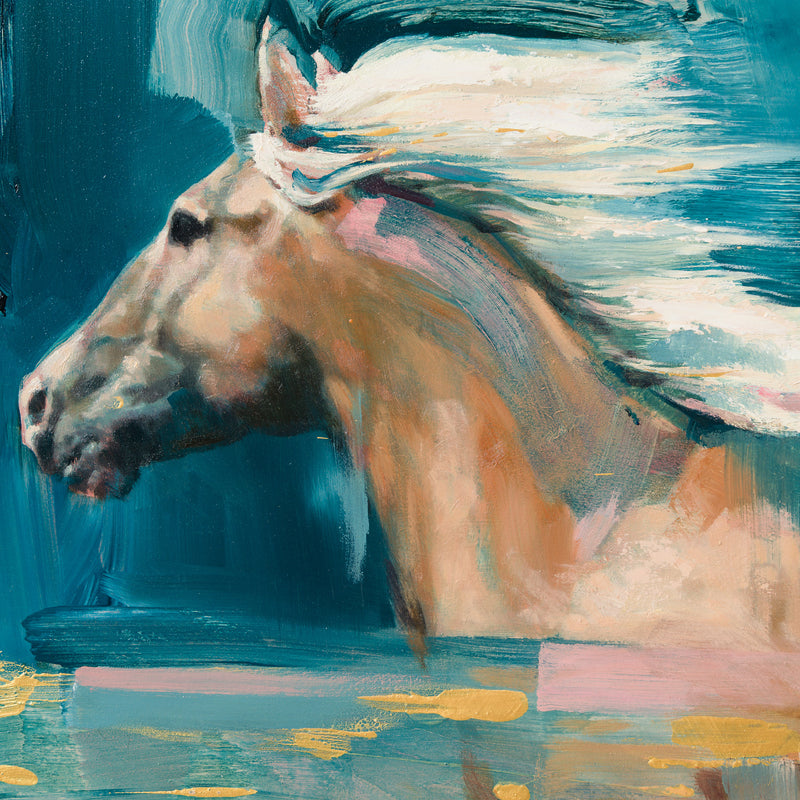
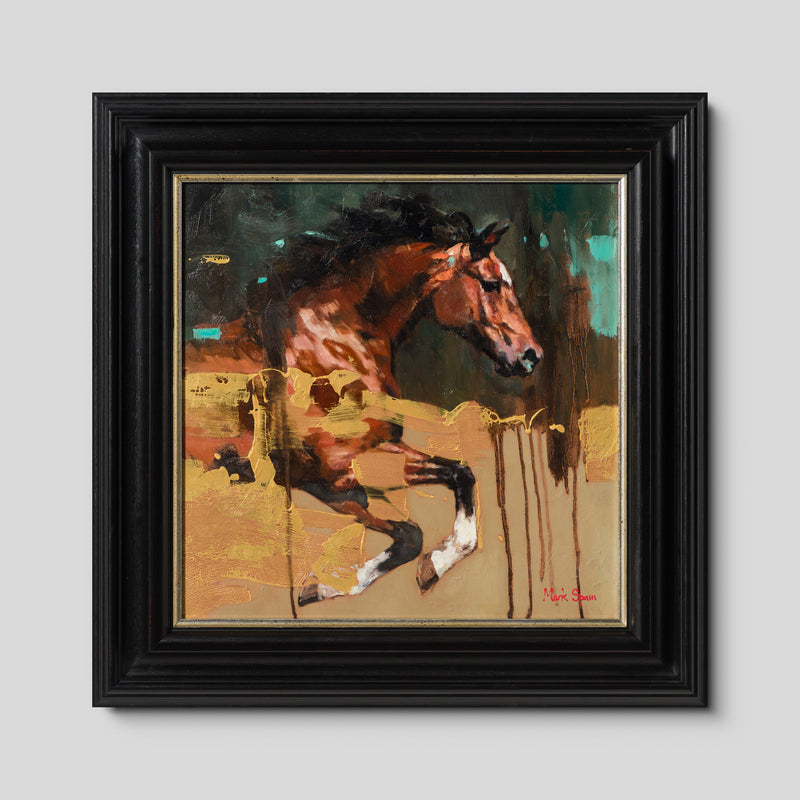
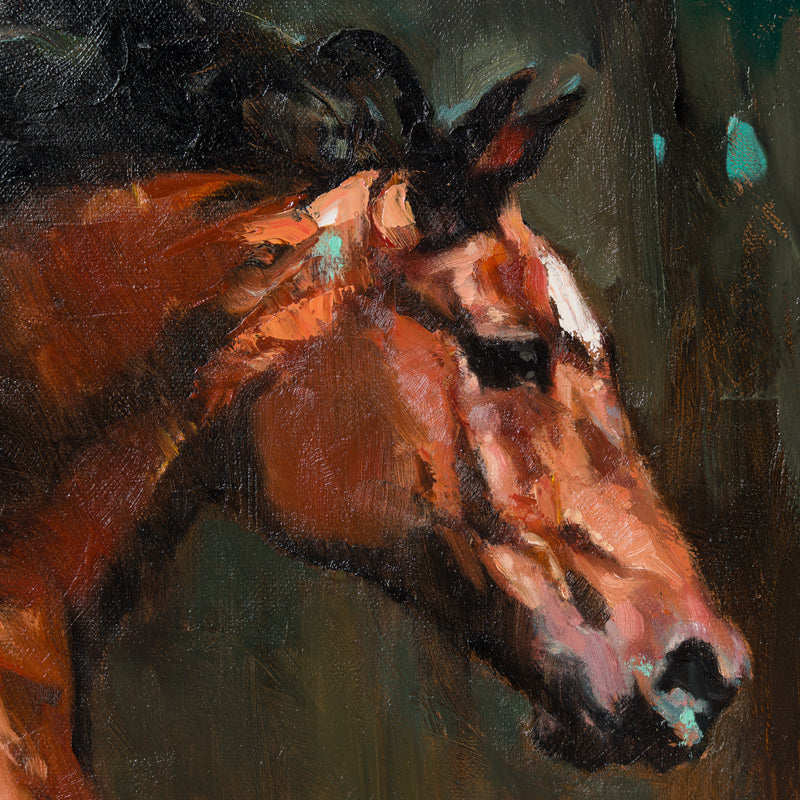
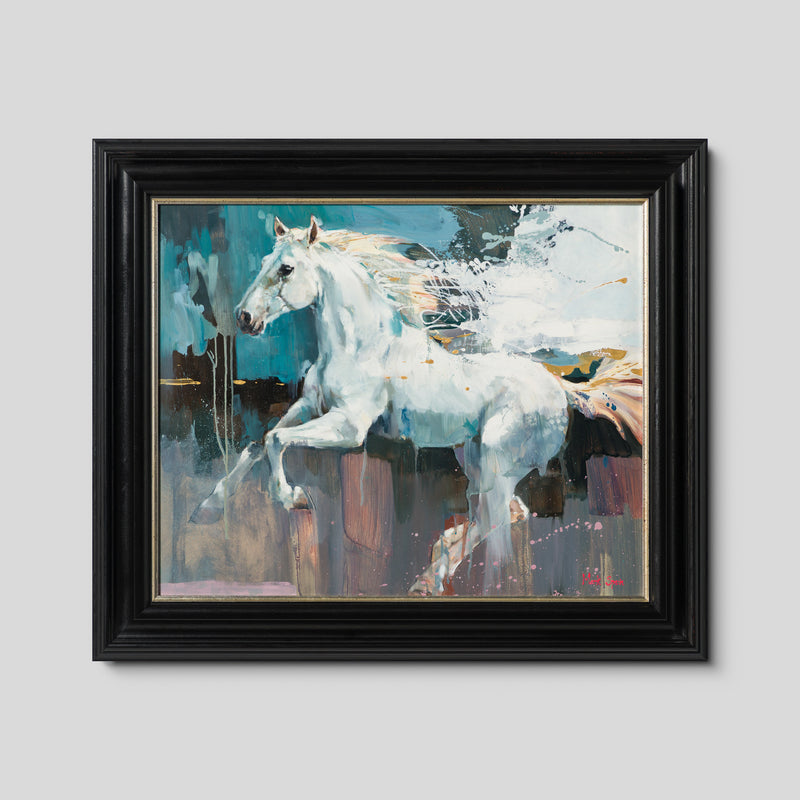
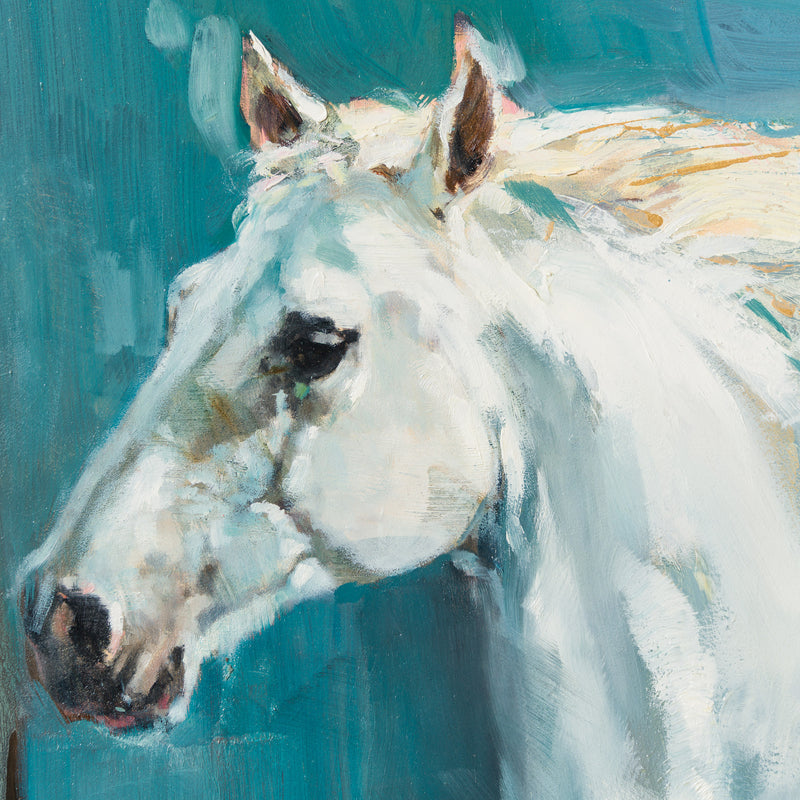
One of the UK's longest-established contemporary figurative artists, Mark Spain is celebrated for his distinctive use of rich, dramatic colour and expressive compositions. From female figures to dynamic equestrian subjects, Spain’s cinematic oil paintings capture fleeting moments with unmistakable human warmth. The contemporary figurative painter combines technical precision with expressive freedom, creating artworks that feel sophisticated yet alive with light, energy and movement.
No products match those filters.
Mark Spain | Original
Mark Spain | Original
Mark Spain | Original
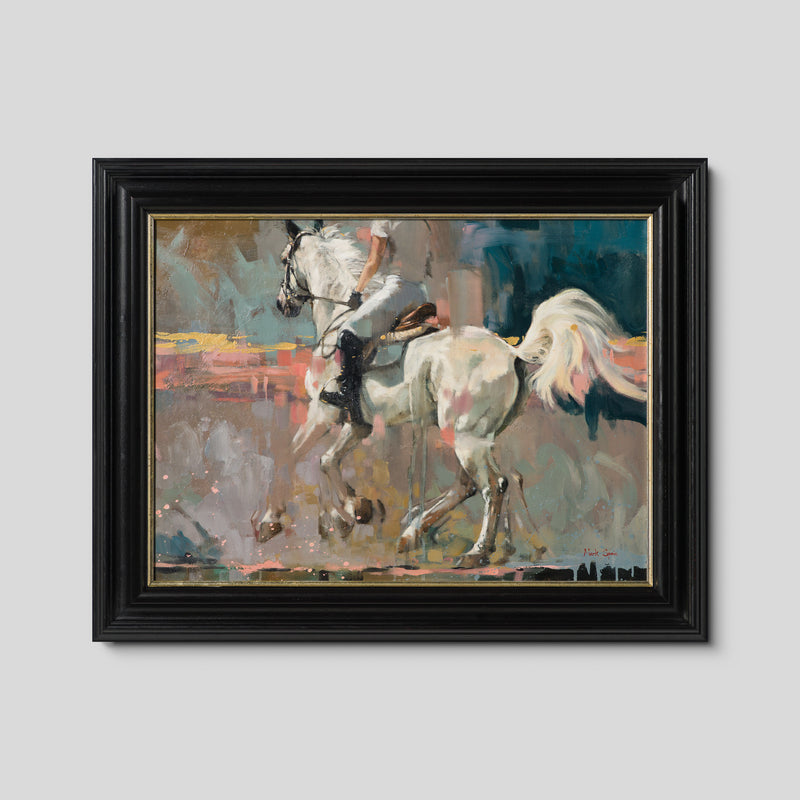
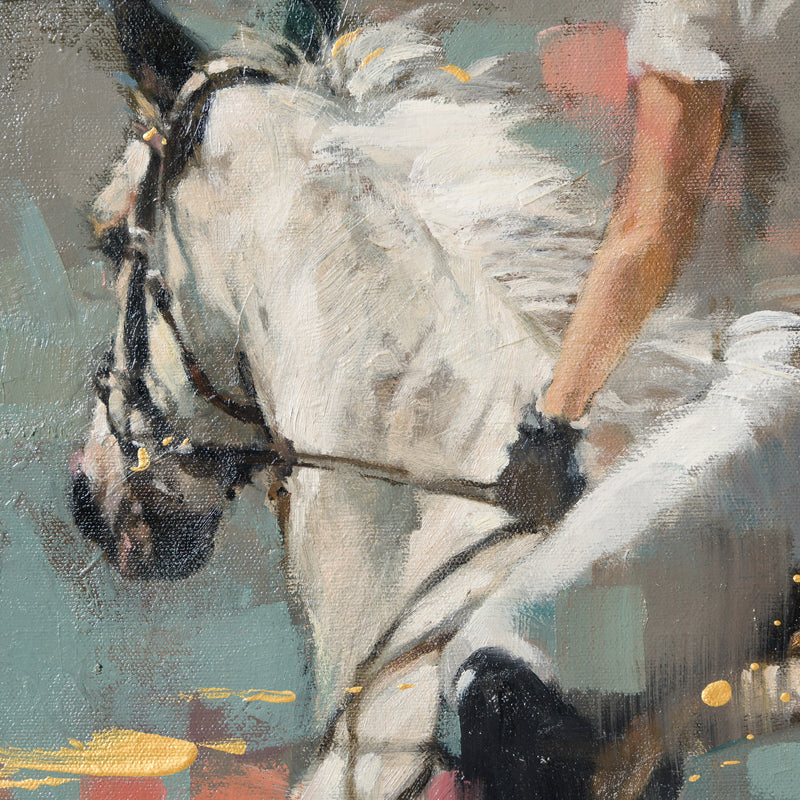
Mark Spain | Original
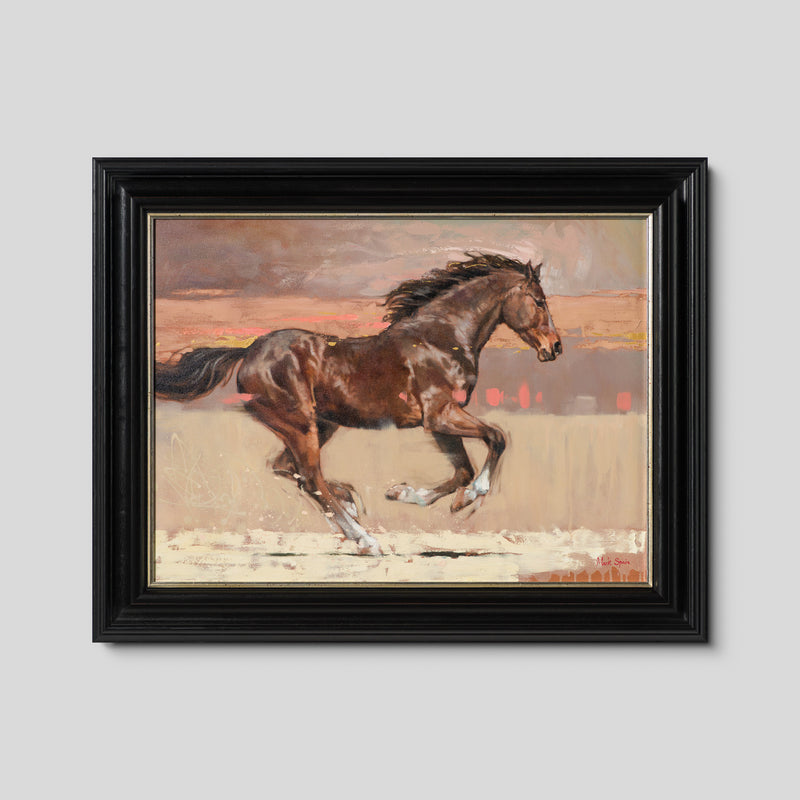
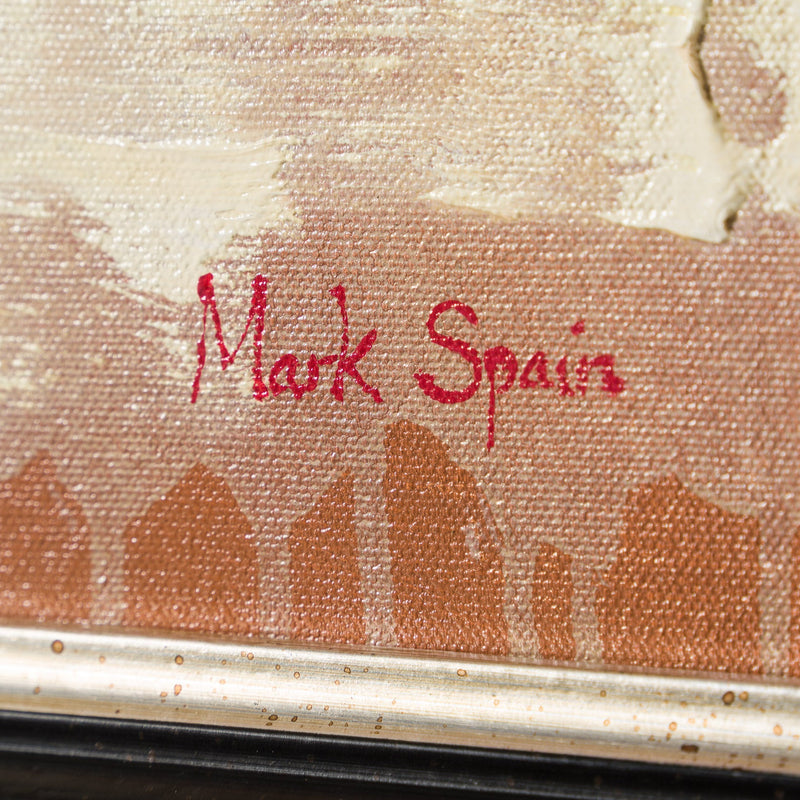
Mark Spain | Original
Mark Spain | Original
Mark Spain | Original
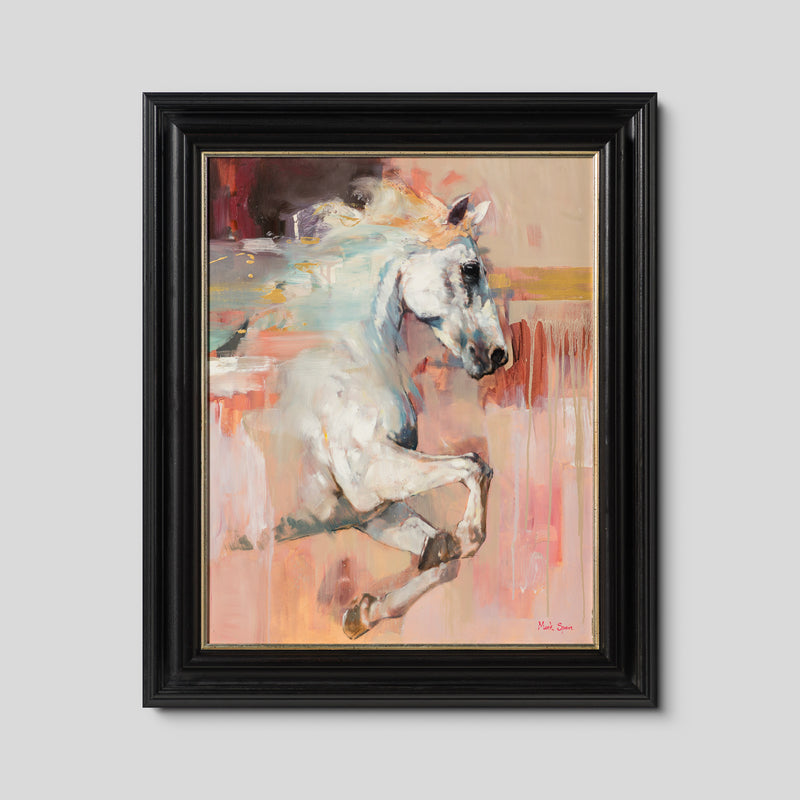
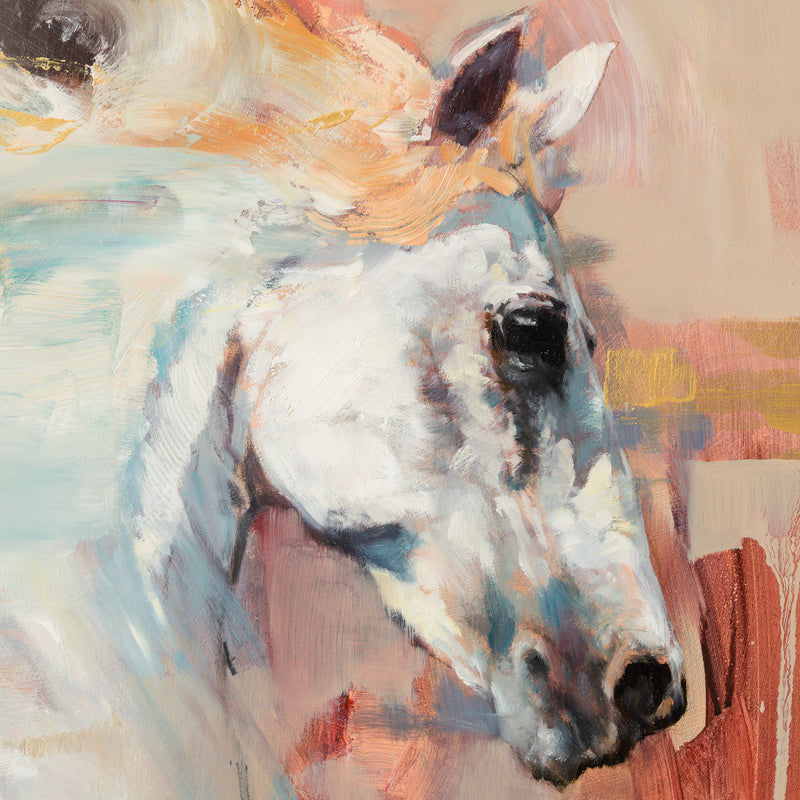
Mark Spain | Original
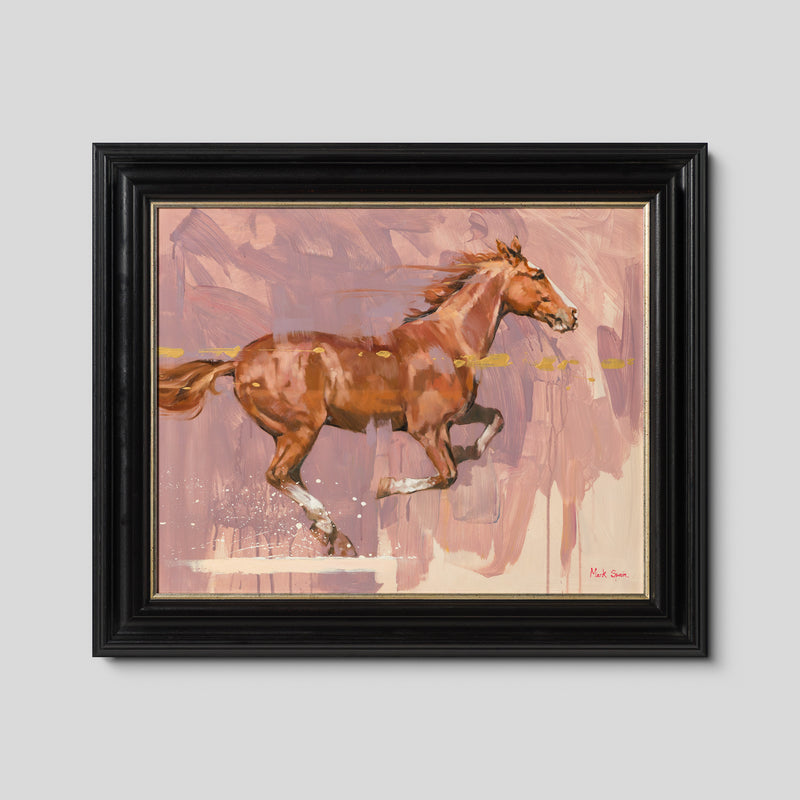
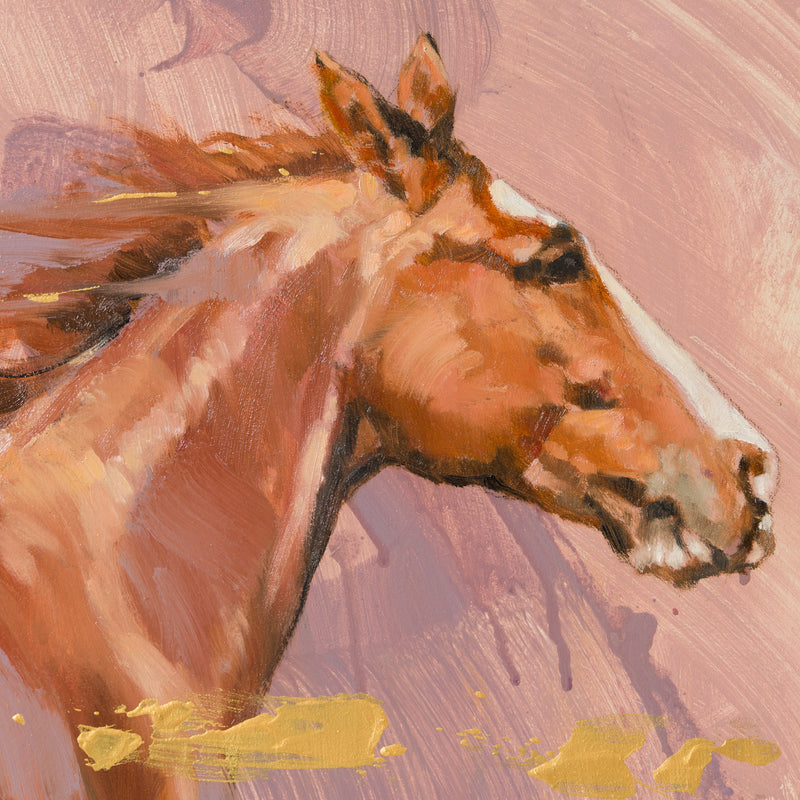
Mark Spain | Original
Mark Spain | Original
Mark Spain | Original
Mark Spain | Original
'The light gives everything form.'
The artist
Mark Spain
United by a cinematic atmosphere and energetic, instinctive brushwork, his dynamic equestrian and female figure paintings reflect both sides of the artist’s practice: technical control and creative freedom. Together, these qualities reveal an artist whose work is in a constant state of evolution.
You may also like
Mark Spain | Original
Mark Spain | Original
Mark Spain | Original
Mark Spain | Original
Mark Spain | Original
Mark Spain | Original
Mark Spain | Original
Mark Spain | Original
OUR ARTISTS
SIMILAR ARTISTS

Alan Somers
DISCOVER MORE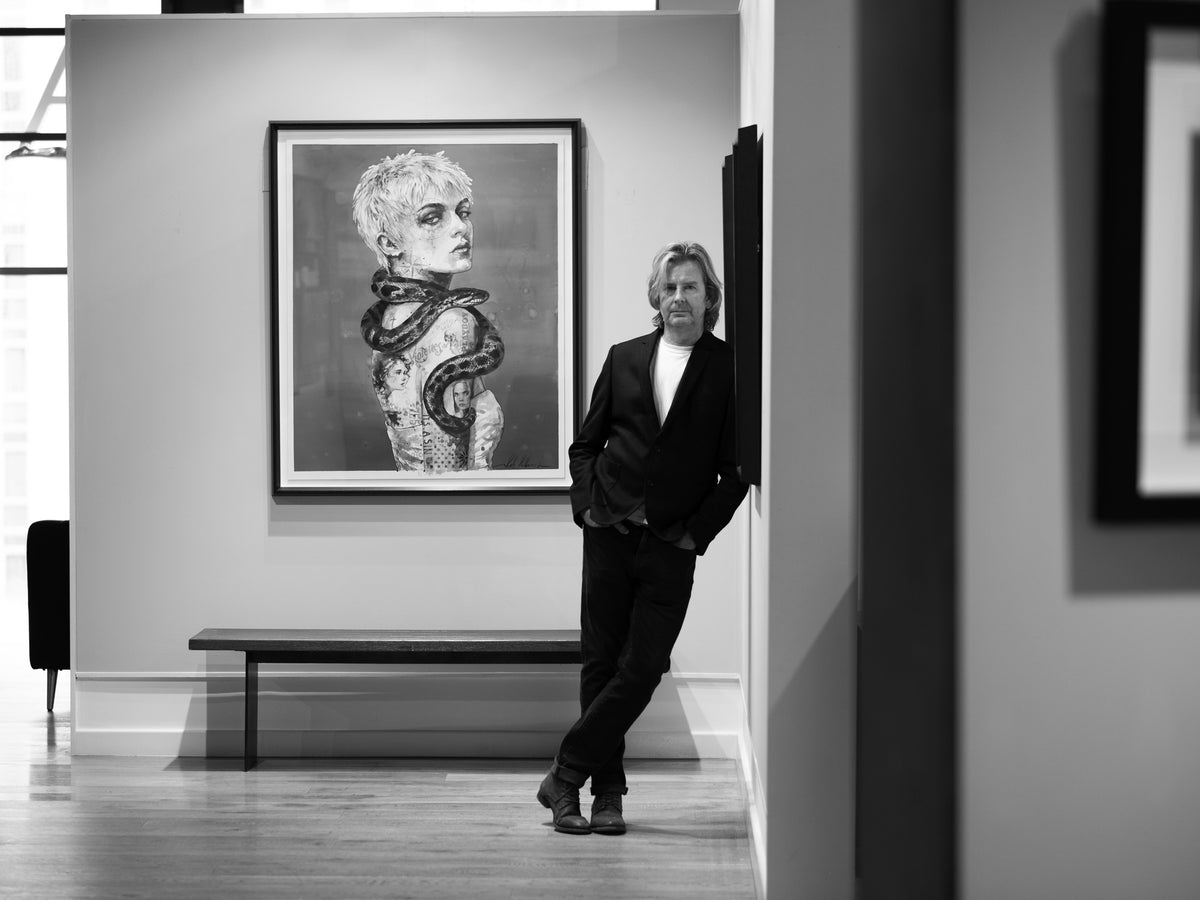
Rob Hefferan
DISCOVER MORE
Pascale Taurua
DISCOVER MORE
Armandie Haywood
DISCOVER MORE
Bob Dylan
DISCOVER MORE
30 years of fantastic art
In 1995, we opened our first-ever gallery in Stratford-upon-Avon. With just one goal in mind - to make our art accessible to all - our fledgling company began to spread its roots.

Craftsmanship and Quality
Every piece of art is mounted, glazed or framed by hand, with our bespoke framing service selected by our creative department.

Built to last
Our foundations are built on a passion for art, and many of our staff (and collectors!) have been with us from the very beginning.

Free Delivery
Free UK delivery on all artwork and sculpture orders