
Little art with a big impact: the rise of miniature art
From the wearable miniature portraits of the Victorian era to the social media trends of today, miniature art has captured our fascination for centuries. Born from a combination of extraordinary craftsmanship, a wealth of patience and a remarkable eye for detail, these tiny artworks offer us the opportunity to pause and take the time to absorb every minute detail.
Miniature artists are always pushing the boundaries of their craft, creating detailed paintings the size of a fingernail, or even carving sculptures that can only be seen through a magnifying glass.
Here we set foot into the big world of miniature art, exploring how the history of the style is inspiring the artists of today.


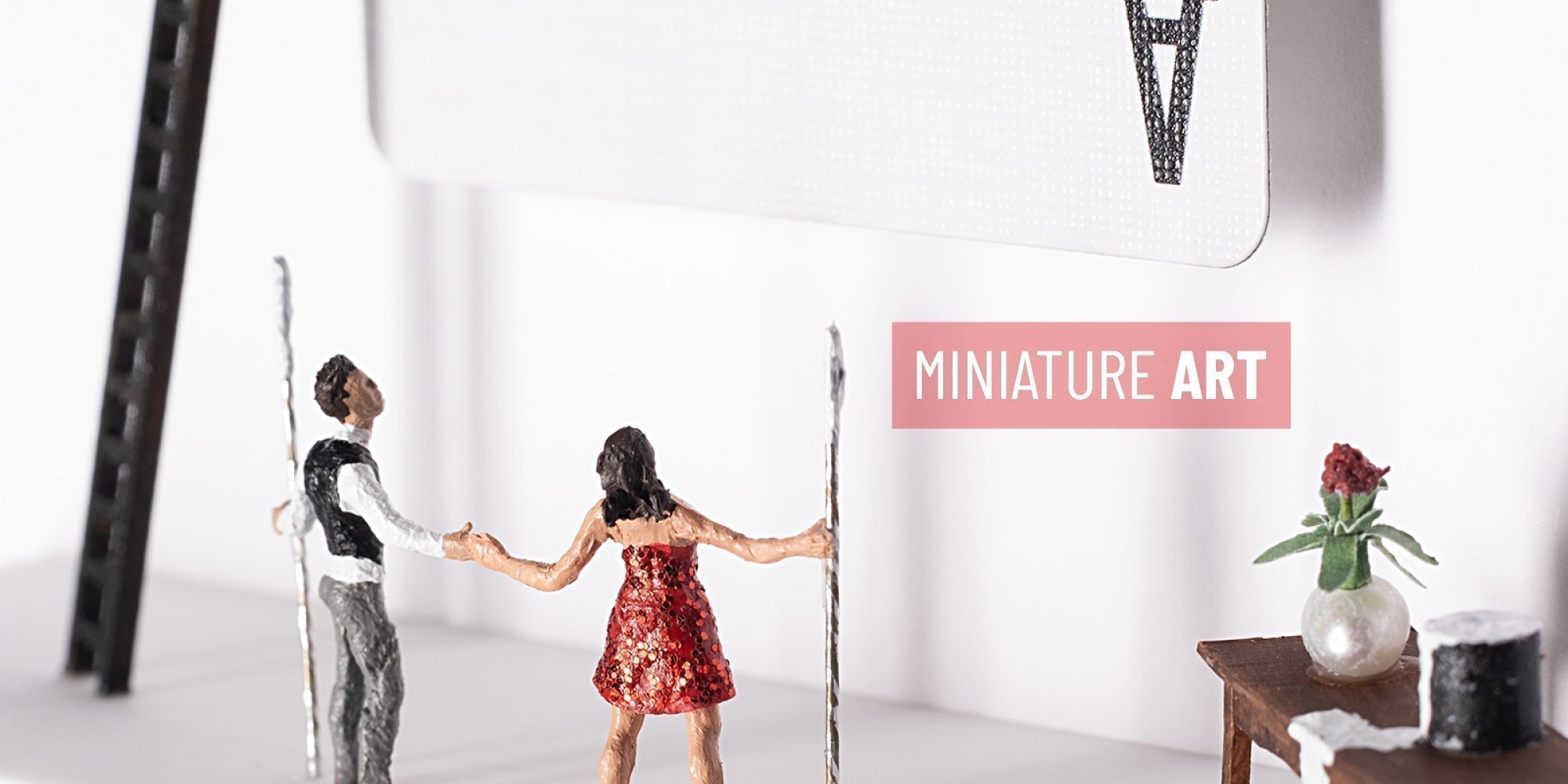
Featured art: 'All You Need (Collector's Edition)' and 'Heart Beat' by Nic Joly.
A little history of miniature art
Miniature art has been a part of our world for hundreds of years. In the 15th and 16th centuries, Gothic boxwood miniatures – small Christian wooden sculptures – were all the rage, while in the 19th century, American portrait miniatures were painted in watercolours on ivory. In 1822, the French inventor Louis Daguerre unveiled one of the earliest examples of virtual reality when he presented the diorama: a multimedia, theatrical experience that brought vast landscapes to audiences on a much smaller scale.
Famous miniaturists – artists who paint in great detail on a small scale – include the Renaissance painter and goldsmith Nicholas Hilliard (1547-1619), who is best-known for his tiny portraits of Elizabeth I and members of the Royal Court. The Egyptian-born artist Hagop Sandaldjian (1931-1990) scaled things down even further, carving the Turkish volcano Mount Ararat into a grain of rice, and Disney characters including Snow White inside the eye of a needle. Today, the world’s smallest painting is ‘Mini Lisa’, a replica of Leonardo da Vinci’s masterpiece that is a third of the width of a human hair.
Why miniature art could be perfect for you
Easily styled in the home, miniature art is well suited to less conventional styling methods, including ‘mantlescaping’, where art and other decorative accessories are styled together around a fireplace to give a curated, luxury feel. Smaller, intricately detailed artworks – especially those with sculptural or textured elements – lend themselves to being styled on a mantle, easel or bookshelf, giving the viewer time to consider every detail.
Miniature art could also benefit your brain: an article by the University of Arizona notes that viewing and analysing objects stimulates us, with our brains ‘discerning familiarity and meaning from patterns, abstract forms and incomplete information’. This is supported by the theory of embodied cognition, which suggests that we place ourselves within an artwork, turning actions and movements within the painting or sculpture into emotions and sensations we can feel, such as the heat of the sun or grass beneath our feet.
Nic Joly’s tiny world
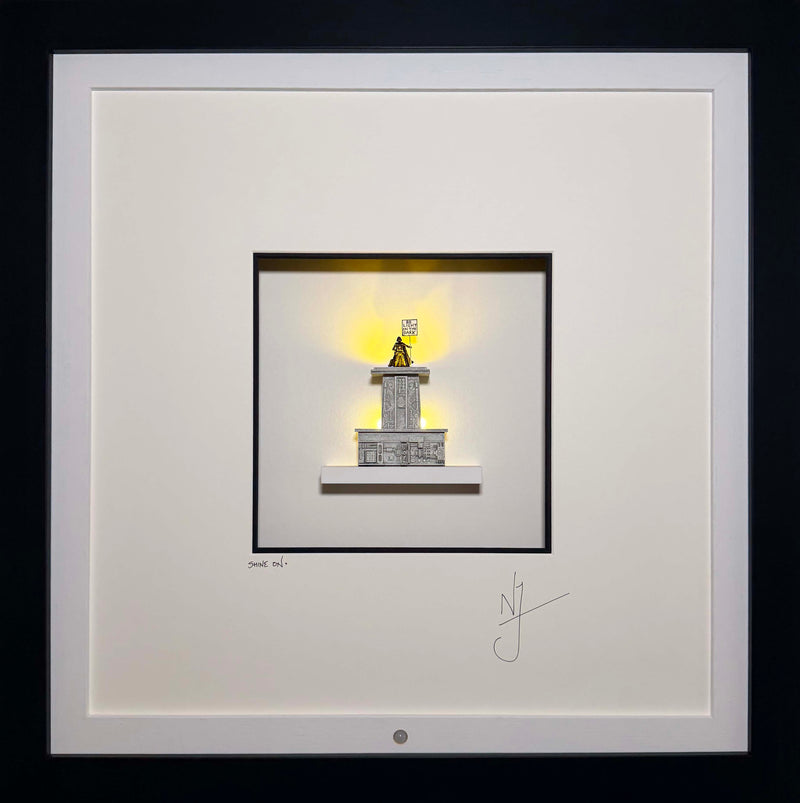
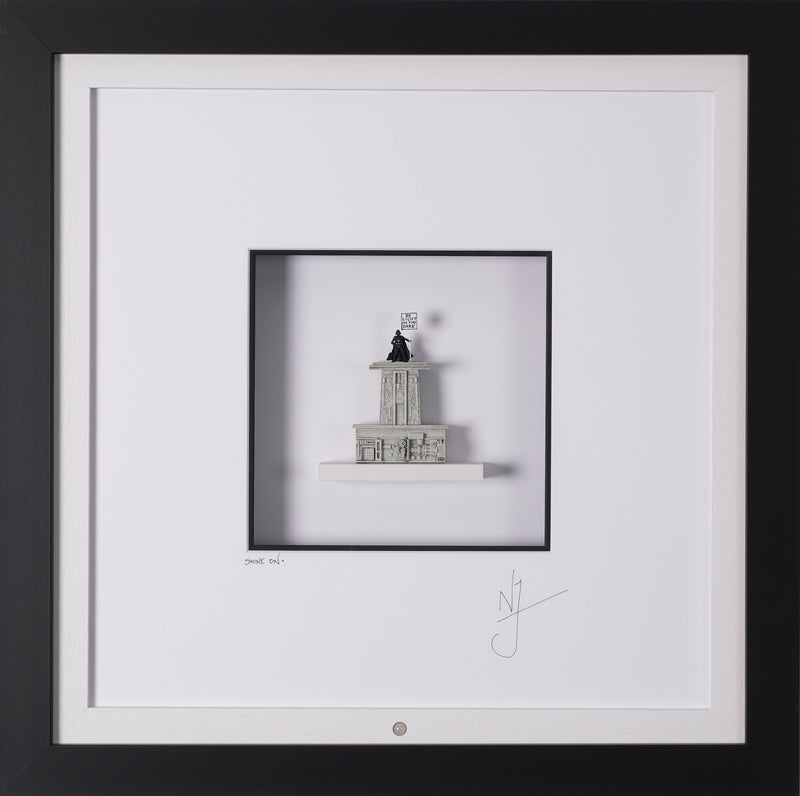
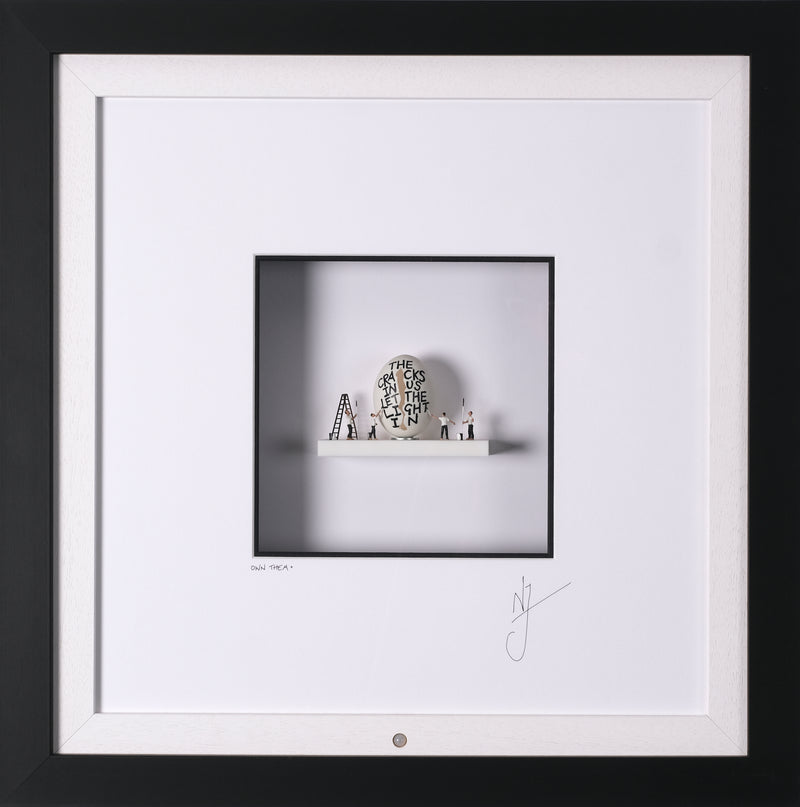
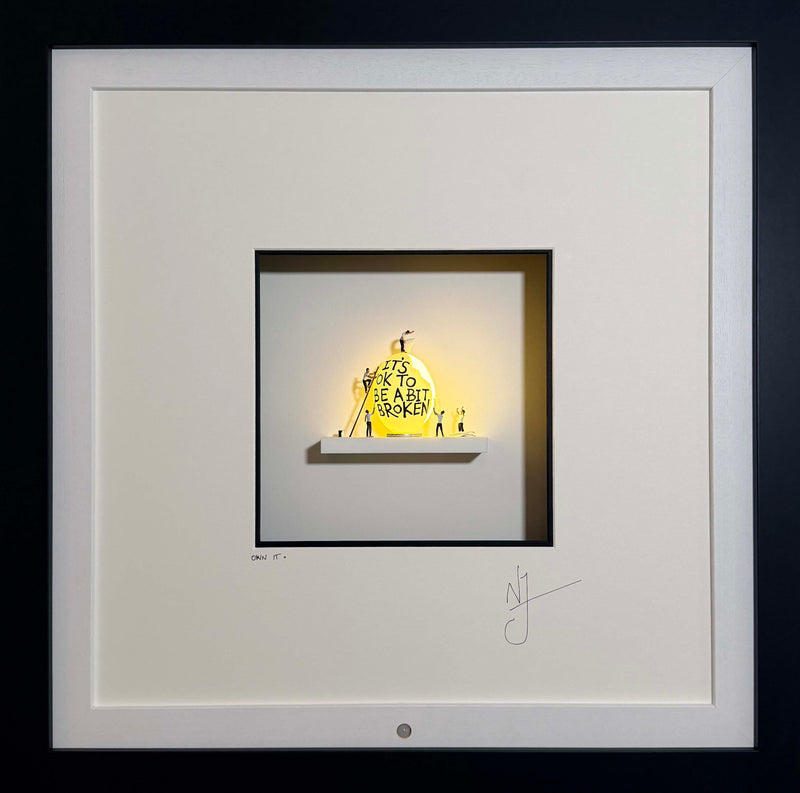
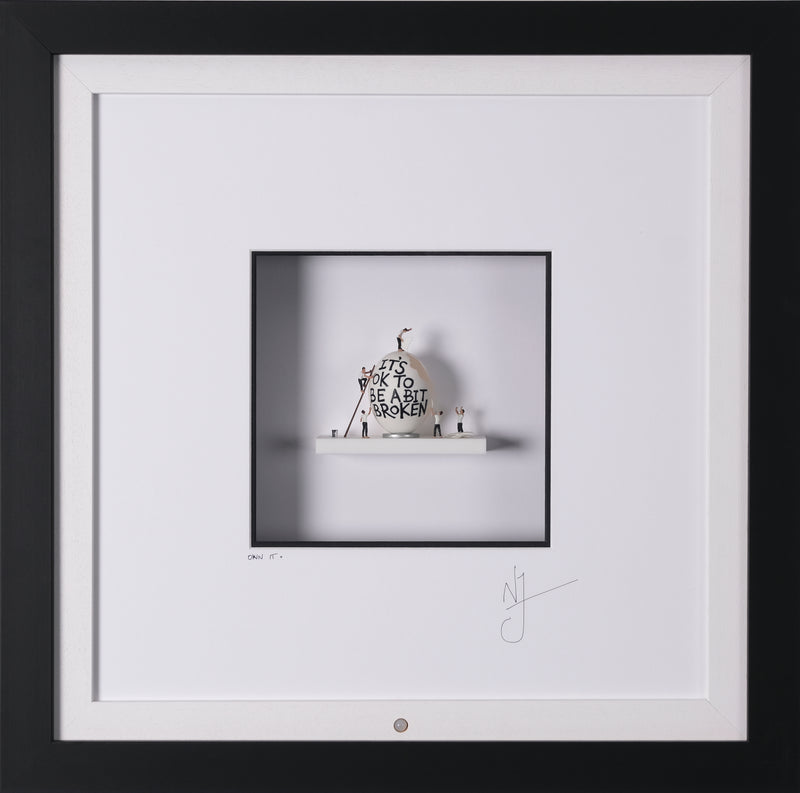
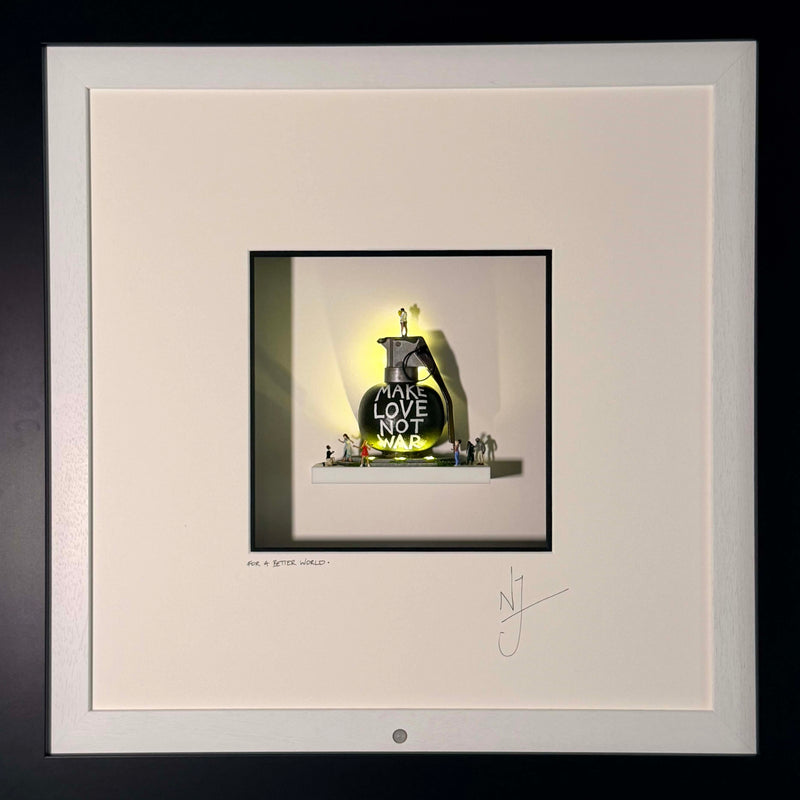
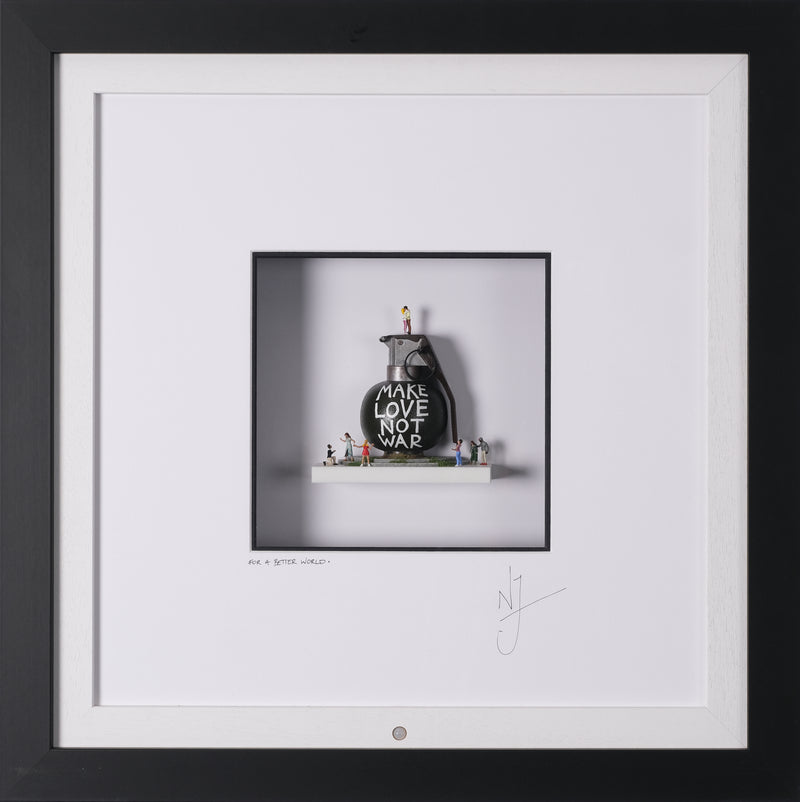
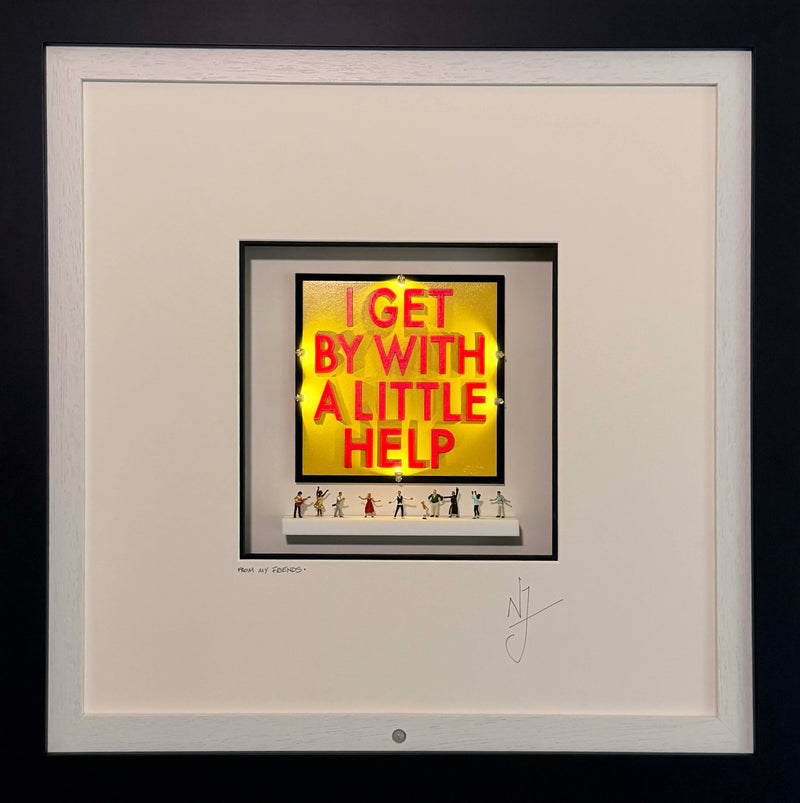
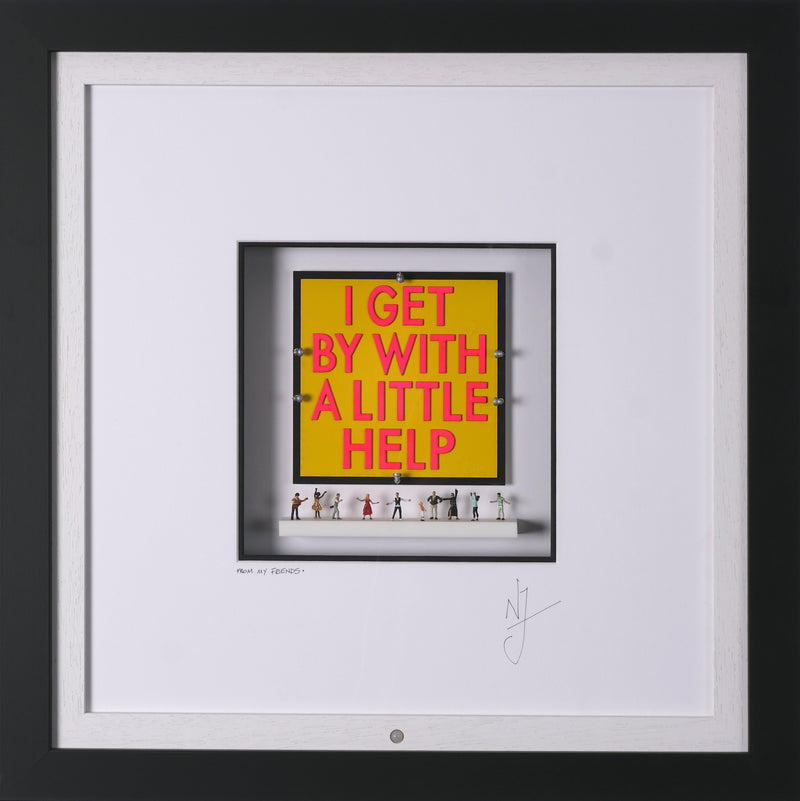
Former furniture designer Nic Joly is renowned for his incredible craftmanship, which sees him construct miniature figures, buildings, foliage and more using materials from across the globe. Inspired by the fiendishly intricate creations of the Early Netherlandish artist Hieronymus Bosch and the Dutch and Flemish Renaissance painter Pieter Bruegel, Nic constructs a rich narrative by incorporating lots of tiny components.
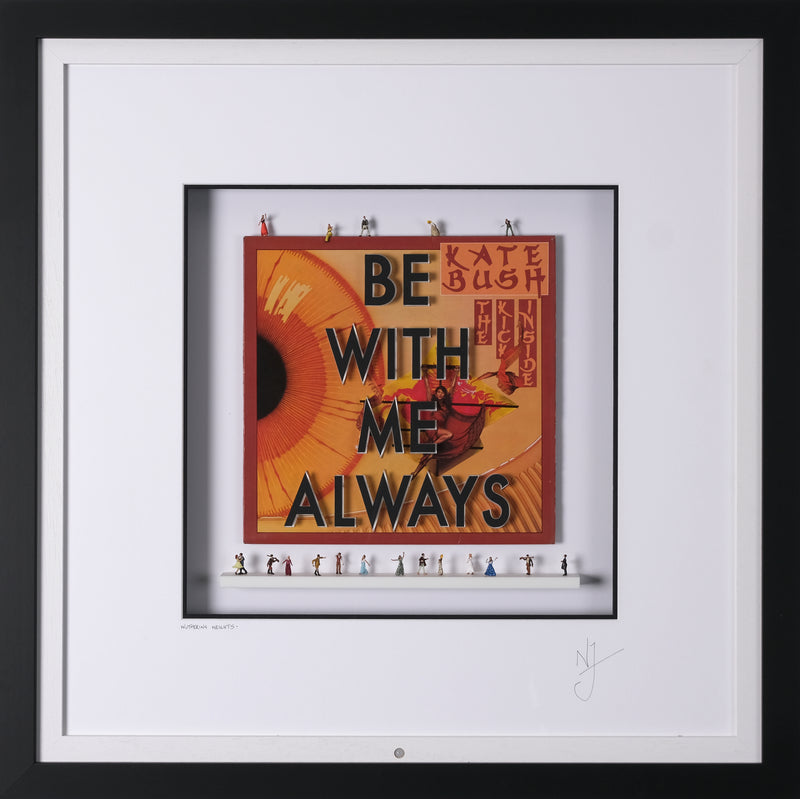
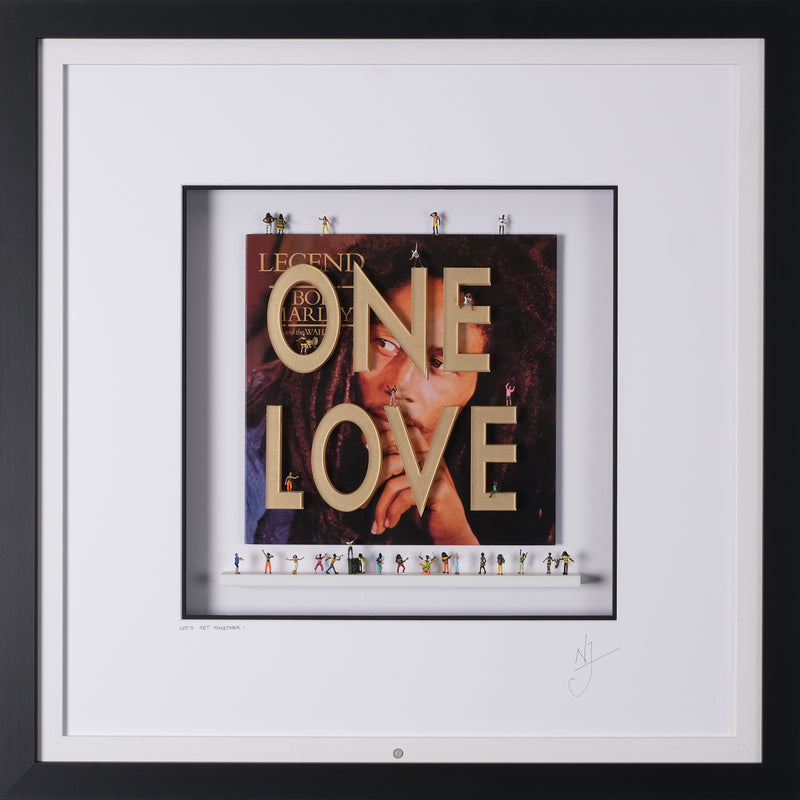
Tackling topics like love, sex, religion, mental health and war in a touching and humorous way, Nic’s miniatures make difficult subjects feel accessible. In addition to these themes, the artist references some of the most iconic albums and songs in recent decades, instilling his miniature worlds with their influence and cultural impact.