
The History of the Pop Art Movement
Arguably the most influential genre in modern art, pop art’s impact on culture as we know it is undeniable. A pivotal moment in art history, the mid-century art movement saw artists like Warhol, Lichtenstein and Haring turn their subjects into icons, from Hollywood stars and comic book characters, to dancing dogs and supermarket staples. The genre blurred the lines between traditional fine art and consumer culture, making art feel more accessible and relevant to the wider population.
We observe pop art’s influence in many aspects of modern life, whether realising it or not. Be it advertising, fashion, street art or tattoos, the genre’s vibrant colours, graphic style and cartoon-inspired aesthetic radiate into every corner of contemporary pop culture.
Paving the way for artists today, pop art changed the art scene forever. Here we explore how the genre’s influence has shaped the work of contemporary artists.

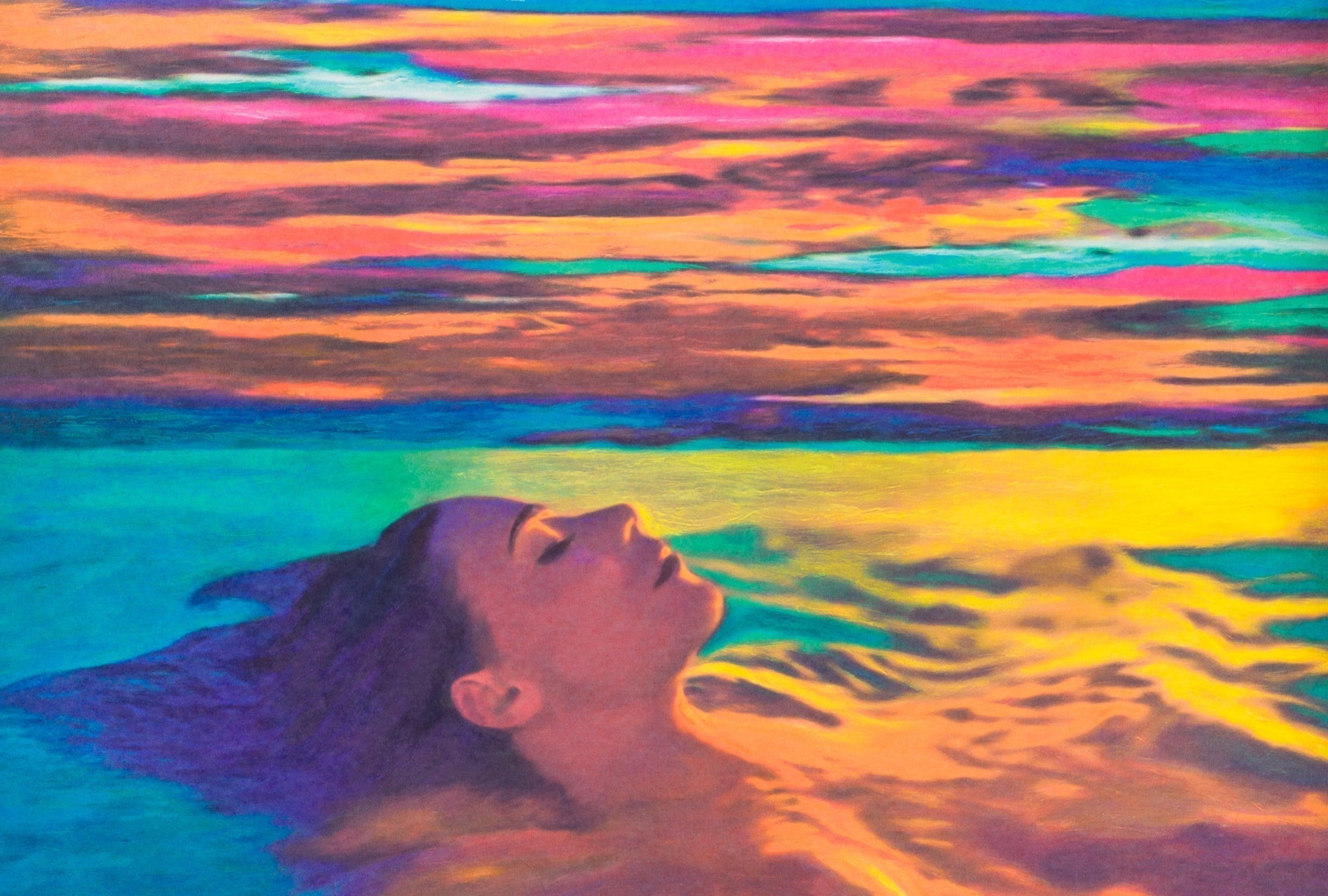
Featured Art: ‘Women in Water | Grace Kelly’, 'Women in Water | Marilyn II' and 'Women in Water | Marilyn I' by James Francis Gill.
Origins of Pop Art
Bursting onto the art scene in the late 1950s and flourishing into the 1960s, pop art emerged as a lively reaction to the seriousness of Abstract Expressionism, which had dominated the art world. Rather than focusing on the inner self or purely abstract forms, pop artists turned their gaze outward, embracing the fast-moving commercial culture of the decade. From advertising and comic books to Hollywood icons, consumer goods and mass media, the genre embraced the bold visual language of everyday life in the 60s.
Among some of the most recognisable names in pop art such as Warhol and Lichtenstein, James Francis Gill pioneered the movement’s conception in the 1960s, carving out his own unmistakeable voice. Gill drew inspiration from magazines and photography, channelling the bold graphics and restless energy of the era into portraits that still feel strikingly fresh today.
Gill’s vibrant interpretations of his most famous muse, Marilyn Monroe, capture the glamour and allure of the icon alongside the vulnerability behind her public persona. His Marilyn Triptych, depicting three stages of her troubled relationship with stardom, was completed in 1962 and acquired by the Museum of Modern Art in New York just weeks later. It remains in the museum to this day, securing Gill's place in pop history.
Yet Gill’s work extends far beyond Monroe. His canvases blend expressive brushwork with vivid blocks of colour, balancing the surface sparkle of popular culture with deeper psychological undertones. In his Women in Water series, Gill takes us on a journey through the fleeting beauty of human experience. A reflection of his own life, his pop sensibility and his enduring artistic vision, this collection presents water as a projection screen for desire and allure, reminiscent of pop art itself.

Featured Art: ‘Women in Water Mini III' and ‘Women in Water | Colourful Horizon’ by James Francis Gill.
Pop Art in its Prime
Pop artists showed that inspiration could come from anywhere. Artists would often remove their subject from its original context to provide it with new meaning, proving that even a humble can of soup could become the symbol of a whole art movement.
The vibrant palettes and emotive storytelling of comic books have influenced pop art throughout the decades, from the graphic imagery of Roy Lichtenstein’s 1963 ‘Crying Girl’ to Rich Simmons’ 2025 Between the Capes collection. Lichtenstein paved the way for contemporary pop artists like Simmons, embracing art’s new commercial quality and creating pieces that felt more accessible due to their familiarity from comic books. Today, pop art is alive and kicking in the hands of British artist Rich Simmons who infuses pop with a rebellious punk spirit. His work is loud, playful, and often satirical – a reflection of modern life with all its contradictions.
Simmons draws inspiration from comic books, street culture, and storytelling, transforming the familiar into something strikingly new. Think superheroes reimagined, bold stencilled figures, and cultural commentary wrapped in neon hues.

Featured Art: ‘New York Times’ and ‘Reflections | Between the Capes’ by Rich Simmons.
Continuing Influence
The 1970s saw significant changes in politics, society and trends, so pop art had to evolve to reflect these seismic shifts. Taking advantage of the decade’s spirit of innovation, some artists began to push boundaries, experimenting with new subjects and mediums.
Popularised throughout pop art’s height in the 1960s, it was not until 1970 that American painter, sculptor and printmaker, Robert Indiana translated his iconic ‘LOVE’ imagery into sculpture for the first time. Displayed at the Indianapolis Museum of Art in the USA, the sculpture has been on continuous display at the museum since 1975. This, now internationally renowned, sculpture has been recreated by artists since its creation. This reinterpretation of the work embodies the foundations of pop art in making art accessible using familiar, everyday imagery. Indiana’s sculpture promoted peace, love and social change – concepts which modern recreations continue to emphasise.
Stepping Into the 1980s
A new era of pop art, coined Neo-Pop, bloomed in the 1980s. Based heavily on the original pop art movement, it was embraced by household names such as Keith Haring, Jeff Koons and Yayoi Kusama. The genre relied on social commentary, irony, boldness and nostalgia to engage with complexities of the time whilst maintaining the pop art spirit of the 1960s.
Haring’s influence held pop art in public attention long after the initial wave of excitement surrounding it had dissipated. Adapting the style to suit the changing trends of the new decade – including rising environmental awareness and the advent of the world wide web - he was inspired by street culture and art, making the pop art genre appeal to a new generation.
Leaning into the commercial influence of pop art, Haring created an advertising campaign for Absolut Vodka that introduced his art to a wider audience. This campaign inspired creative duo the Bisaillon Brothers to create their 2025 Urban Spirit collection, celebrating the artistic influence of some of the world’s most famous artists whilst exploring ideas of identity. Using recognisable bottle designs, the artists comment on how everyday products integrate into personal and public narratives, and their signature barcode imagery echoes pop art’s fascination with consumer culture.

Featured Art: ‘Urban Spirit | Tequila’ and 'Urban Spirit | Vodka’ by Bisaillon Brothers.
Contemporary Interpretations
Pop Art of the 1960s captured the hysteria at the dawn of the cult of celebrity, an issue that has only become more prevalent with the rise of social media. Modern artists like Graceland London are using tropes of the pop art genre to explore how these ongoing issues impact modern society.
Reminiscent of Richard Hamilton’s collage-style ‘Just What Is It That Makes Today’s Homes So Different, So Appealing?’, Graceland London’s work is a myriad of elements which come together to create an enthrallingly dark world for us to step into. Her use of bold, surreal colours and iconic logos is reminiscent of traditional pop art, whilst oil painted details are inspired by her fascination with the work of the Old Masters.
Influenced by centuries of art history, Graceland London’s artwork revolves around social commentary and contemporary issues. Focusing on themes of decadence and vice, her work echoes pop art’s fascination with consumer culture and its impact on society.

Featured Art: 'Playground' by Graceland London.
Each piece of pop art tells a story through its bold colour and vivid narrative, making it a brilliant way to add personality to your space. If you’d like to learn more about this enduring art style, talk to an Art Consultant or visit your local gallery.

Featured Art: ‘New York Times | Between The Capes | Red’ by Rich Simmons.