






Skip to content

Basket

Your basket is empty

Sign Up To Our Newsletter

Join our mailing list and unlock 5% off your first purchase, a birthday treat and more!

Recently viewed products

Article: Material world: how an artist’s medium reveals hidden meanings

banner useofdifferentmaterials

Material world: how an artist’s medium reveals hidden meanings

From animals in formaldehyde to COVID antigen tests, artists have used weird and wonderful materials to create art throughout history. Ancient civilisations would adorn themselves with animal bones, and many modern artists are incorporating recycled materials into their work to support environmentalism.

Whether the materials define the artwork, enhance the storytelling, or are chosen for texture and interest, they have been selected by the artist to serve a purpose. So, we must question what the materials symbolise and what the artist is trying to convey with them. Breathing new life into age-old materials, artists take risks and push boundaries to constantly innovate new techniques, adding layers of depth and meaning to their artwork.

Here we will dive into the world of materials, exploring the context behind the mediums of some of our own artists.

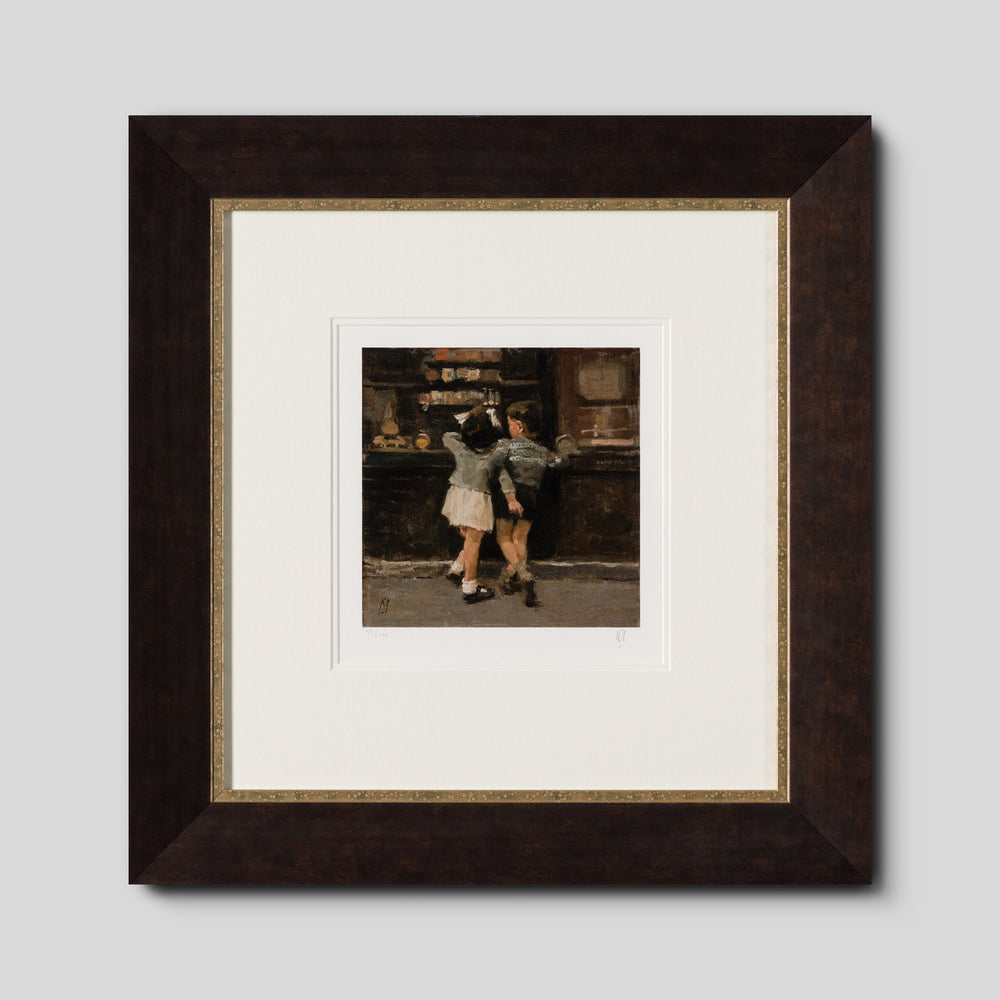
Featured Art (L-R): 'All You Need (Collector's Edition)' by Nic Joly


Textiles

Textile art has been around almost as long as civilisation itself due to an innate human desire to express ourselves through our clothing. Adding beads, embellishments and pattern to blankets and clothes, people of ancient civilisations paved the way for modern textile art. Everything from resourceful war-time fashion to the ‘DIY’ style of 1970s and 80s punks is inspired by these early pioneers of textile art.

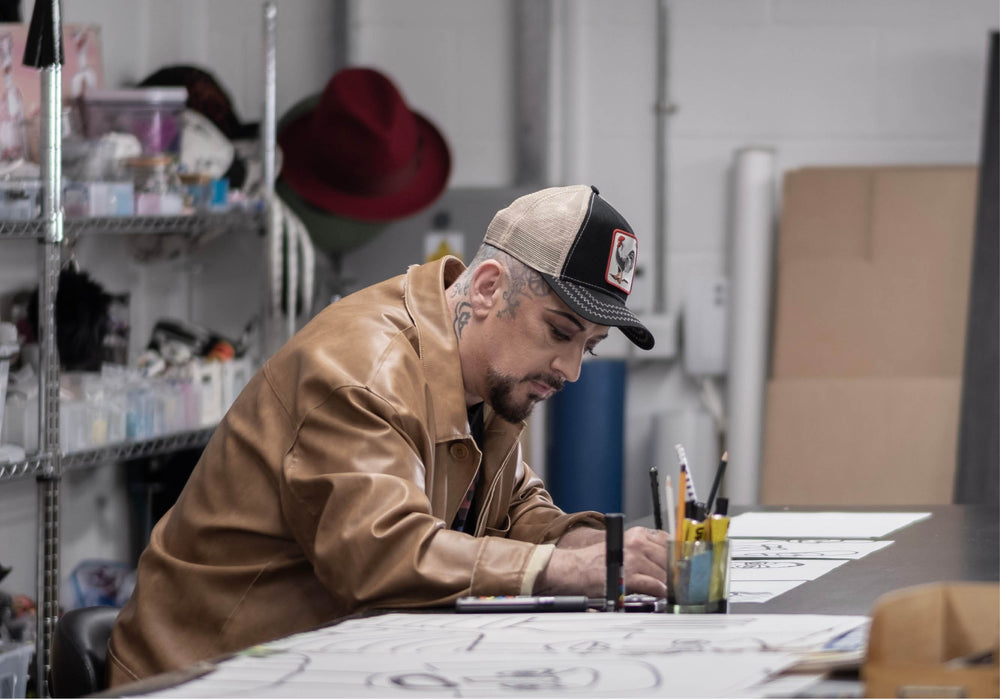
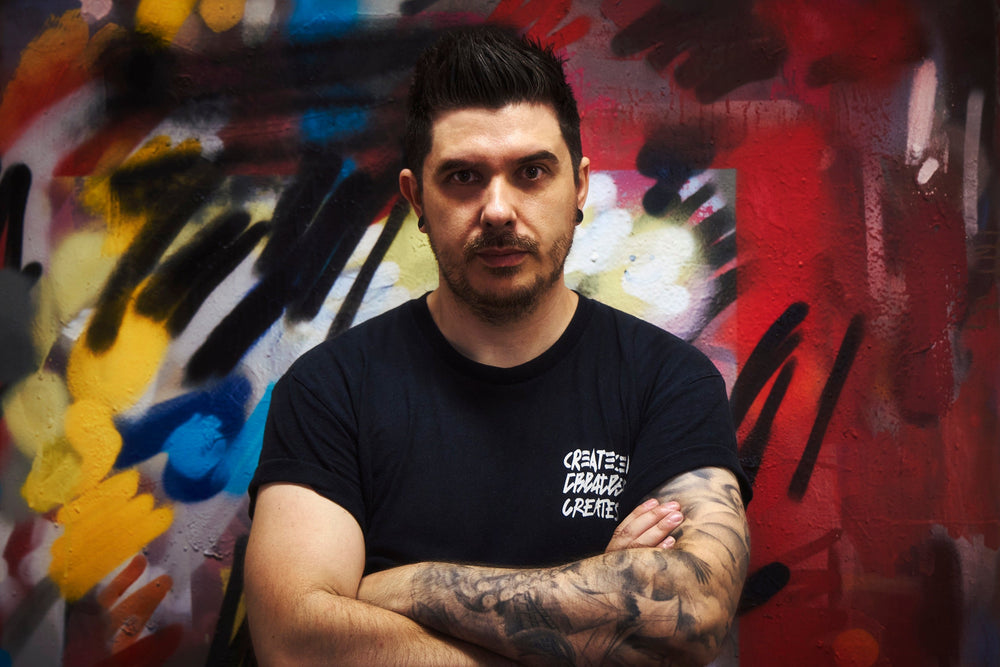
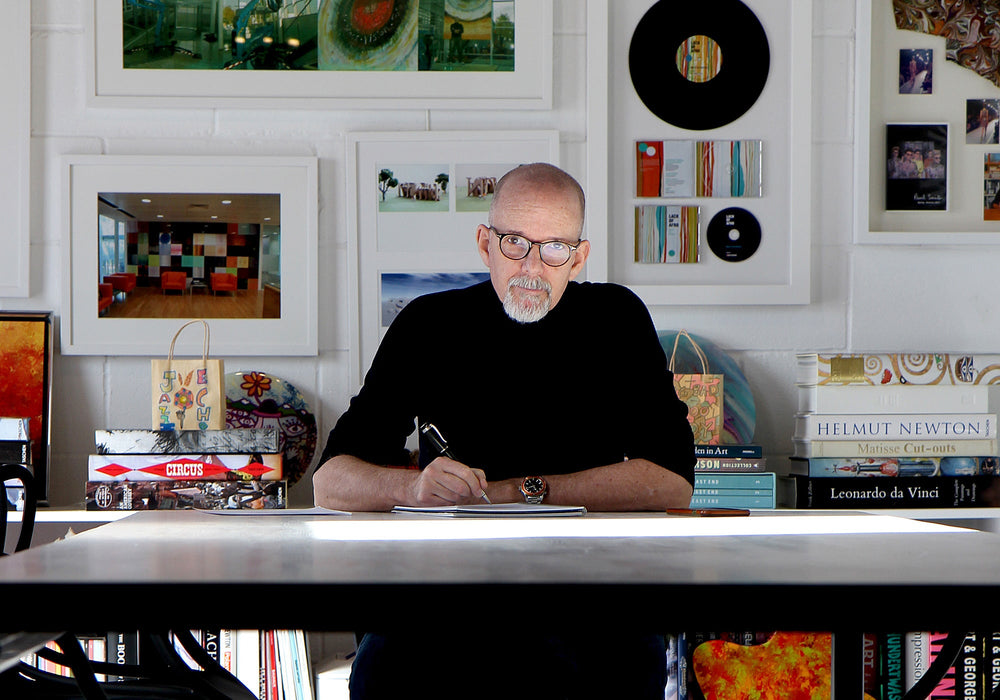
King of the DIY punks, Boy George, showcases an archive of materials from his studio in many of his original pieces, with a highly tactile application method and an organic sense of spirit. As a teenager, Boy George would handmake his clothes and still handcrafts his costumes to this day. He would go ‘mudlarking’ along the banks of the River Thames searching for animal skulls, bits of rubber, or antiques that could be incorporated into his elaborate outfits. No material is off limits in Boy George’s artwork as he intricately hand sews and adds beading, diamond dust, studs, zippers, and more to many of his original pieces.

“There are no rules at all about what I do.” - Boy George

Featured Art: 'Punky Doodle Dandies 2025 | Framed Set of Four'. Hand-signed Mixed Media with Glitter Gloss Limited Edition Framed Set by Boy George. 

Image courtesy of David Parry PA Media Assignments.


Bronze

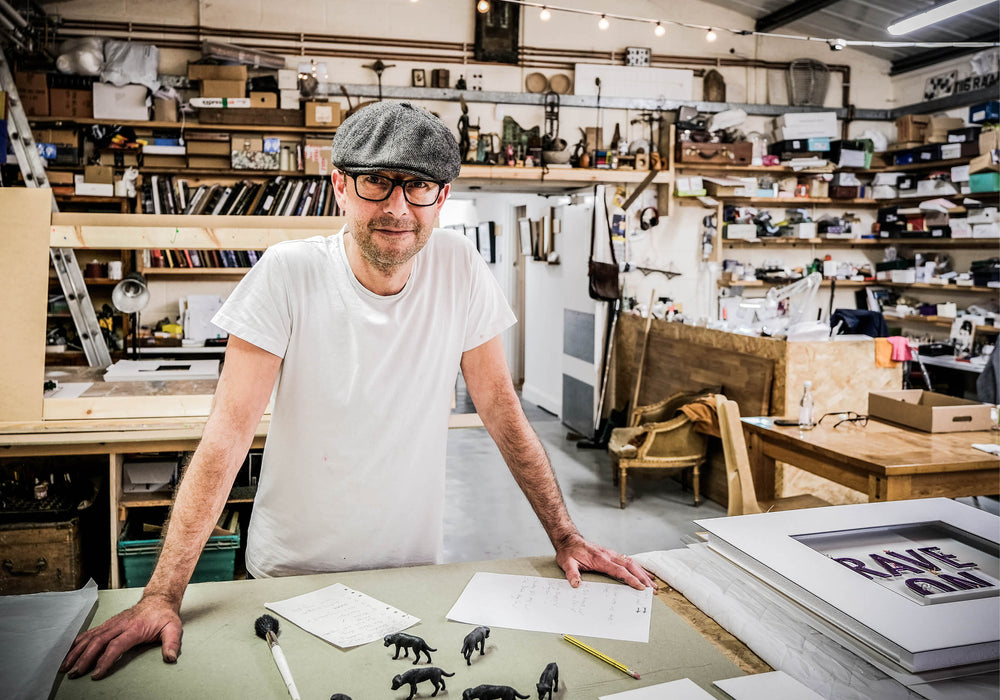
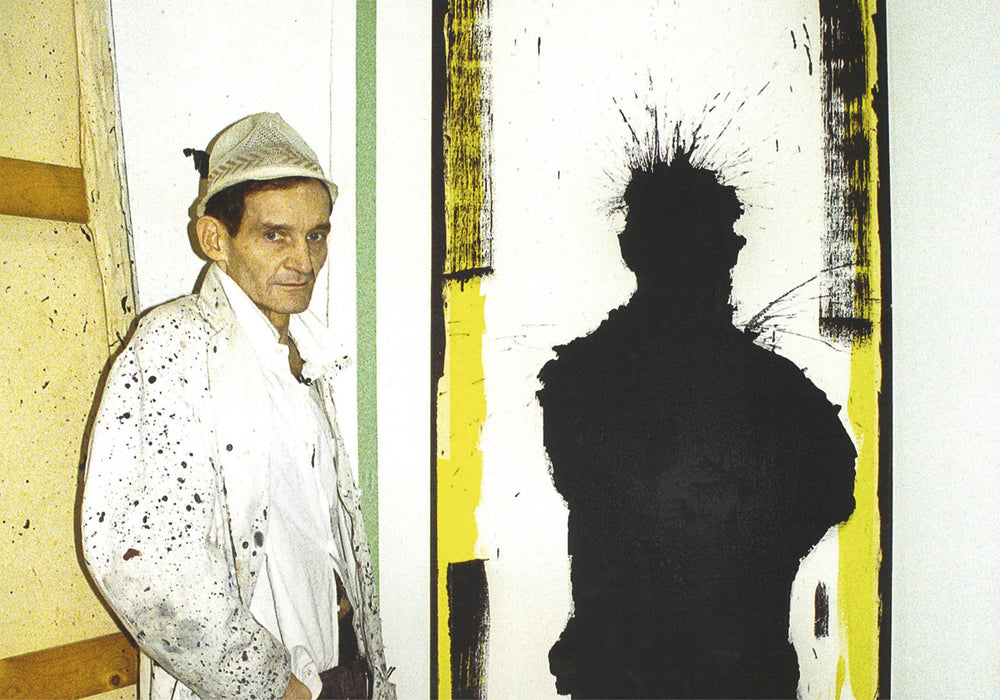
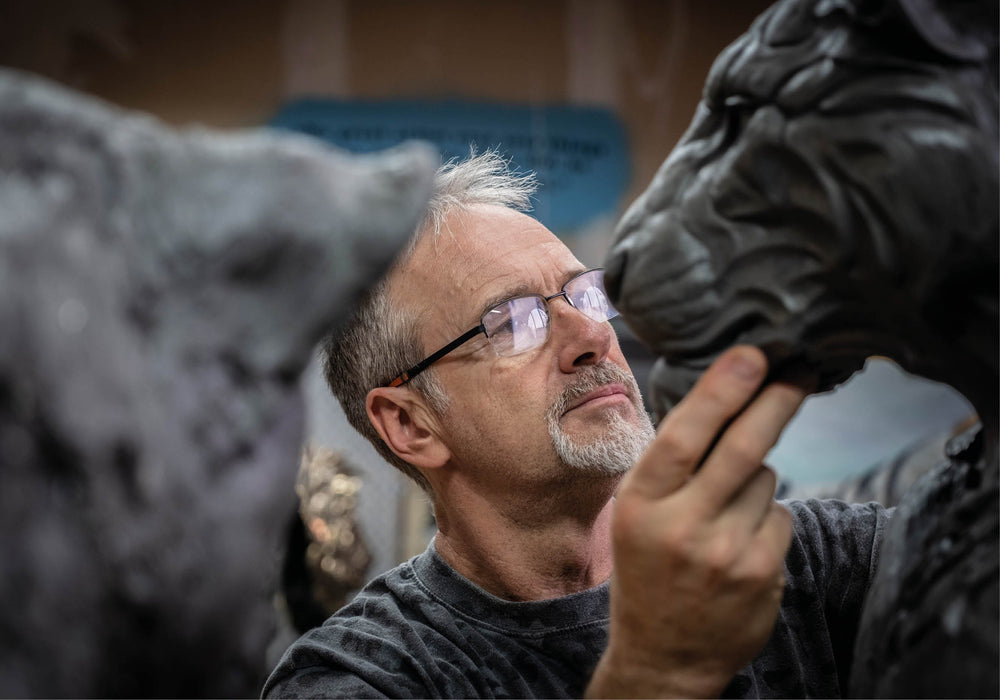
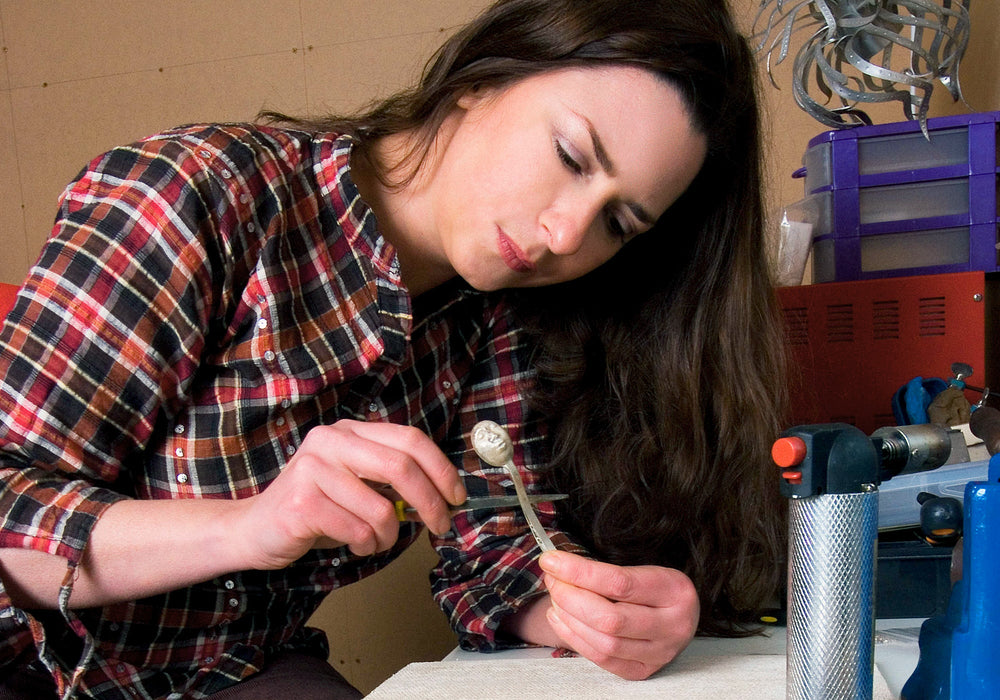
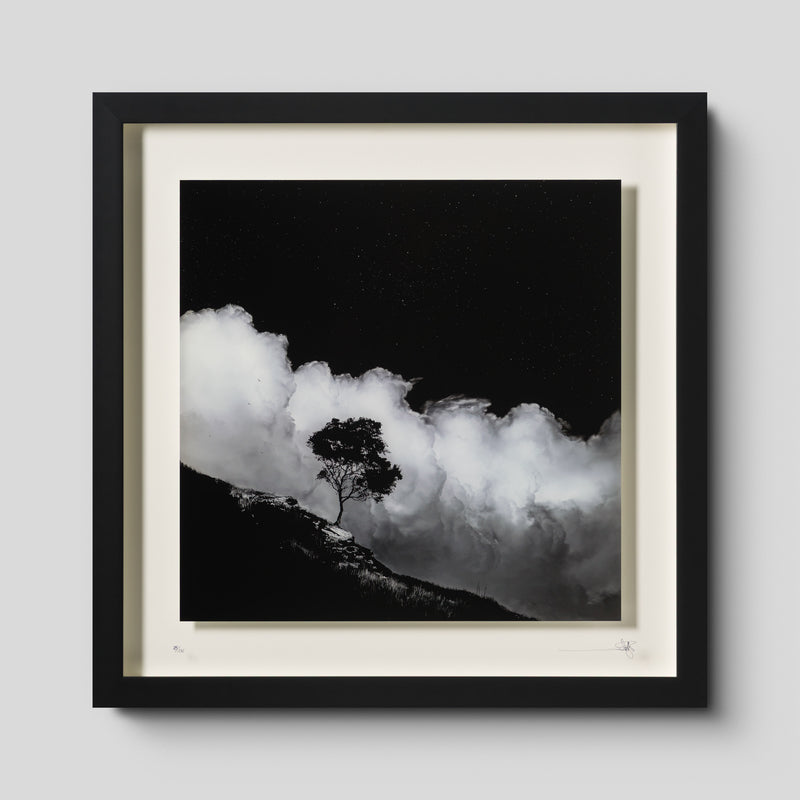
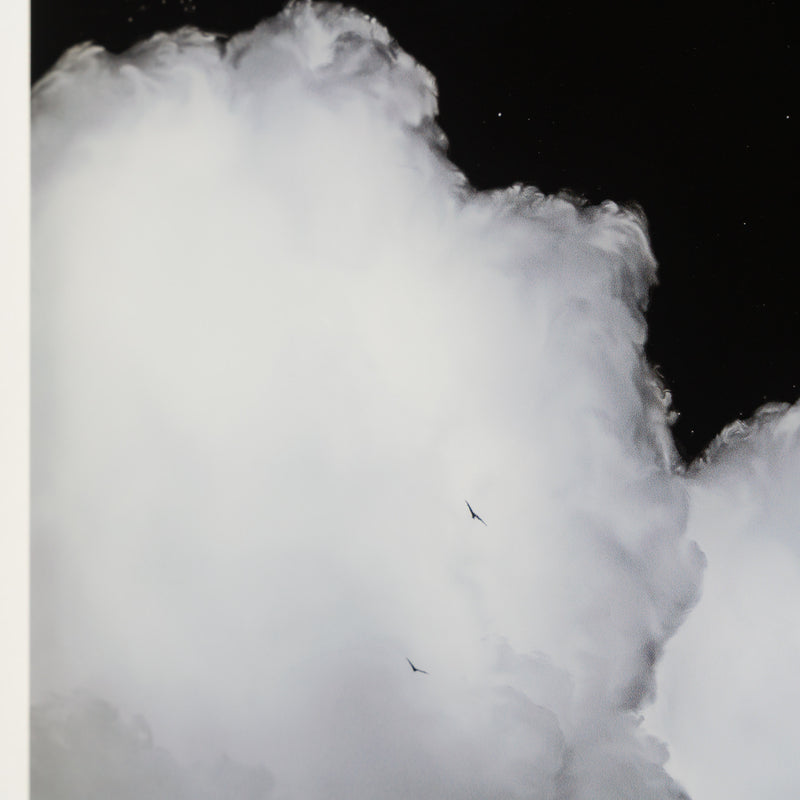
Bronze sculptor Steve Winterburn’s family-run foundry uses techniques that were first introduced in the Bronze Age. Part of a long legacy of foundrymen, Winterburn has used the traditional ‘lost wax’ method to cast his March 2025 collection of highly detailed animal sculptures. Experiencing his subjects in the wild, Winterburn captures the true dynamism and energy of the animals, sculpting 'Wisdom’, ‘Country Solitude’ and ‘Waiting for Spring’ with a lifelike precision and sense of movement that could not be gleaned from a captive animal.

The artist’s method and material both have a rich history; at its core, the bronze is a living, breathing medium as old as the technique by which it is sculpted. Hand-pouring every sculpture, Steve Winterburn is self-taught and is the only artist in the UK that can complete every step of the lost wax process under one roof, from sculpting to the finishing touches, creating bronze sculptures designed to remain for centuries to come.

“Sculpture is true art; it lives in every dimension and through the ages. You live with it, engage with it. Bronze is as eternal as diamonds.” - Steve Winterburn
Glass

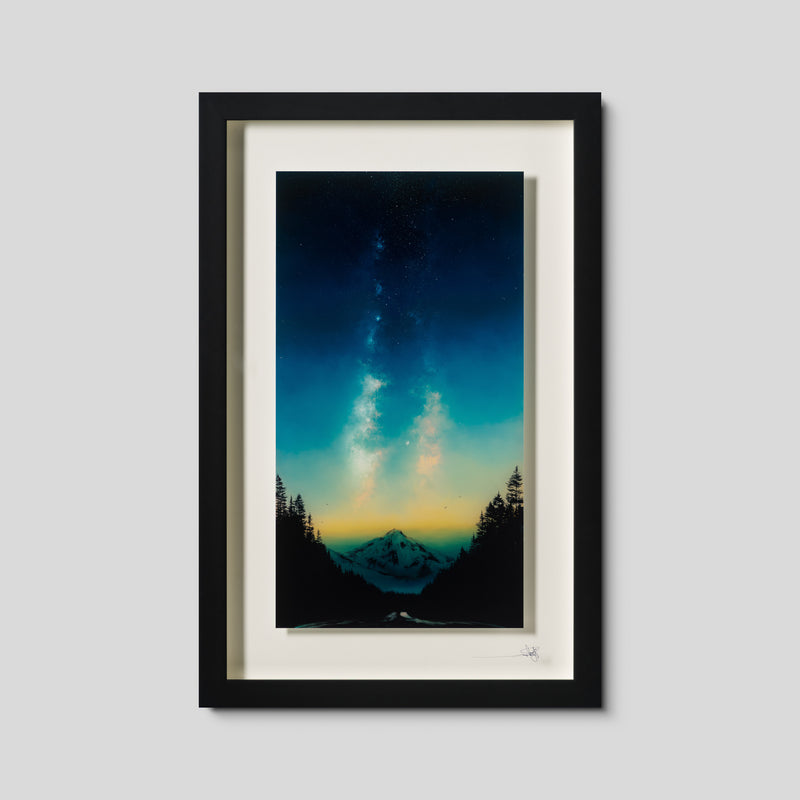
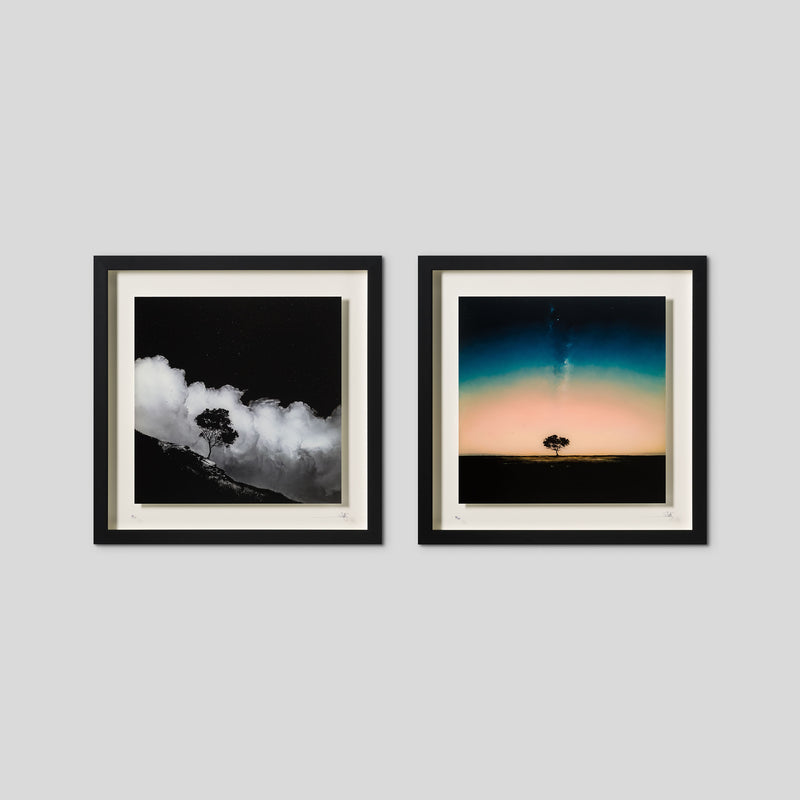
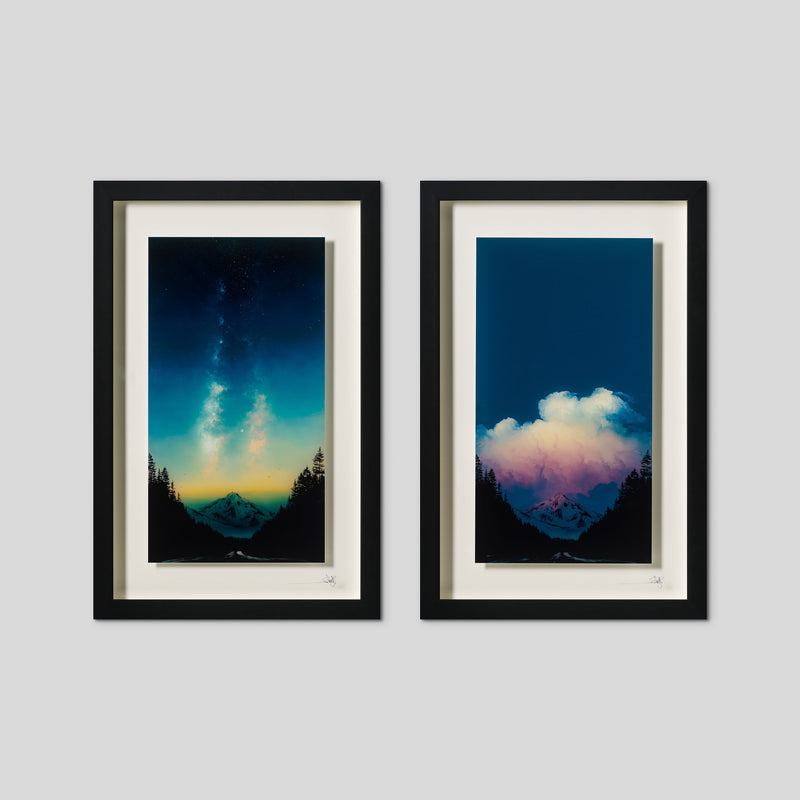
Part of religious architecture since as early as the 7th century, stained glass is one of the earliest examples of glass being used as an art medium, as artists created vibrant images to illustrate bible stories and the lives of saints for the illiterate congregation. Although early examples and techniques of stained glass are used and preserved to this day, contemporary artists working exclusively in this medium are rare. However, landscape artist Richard Rowan is a pioneer of modern glass art.
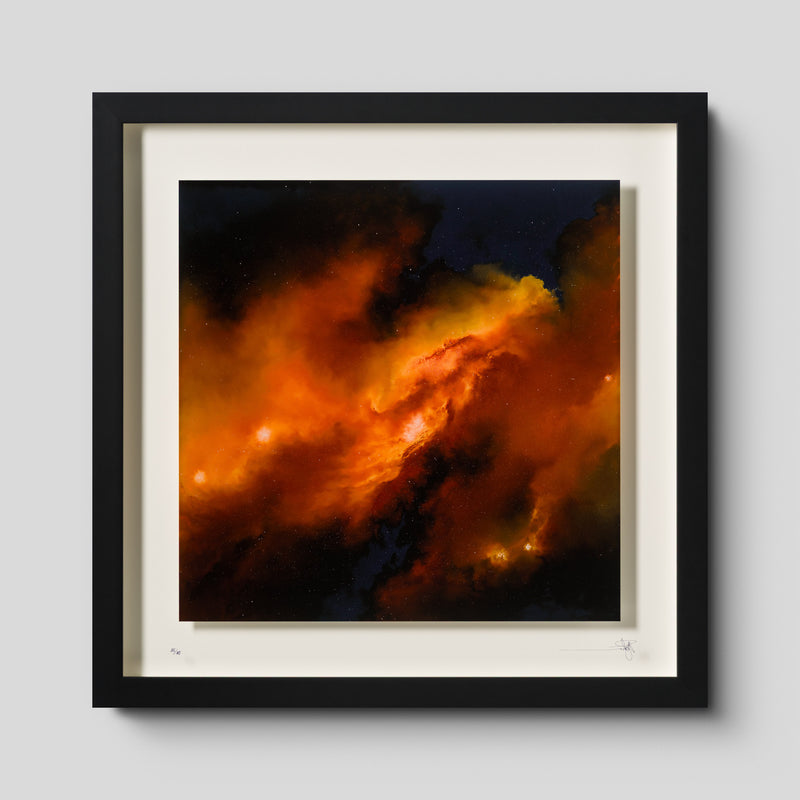
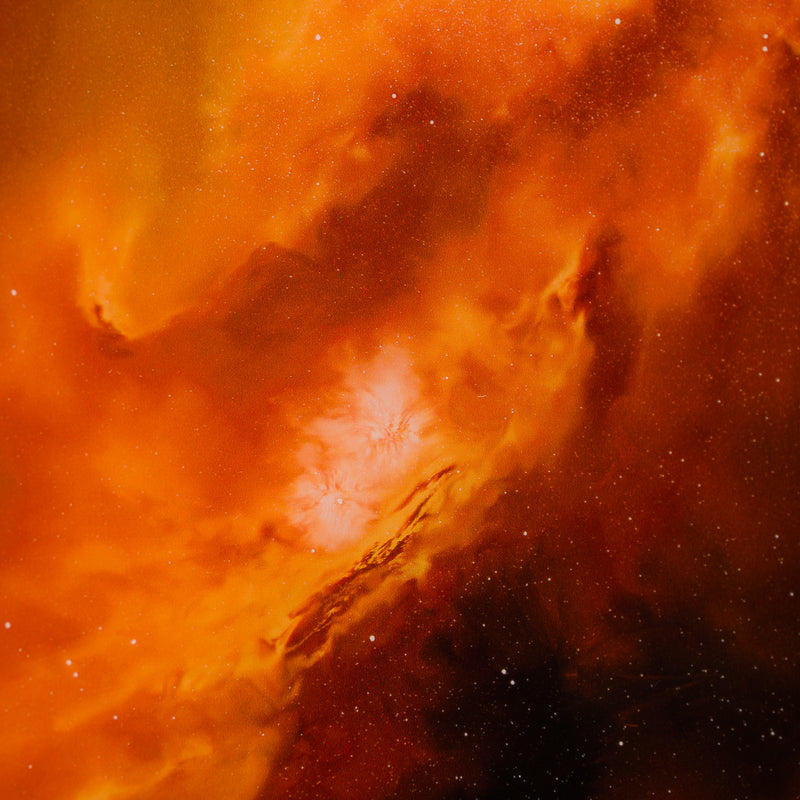
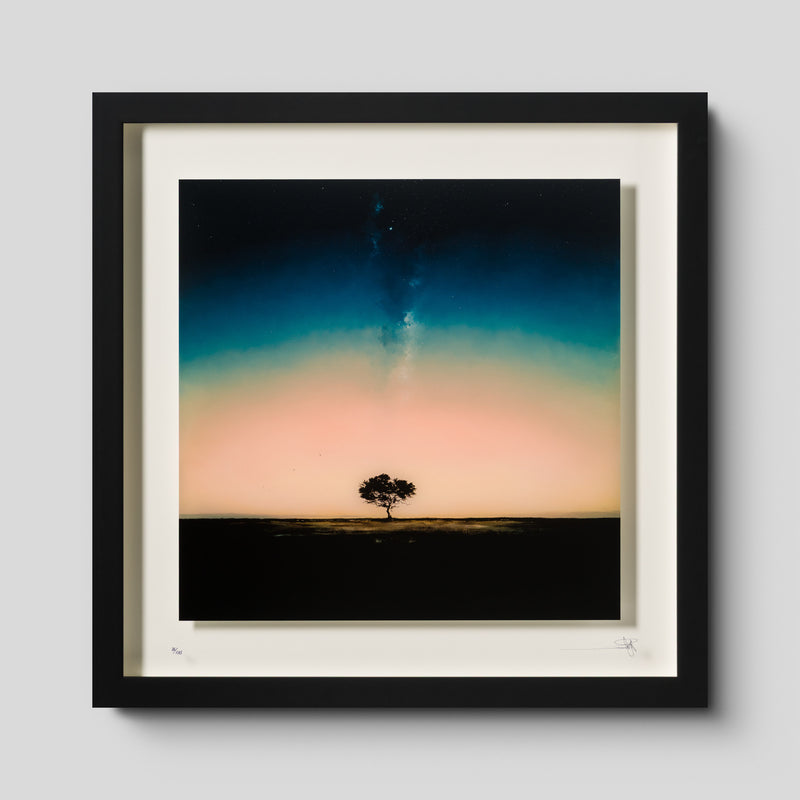
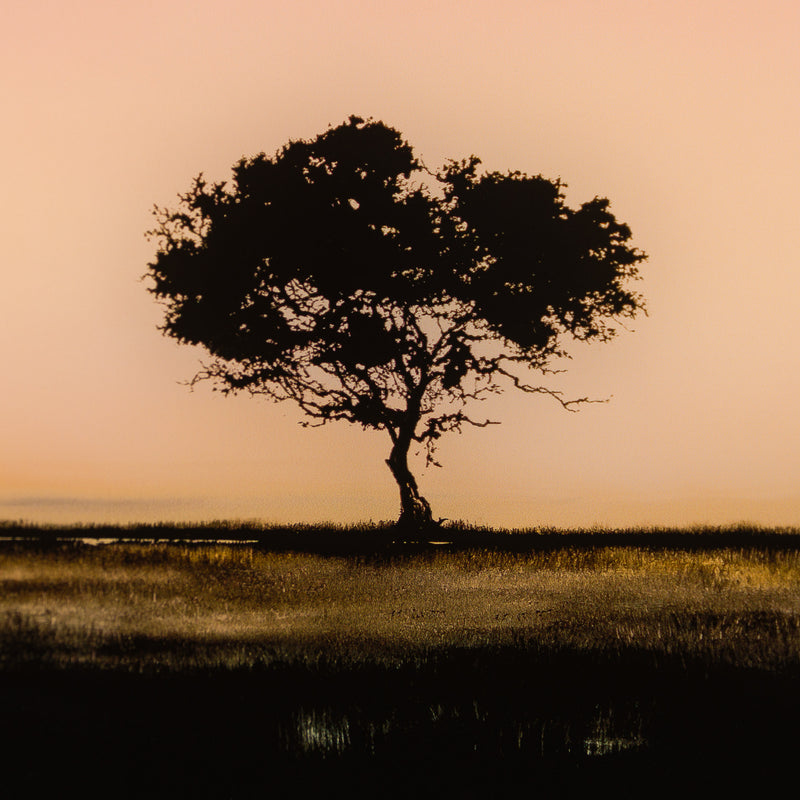
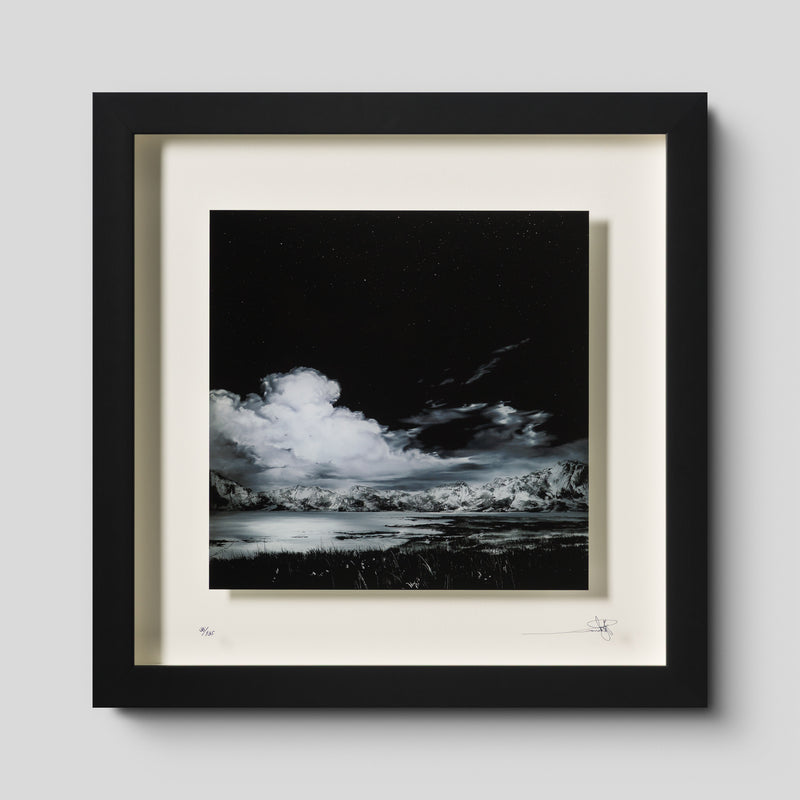
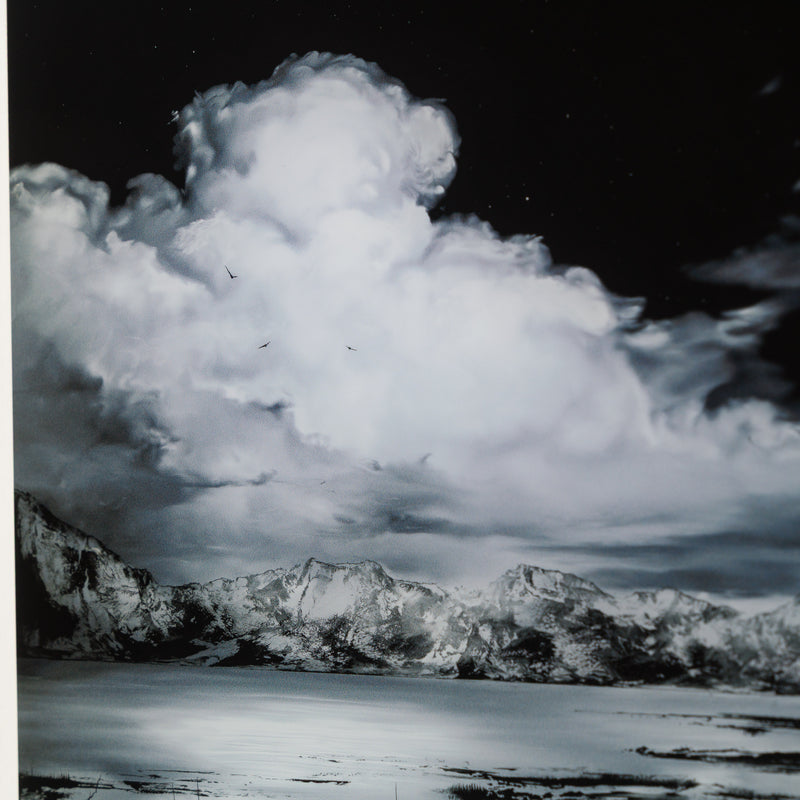
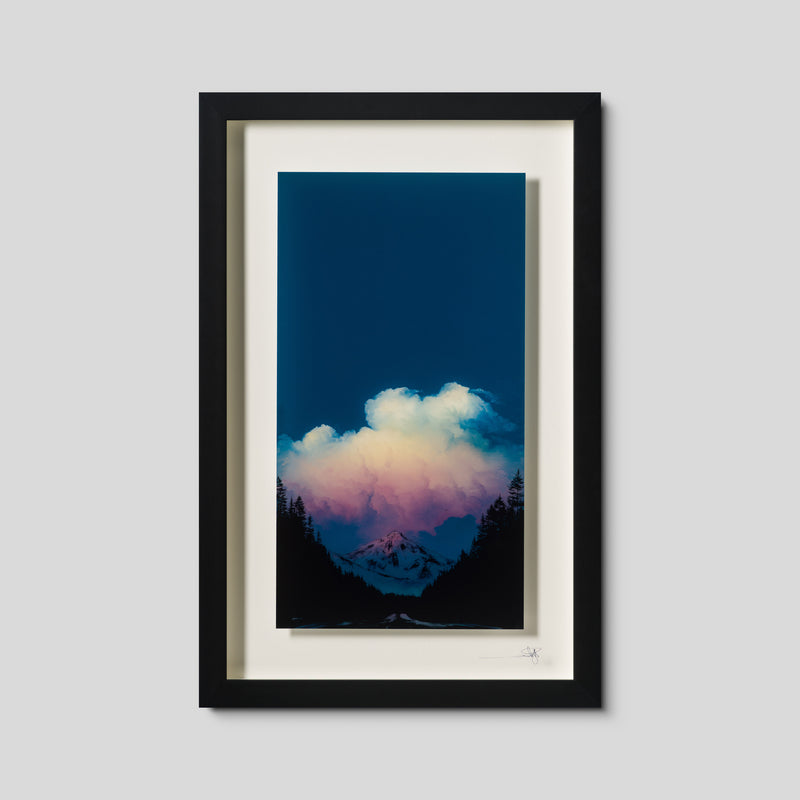
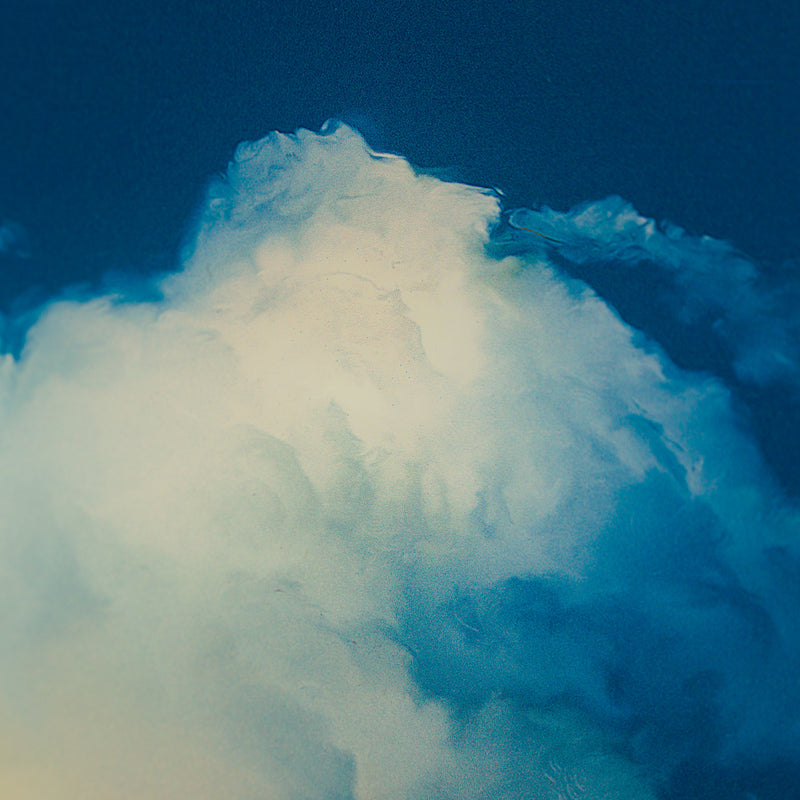
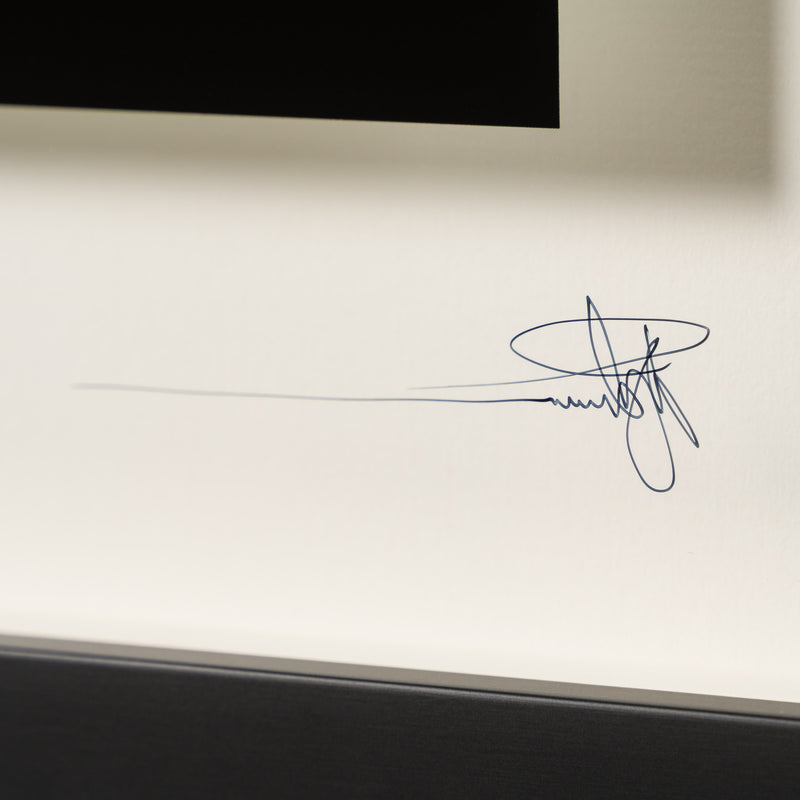
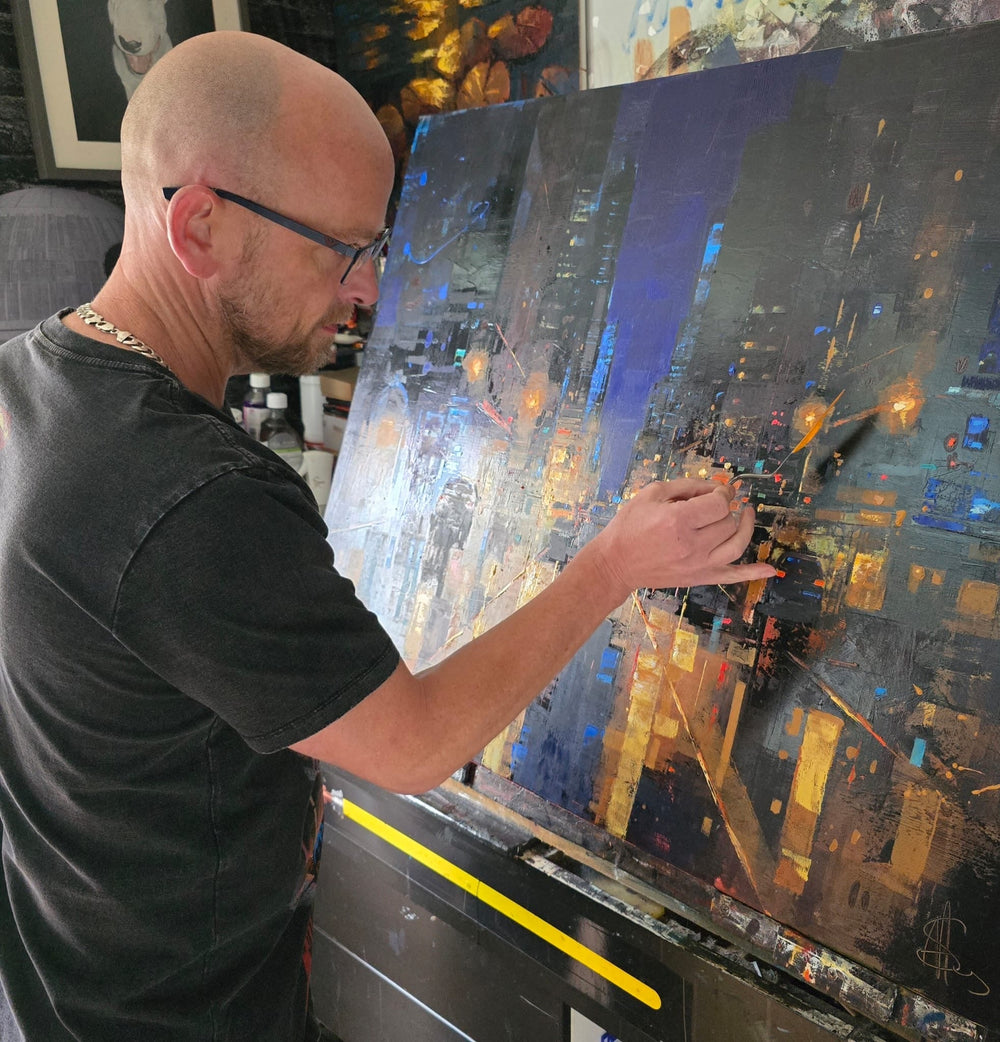
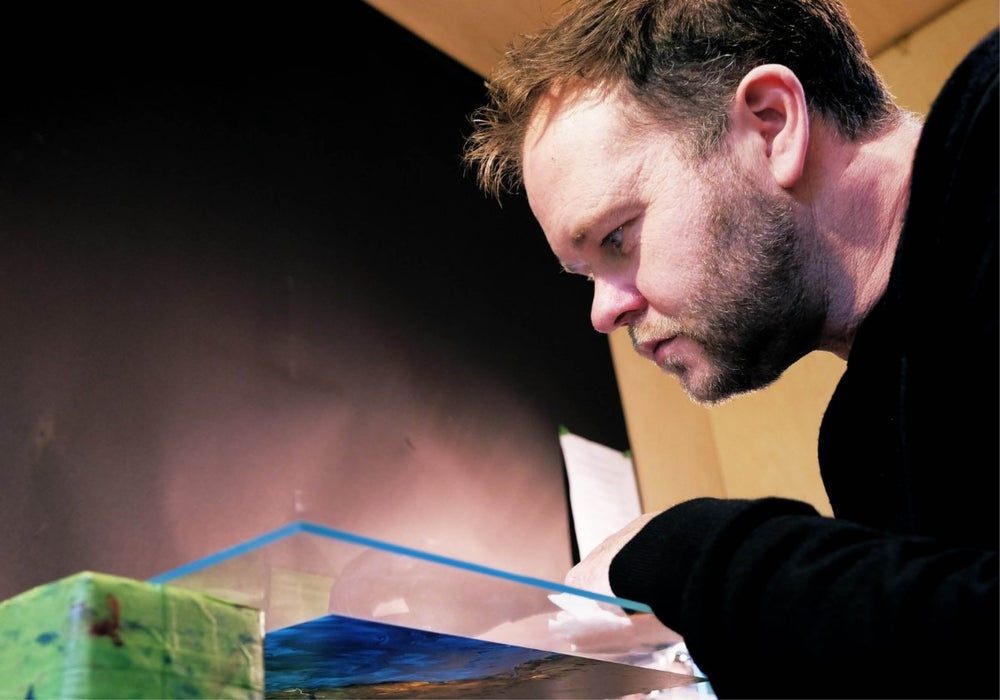
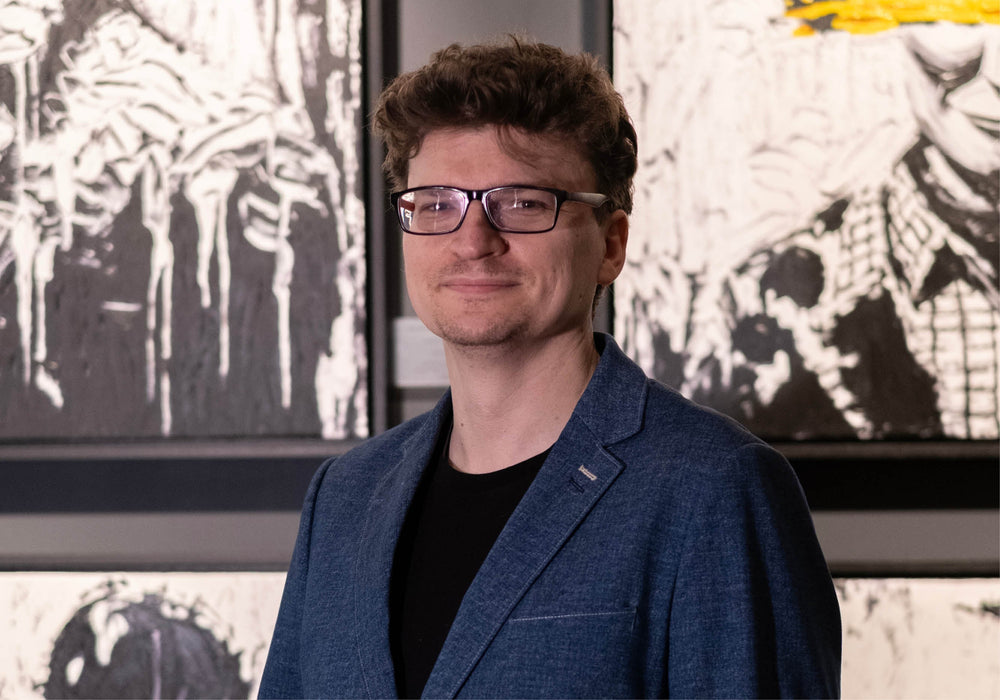
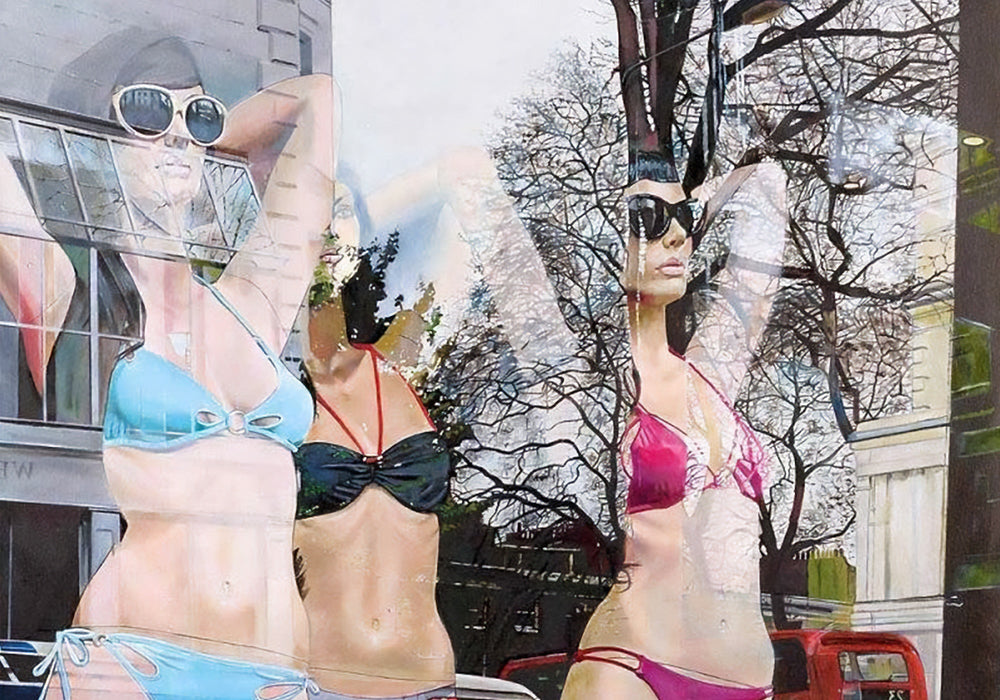
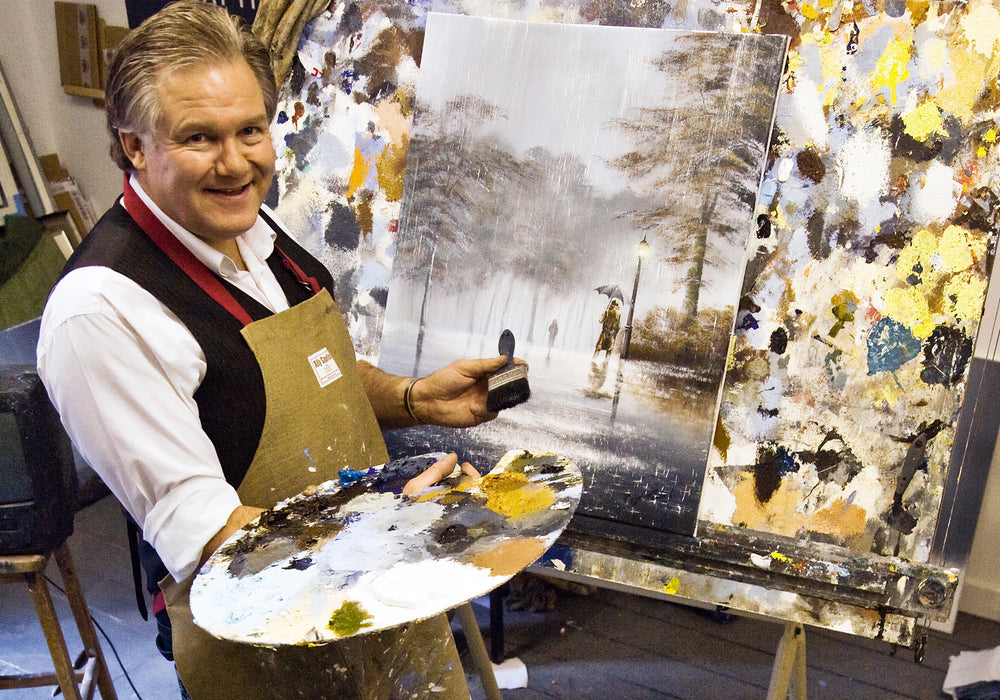
Running out of canvasses, innovative fine artist Richard Rowan began painting on glass panels, embarking on a journey of developing his own complex and challenging style. Changing his entire painting process, he began building layered images in reverse from foreground to background, spearheading new glass-painting techniques, as seen in his Autumn 2025 collection. Using his cutting-edge method, Rowan creates a perfectly smooth, almost filtered, image when viewed through the front of the glass. Inspired by reverse glass painters of the past and constantly evolving his technique, Rowan experiments with using found objects, like feathers, to move and manipulate paint on the glass to create his signature photorealistic finish.
Found objects

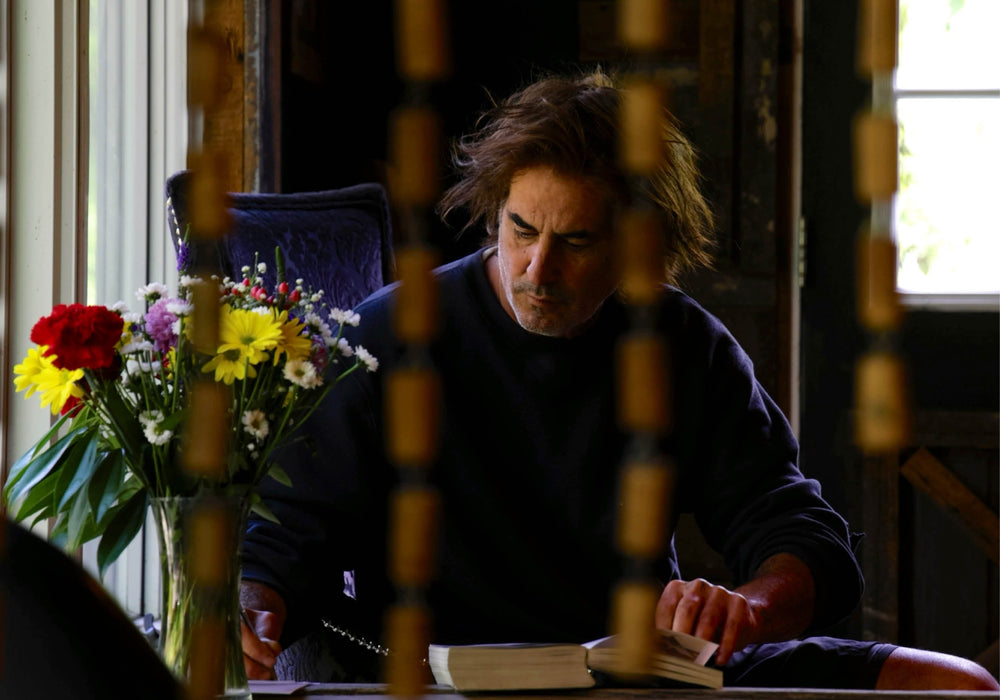
What makes something a piece of art? Found object art prompts us to ask this question as it gives artistic value to everyday items. Whether it is fishing nets, old computer parts, or even dandelions, found object artists work with existing and recycled materials to stimulate creativity within the viewer and give old items a second lease of life. Some artists choose this medium to promote environmentalism, others – like contemporary miniature artist Nic Joly – include found objects with personal sentimental value.

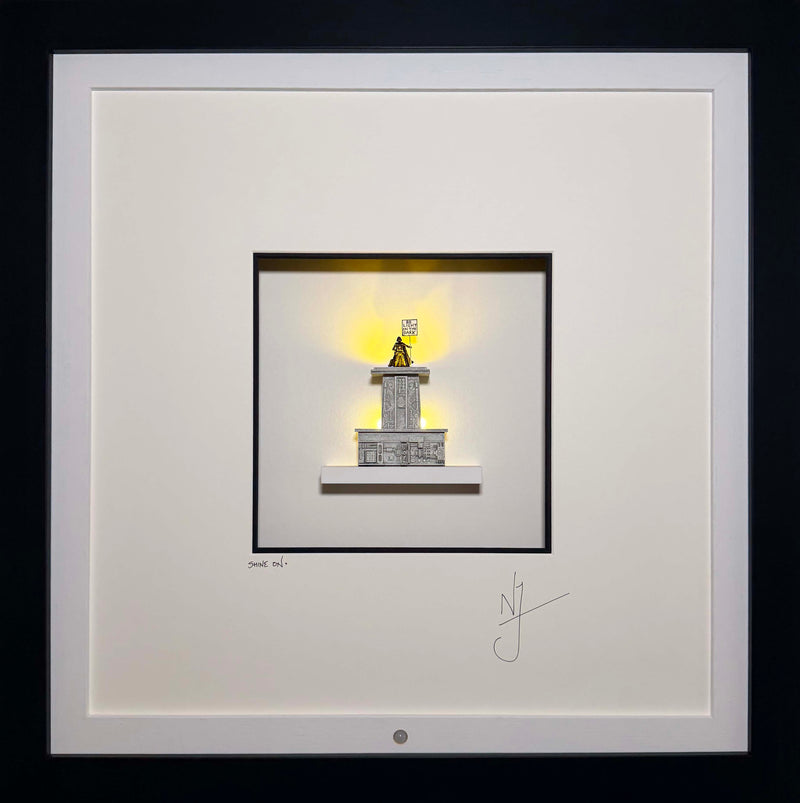
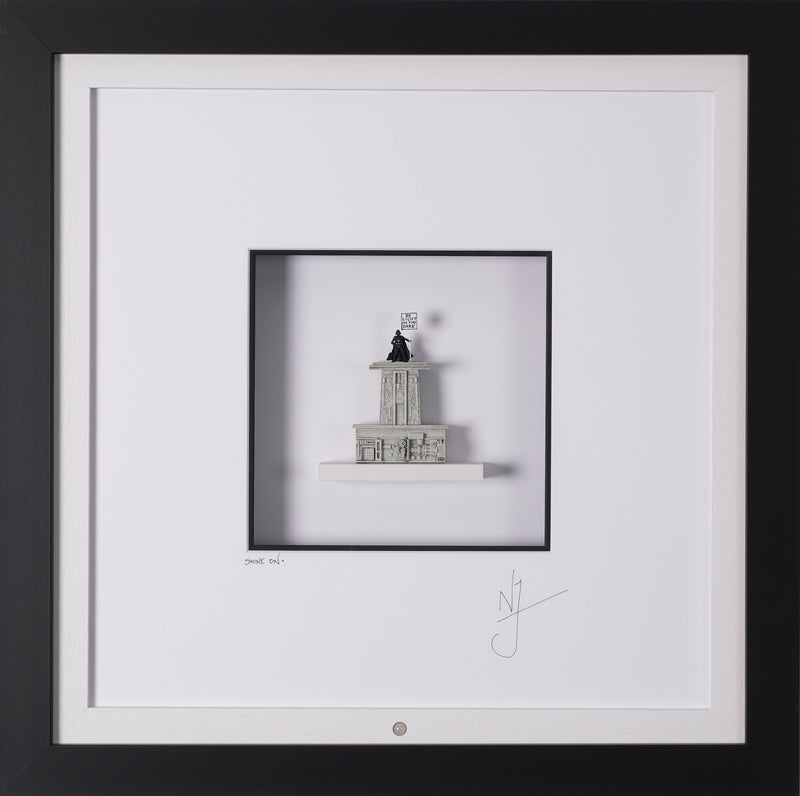
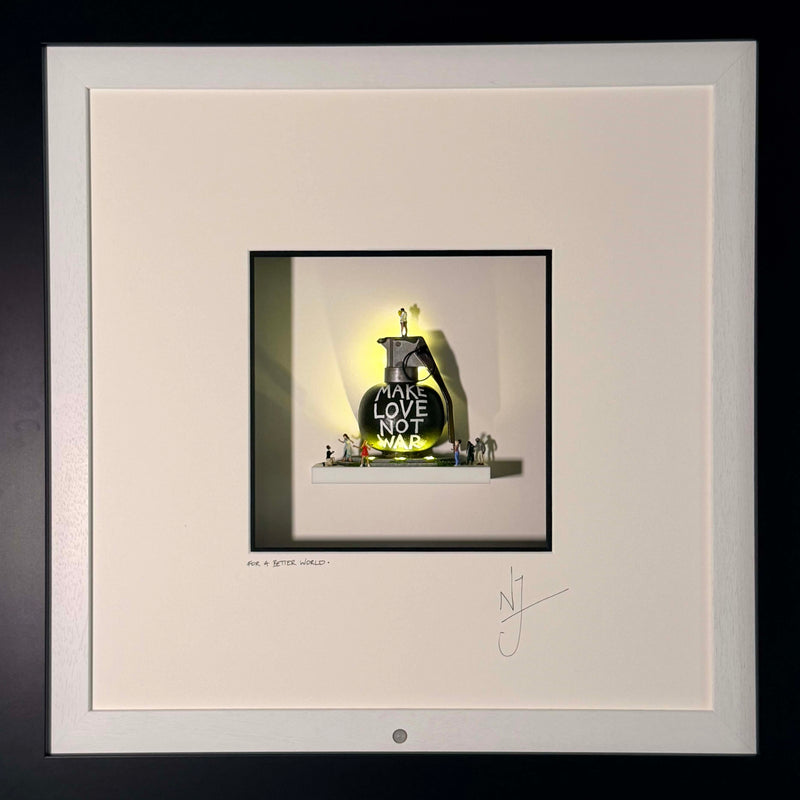
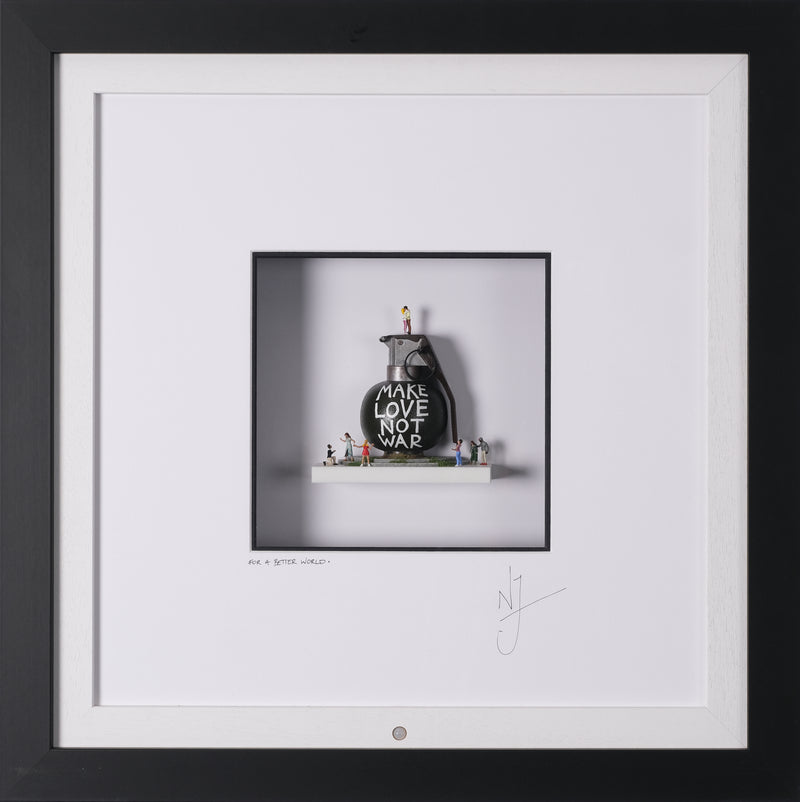
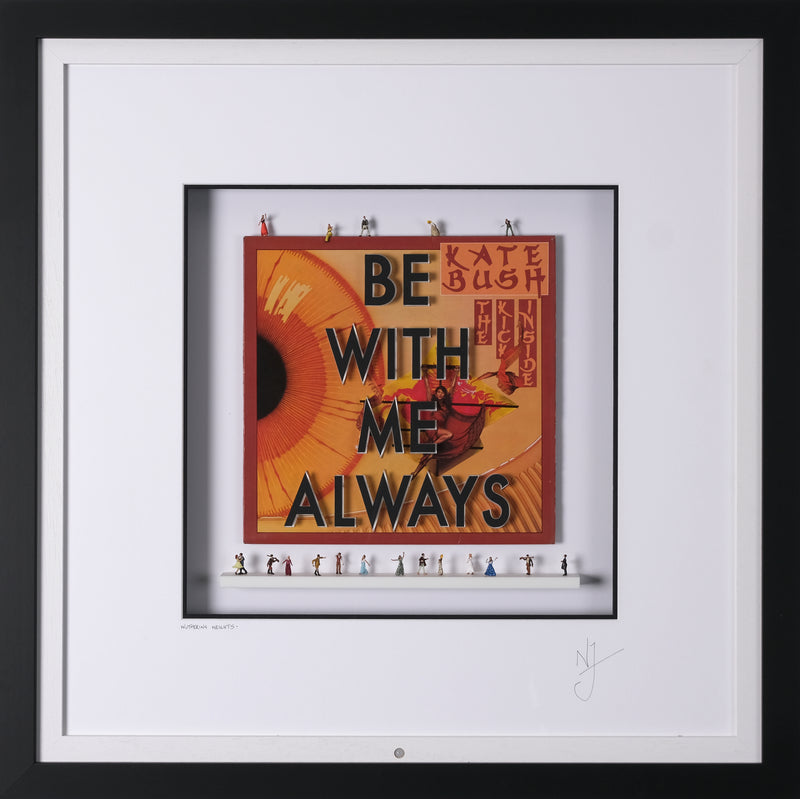
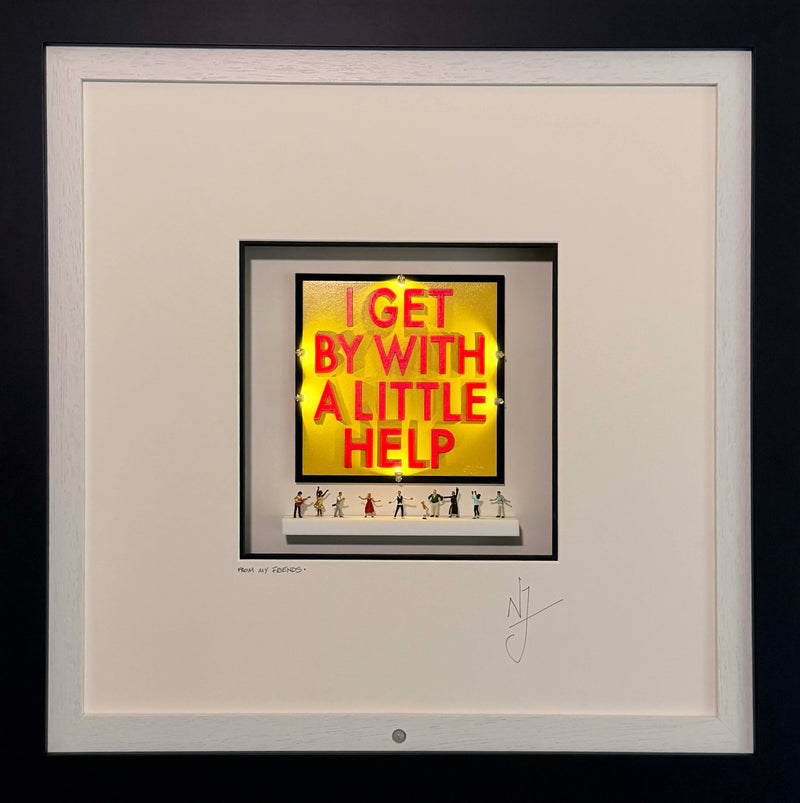
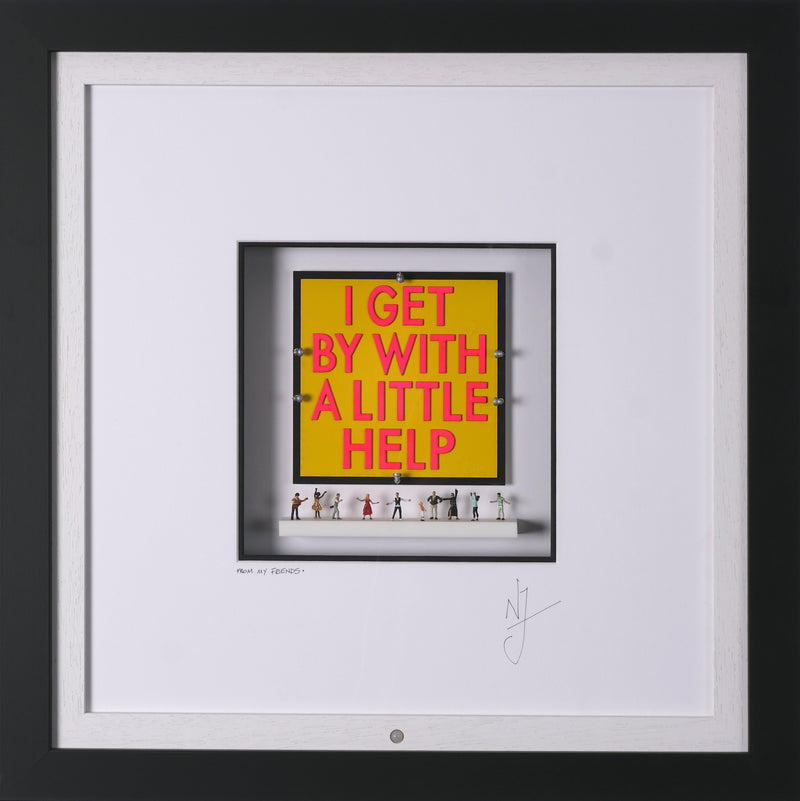
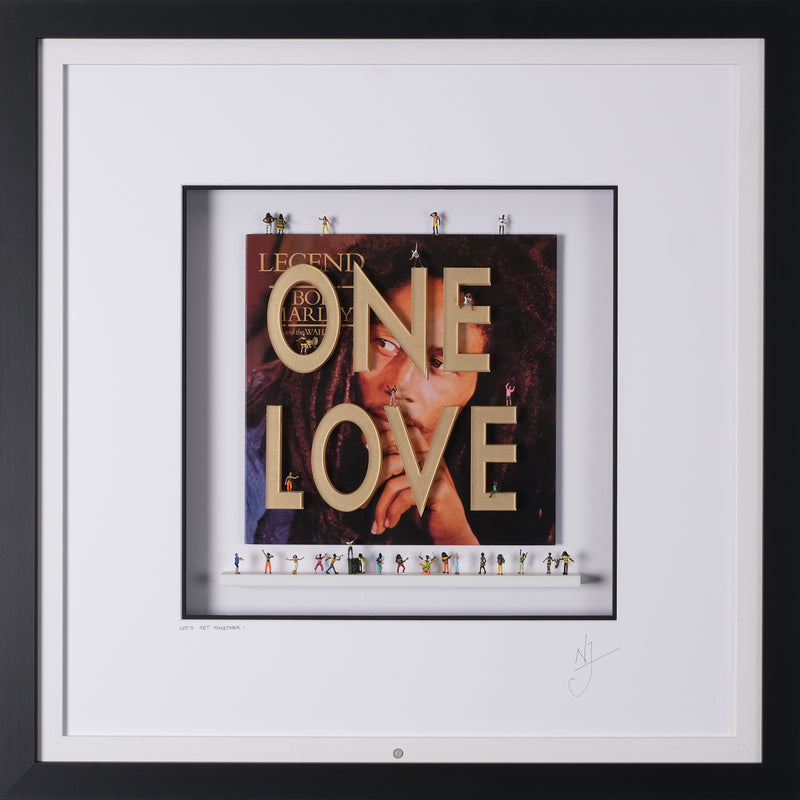
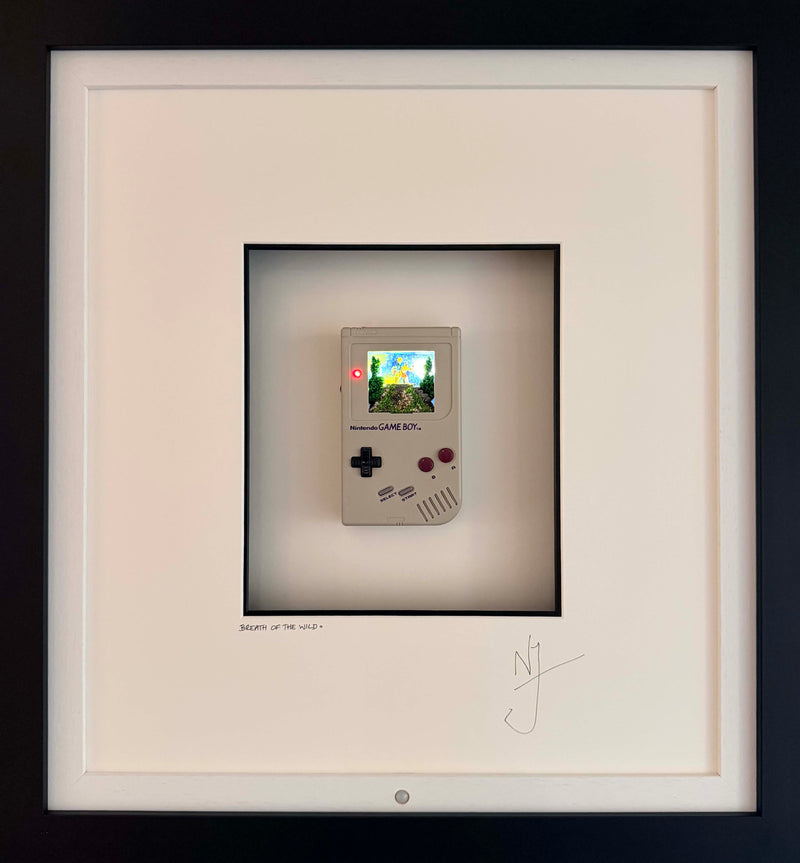
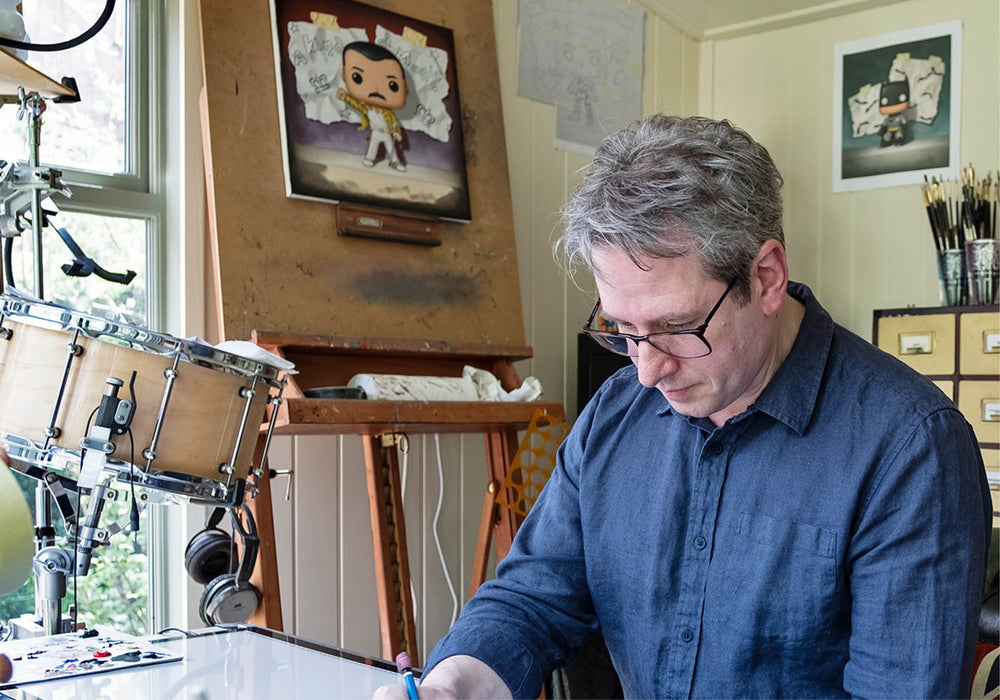
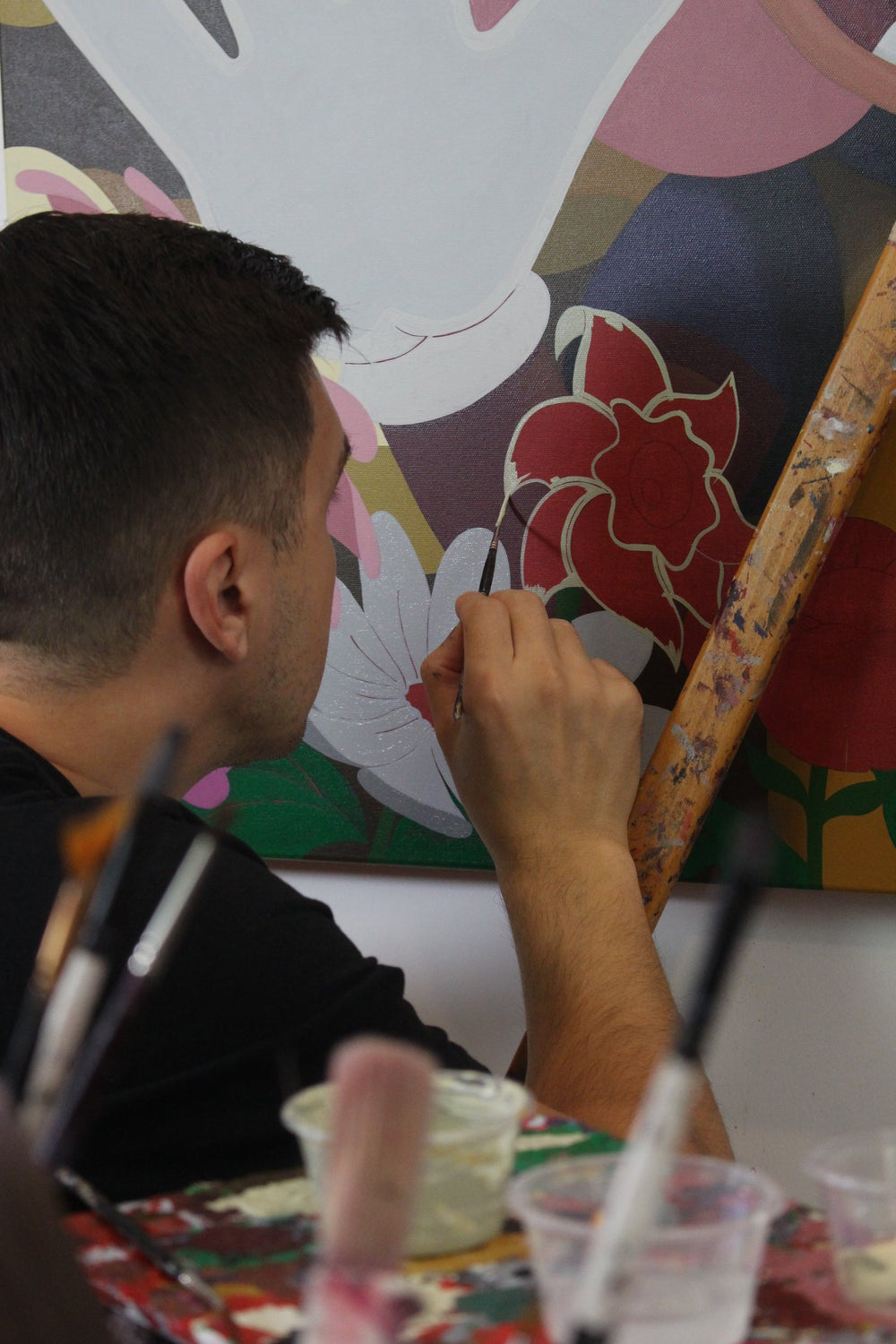
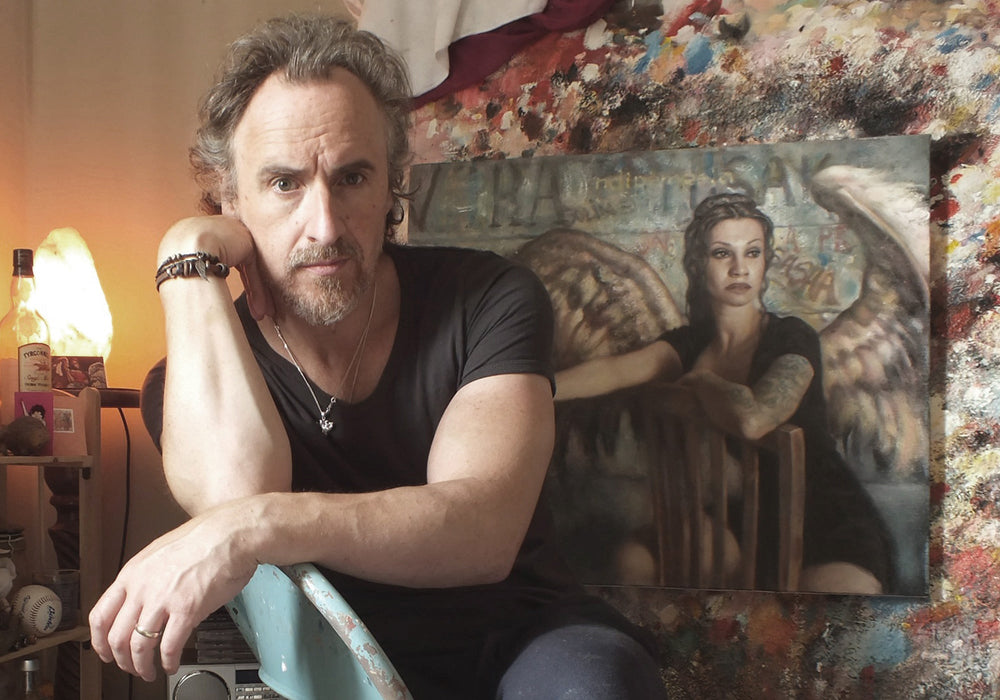
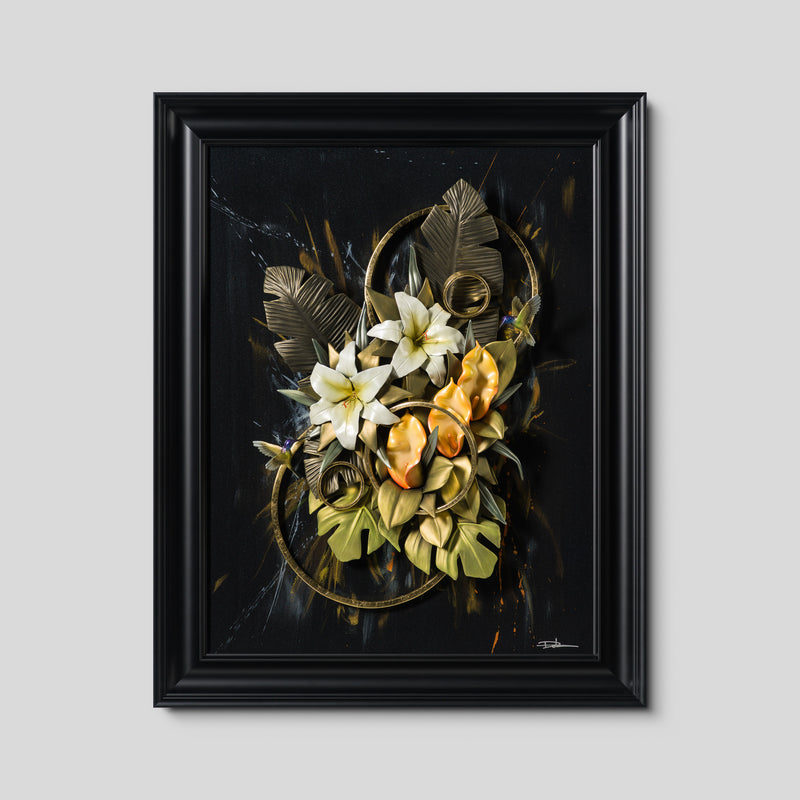
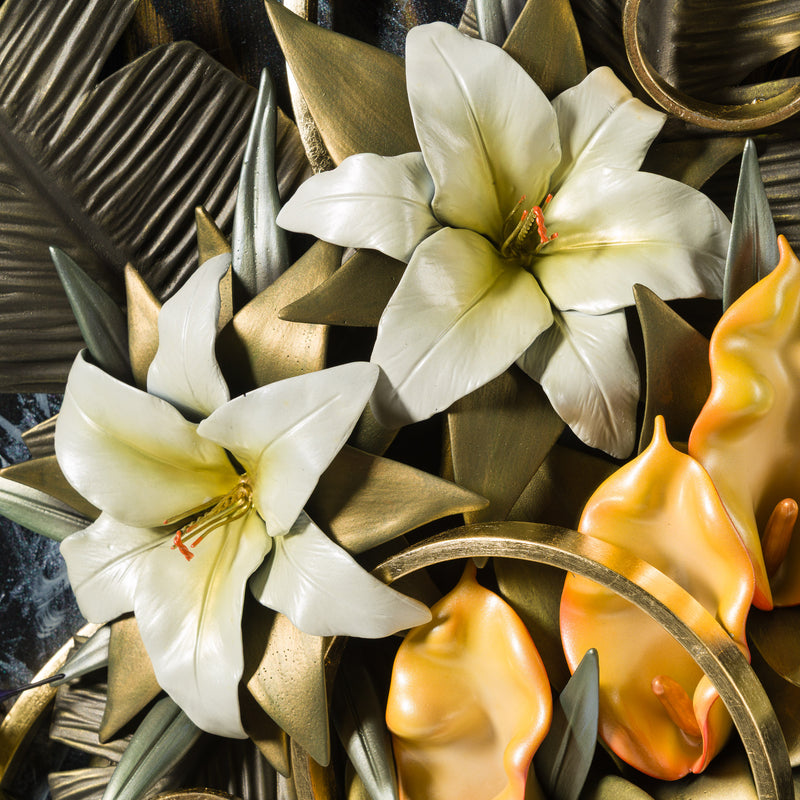
Nic Joly uses a variety of materials to create his tiny, intricate scenes. Exploring issues of love, mental health and war, he uses everything from marble and bronze to paper and wood to build his miniature worlds. The artist has previously used 500-year-old wood in his work and often collects dirt and grit from his travels to incorporate into his original pieces.

Using experience gained in his previous job as a carpenter, Joly handcrafts the complex detail of his artworks, remastering some of his favourite pieces from the last ten years in his March 2025 instalment of The Next Chapter collection. Exploring human connection, love, and dreams, these artworks honour the artist’s pride in his work to date and herald the creative potential ahead of him.

Resin

Resin is one of the most modern art mediums. First discovered in the 1930s, modern epoxy resin took inspiration from natural tree resin. Used in acclaimed installations and exhibits - including Rachel Whiteread’s ‘Monument’, which appeared on the fourth plinth in Trafalgar Square - resin is a highly versatile, durable and strong material, allowing for detailed, long-lasting artworks. Many contemporary artists, including contemporary sculptor Dan Lane, use resin for its versatile nature that allows them to manipulate it in any way they please.

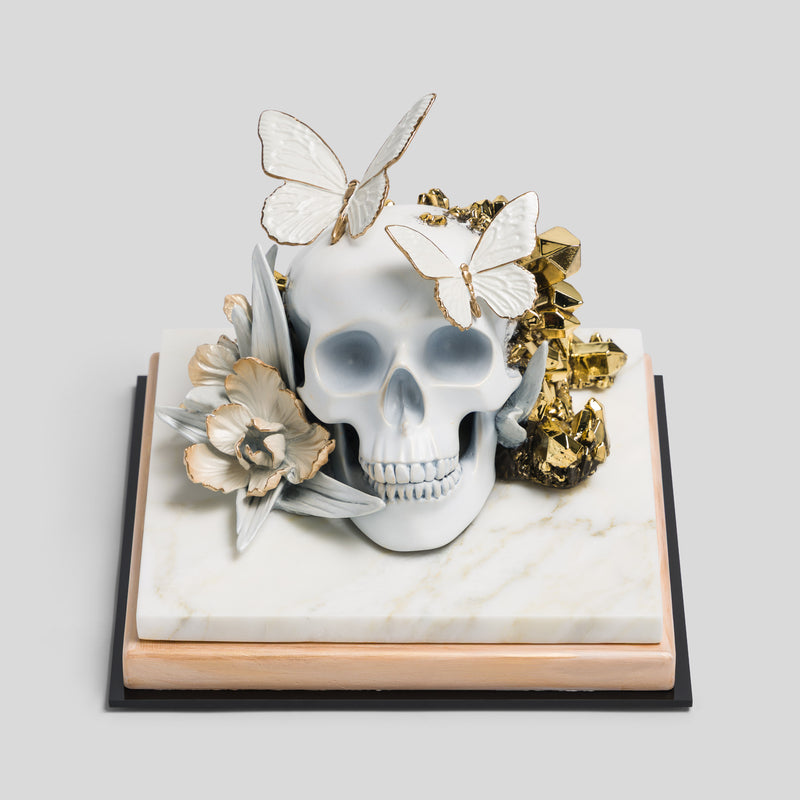
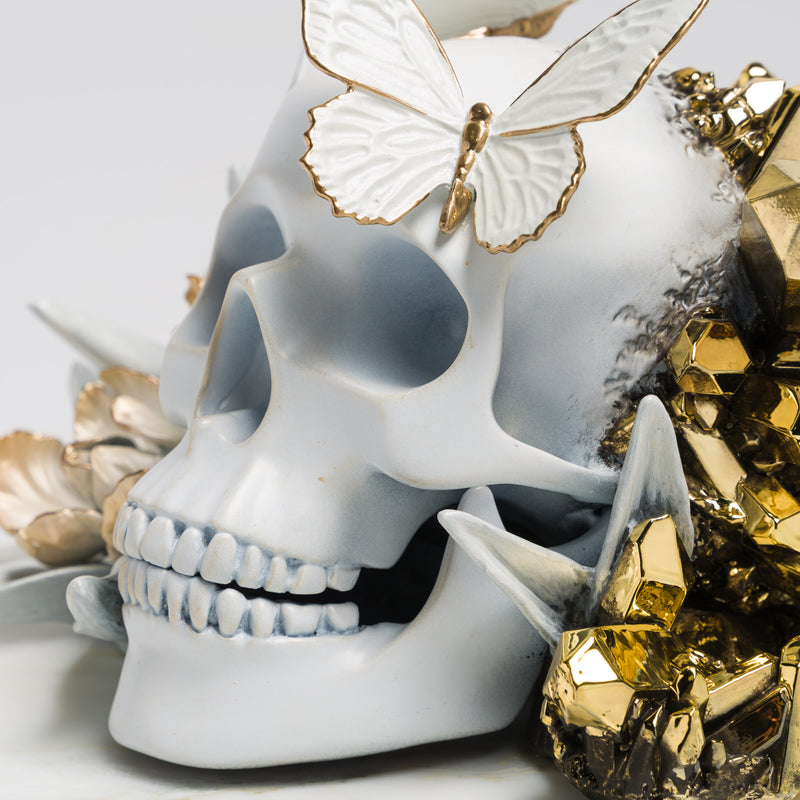
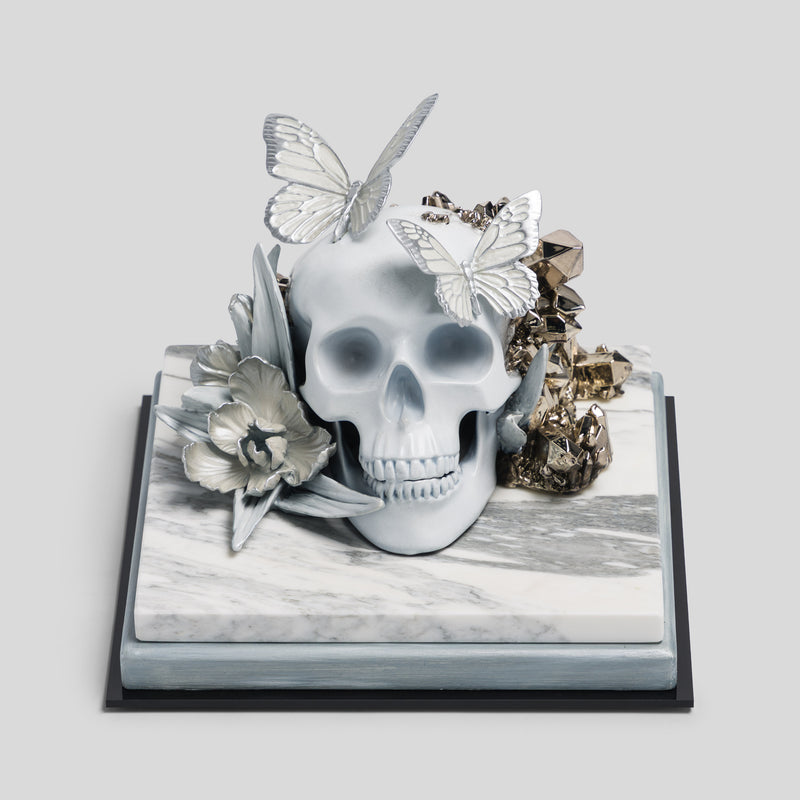
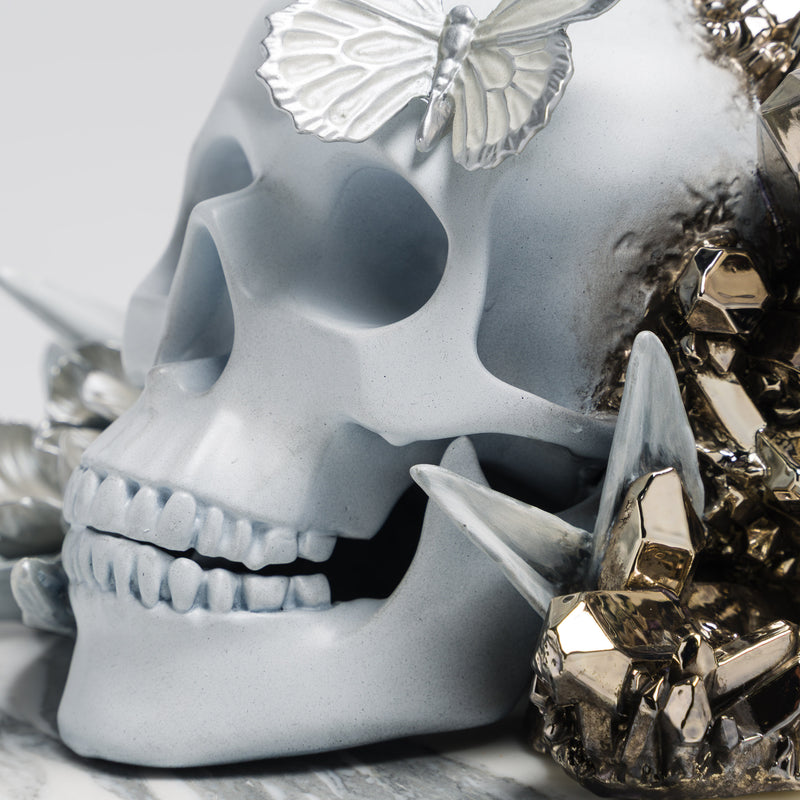
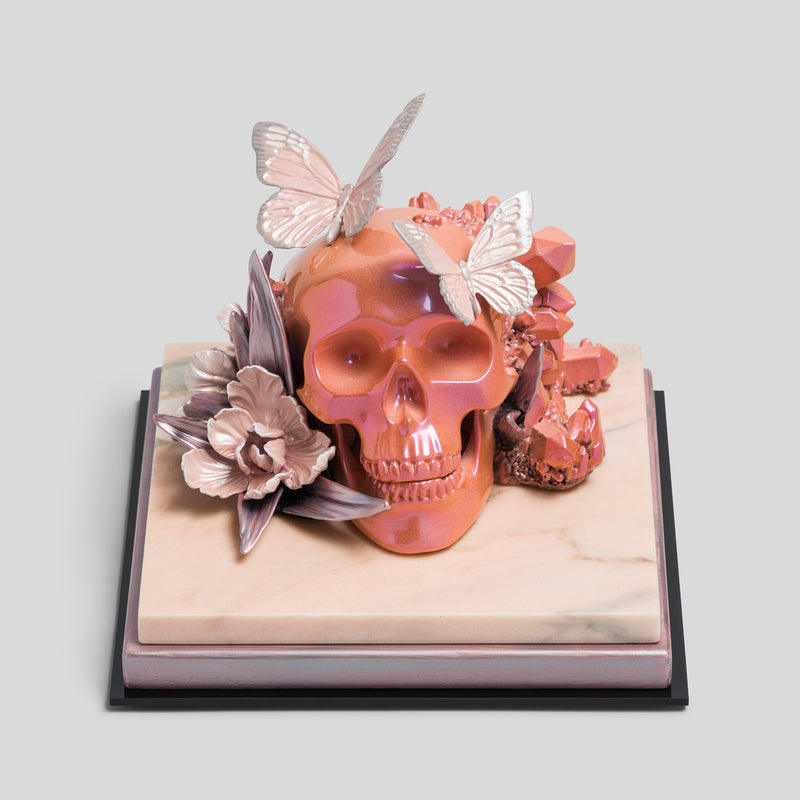
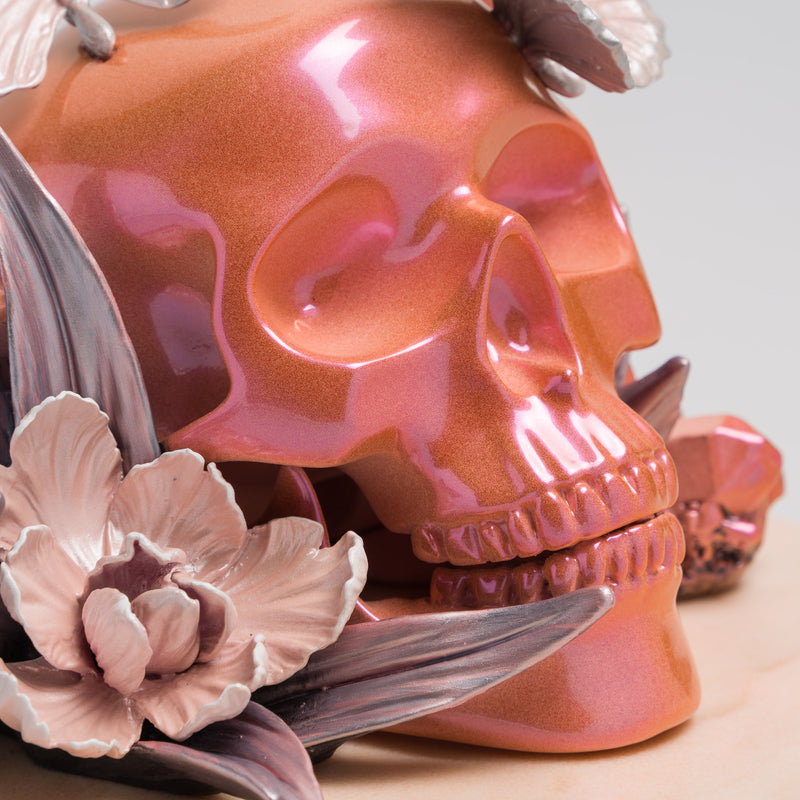
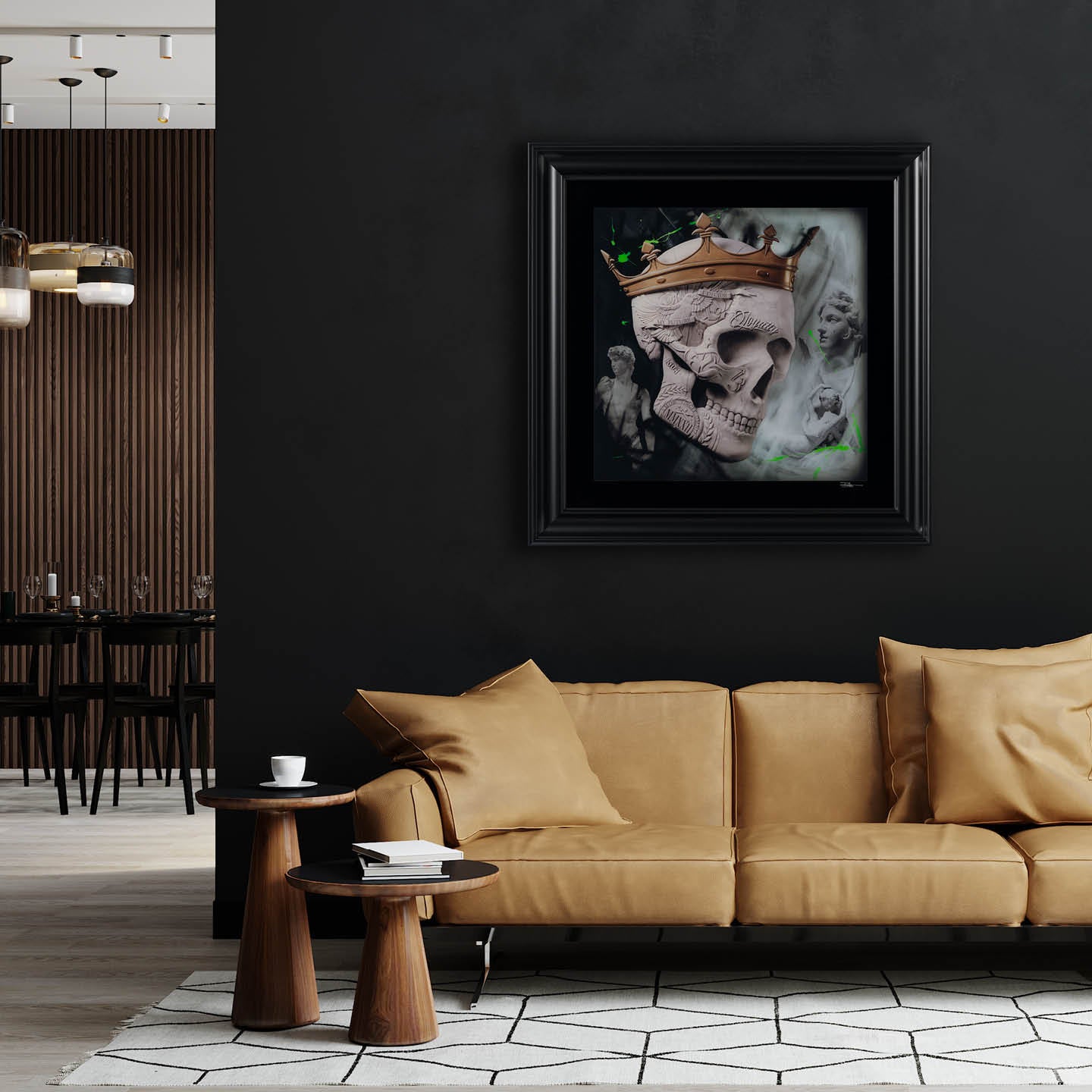
Inspired by Renaissance art, Dan Lane paints and shapes resin to create artworks that appear to be made of solid marble. Combining thousand-year-old styles with modern day materials, Lane’s artwork modernises ancient forms using modern technologies. Creating everything by hand, the artist uses knowledge from his background in engineering to create his own unique processes, much like foundrymen.

“I have developed a technique of casting marble that alludes to my concept of these sculptures as a modern relic, as it gives the pieces a sense of age.” - Dan Lane

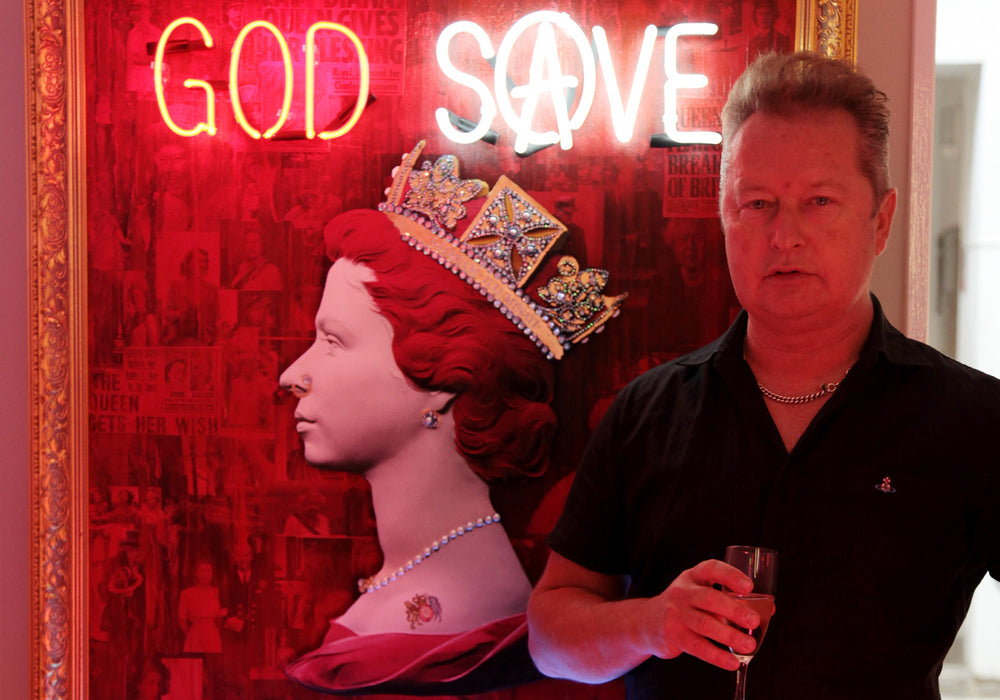
Featured Art: 'Heavy Is The Head That Wears The Crown (Marble)' by Dan Lane. 

Find The Perfect Artwork

Read more

2025 - A Year of Celebration at Castle Fine Art

2025 - A Year of Celebration at Castle Fine Art

2025 is a very exciting year at Castle Fine Art, as it marks our 30-year anniversary and many of our artists are also celebrating a decade (or even two) working with us! Opening the first ever ‘Cas...

Read more
COLOUR BLOG BLOG BANNER

The Power of Colour in Art

The use of colour in art goes beyond the aesthetics of building an image. Artists use colour to establish a mood, convey a meaning and ultimately inject an artwork – and its viewer – with feeling.

Read more