

The Art of Kintsugi: Embracing Imperfection
What Is Kintsugi?
Literally translated, kintsugi (金継ぎ) means gold (kin) joinery (tsugi). This ancient Japanese art involves transforming broken pottery into objects of beauty by mending cracks with lacquer mixed or dusted with gold.What Is the Philosophy of Kintsugi?
At the heart of kintsugi lies the concept of wabi-sabi – a philosophy centred around finding beauty in imperfection and transience.
Instead of concealing damage, each gilded vein becomes part of the vessel’s story, a celebration of resilience, rebirth and the unexpected elegance found in flaws.
Every crack, chip and void maps the object’s journey, in the same way a person’s experiences and scars shape who they are. Rather than striving for untouched ‘perfection’, kintsugi invites us to honour history, value age and appreciate use.

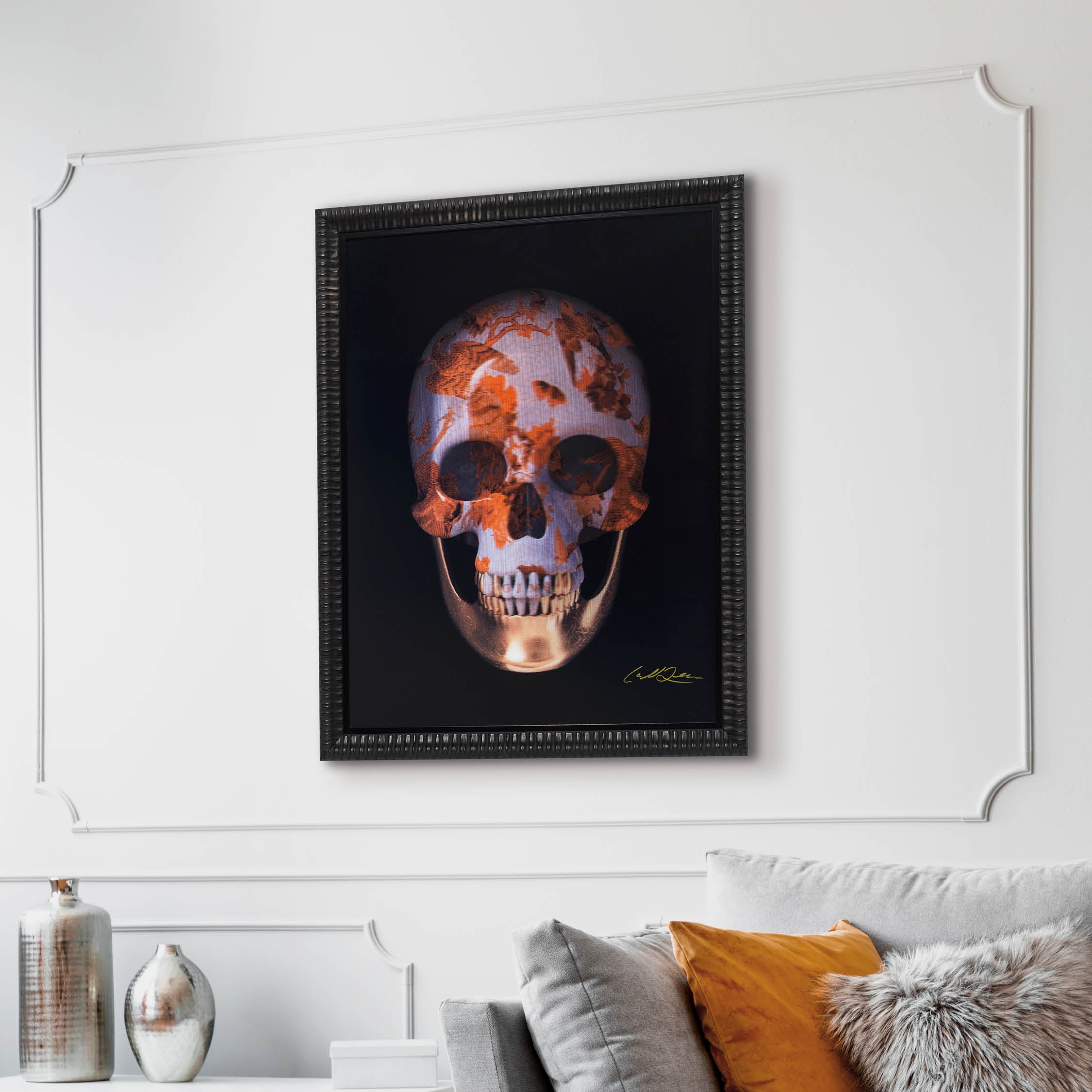
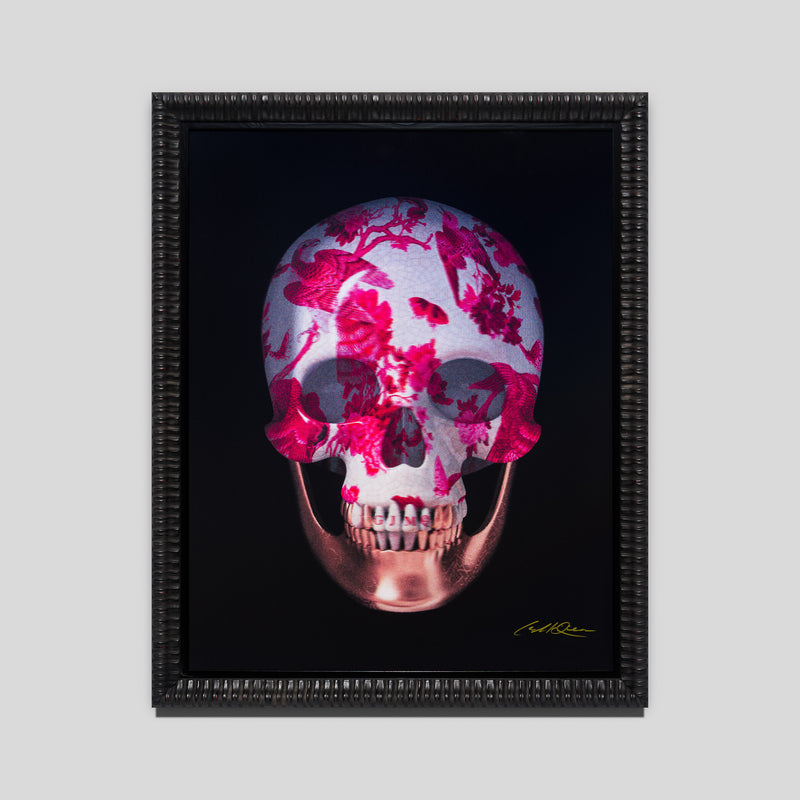
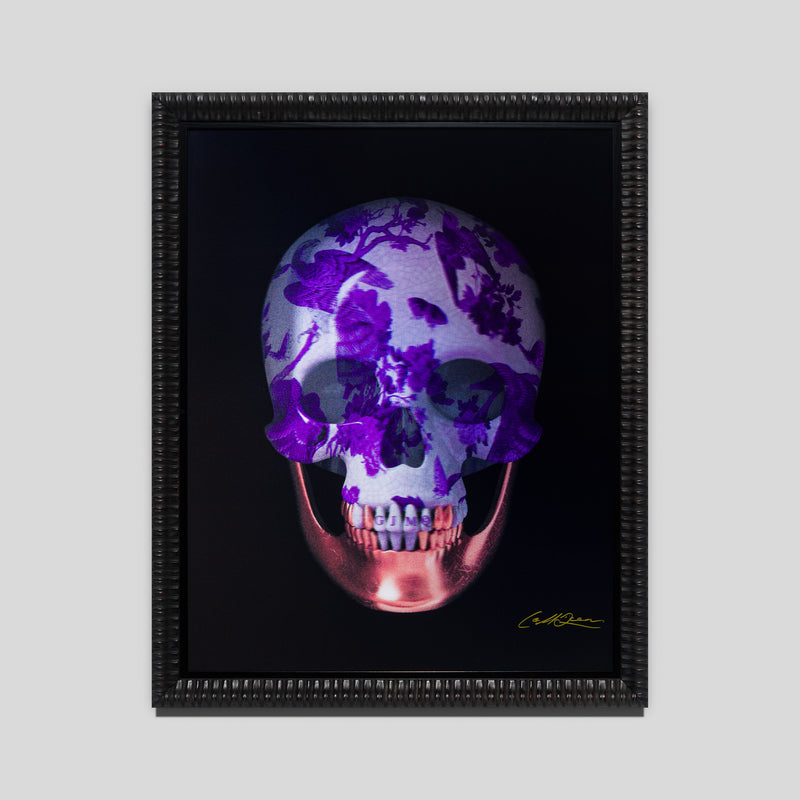
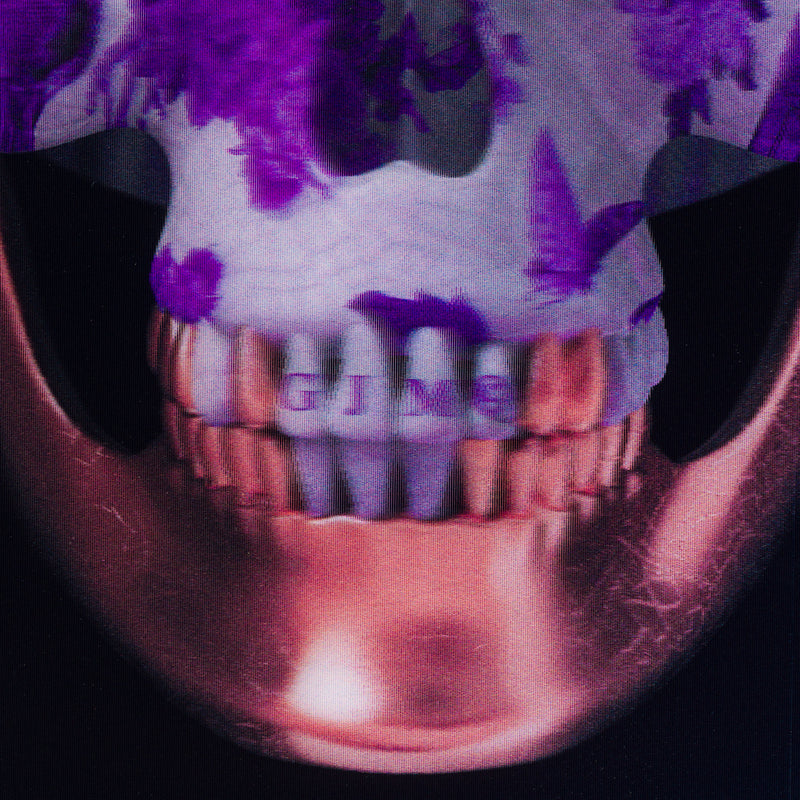
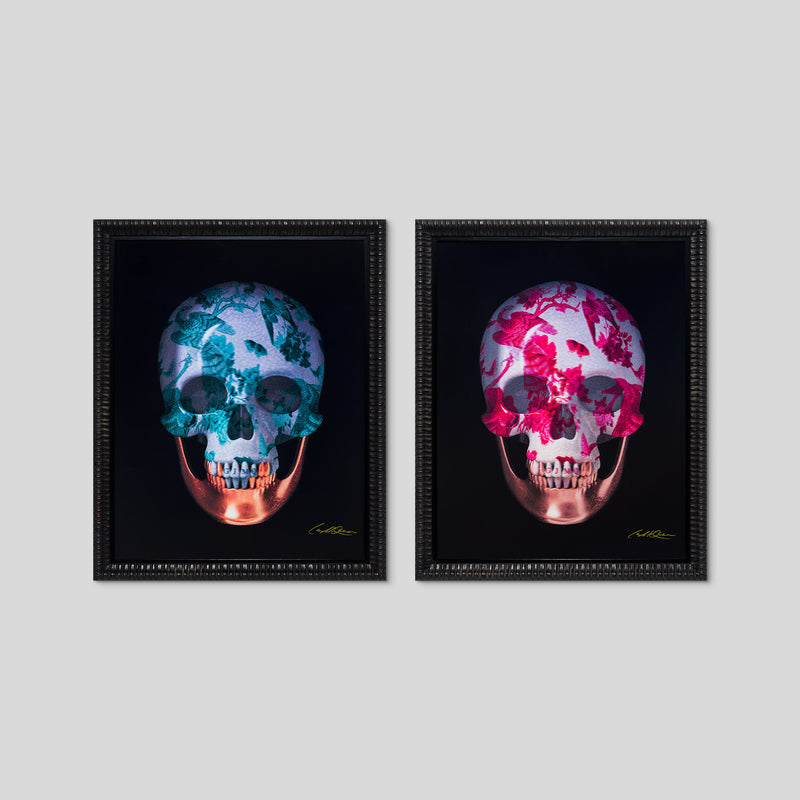
Featured Art: 'Kintsugi | Violet' and 'Kintsugi | Fuchsia' by Gary James McQueen.
A Brief History of Kintsugi
By combining the ancient Urushi lacquer craft, which involved using the sap from the urushi tree to coat and protect wooden objects, with Maki-e – a lacquerware technique involving fine metal powders – kintsugi was born.
As tea culture continued to flourish into the 16th century, the ritualistic wabi-cha (humble tea) gatherings championed simplicity and impermanence, birthing the wabi-sabi aesthetic and the evolution of kintsugi as a decorative art and deliberate design choice.
Over time, collectors grew so enamoured with kintsugi’s philosophy that some are said to have deliberately shattered perfect ceramics just to watch them reborn in gold. This paradox, destroying to create, echoed across Japanese art, influencing lacquerware, painting and even garden design, as trends for controlled crackling in painting and moss-filled fissures in garden stones began to emerge.

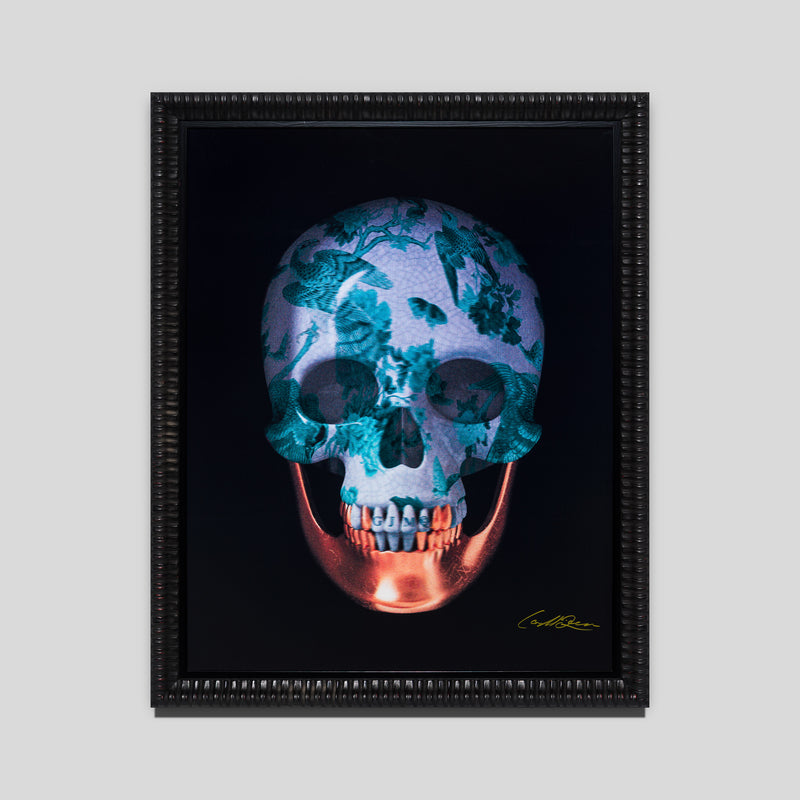
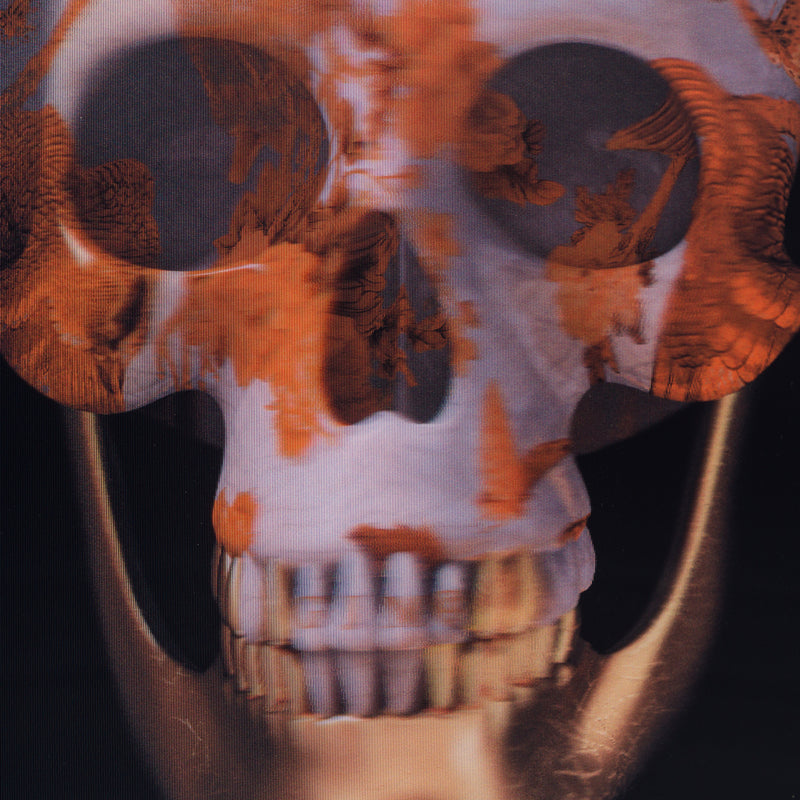
Featured Art: 'Kintsugi Skull Japanese Porcelain' by Gary James McQueen.
Kintsugi Culture
Today, the influence of kintsugi’s golden fractures extends far beyond pottery.
In fashion, designers are patchworking fabrics with metallic threads, applying ‘kintsugi prints’ to garments, and crafting jewellery that mimics lacquer-and-gold repairs. Architects have introduced gilded seams in building facades and joinery, whilst interior designers are using kintsugi-style patterns on ceramics, textiles and wallpapers.
And it’s not just the visual influence of kintsugi that can be felt in today’s culture. We see public figures, like women’s health campaigner Louise Thompson, talk about cherishing scars as signs of strength, as the philosophical significance of kintsugi permeates contemporary art in many forms.
In her 2023 song ‘Kintsugi’, singer-songwriter Lana Del Rey sings about family members who've passed away and how she was able to work through her grief. Many artists similarly see kintsugi as an outlet for storytelling, including 3D sculptor Gary James McQueen.
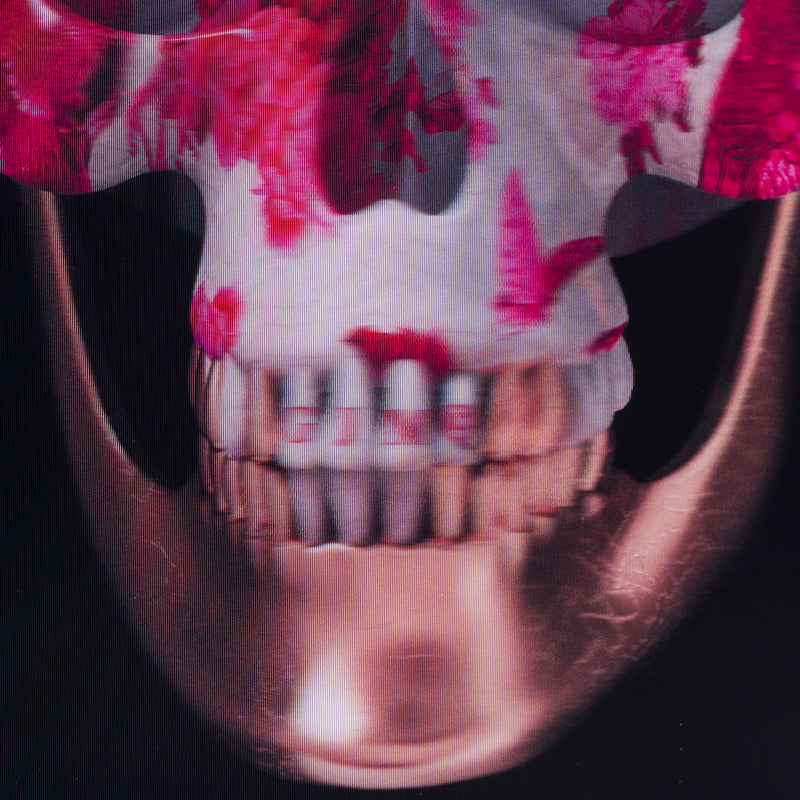
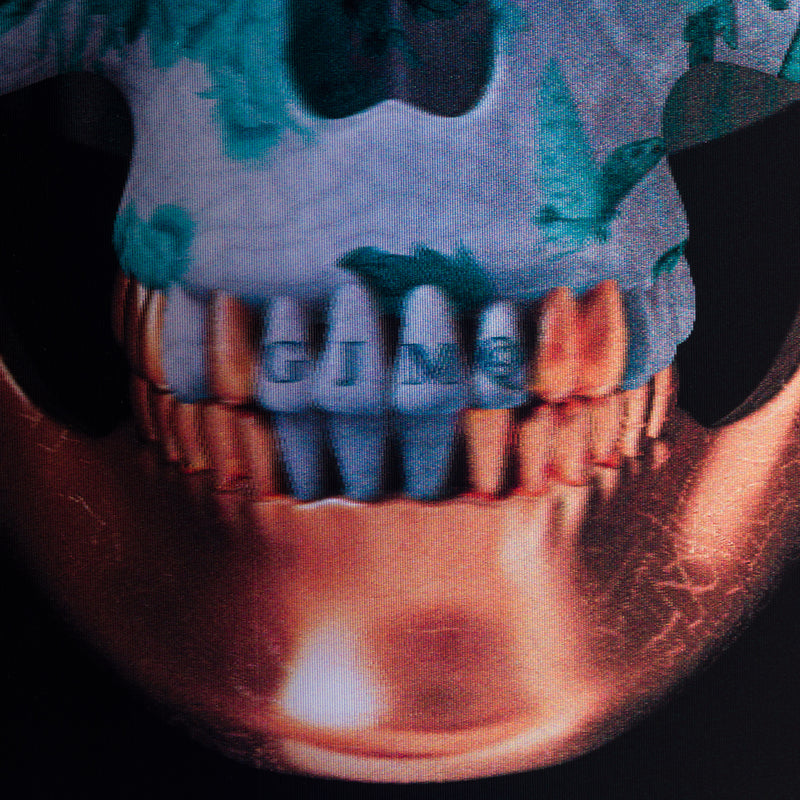
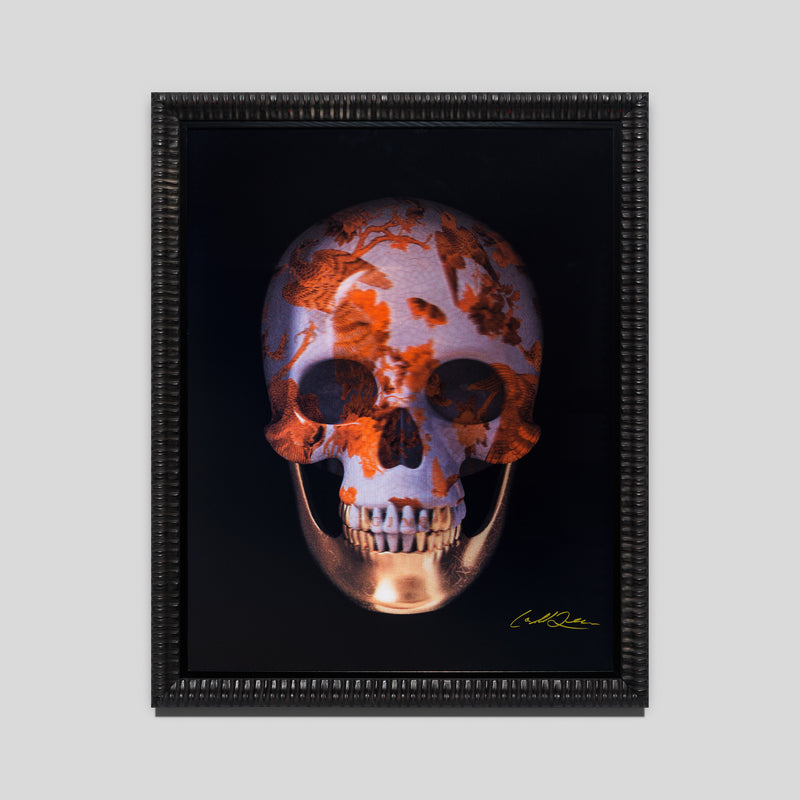
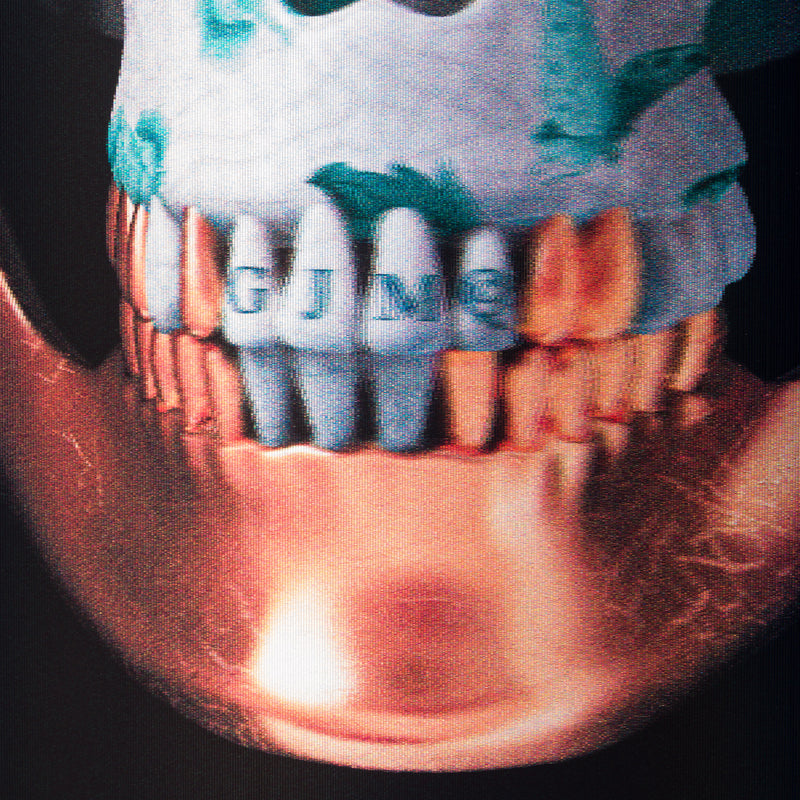
In his series The Kintsugi Collection, he showcases a kintsugi-inspired skull in rich tones of teal, fuchsia, orange and violet, presenting them as lenticular artworks that create the illusion of depth. Reflective of the artist’s personal proverb, ‘Life isn’t always beautiful, and that’s the beauty of life’, this collection beautifully captures the transcendent philosophy of kintsugi.
Watch Gary James McQueen speak about why kintsugi inspired the collection: